
Overview of the Trading System in Suikoden I & II HD Remaster
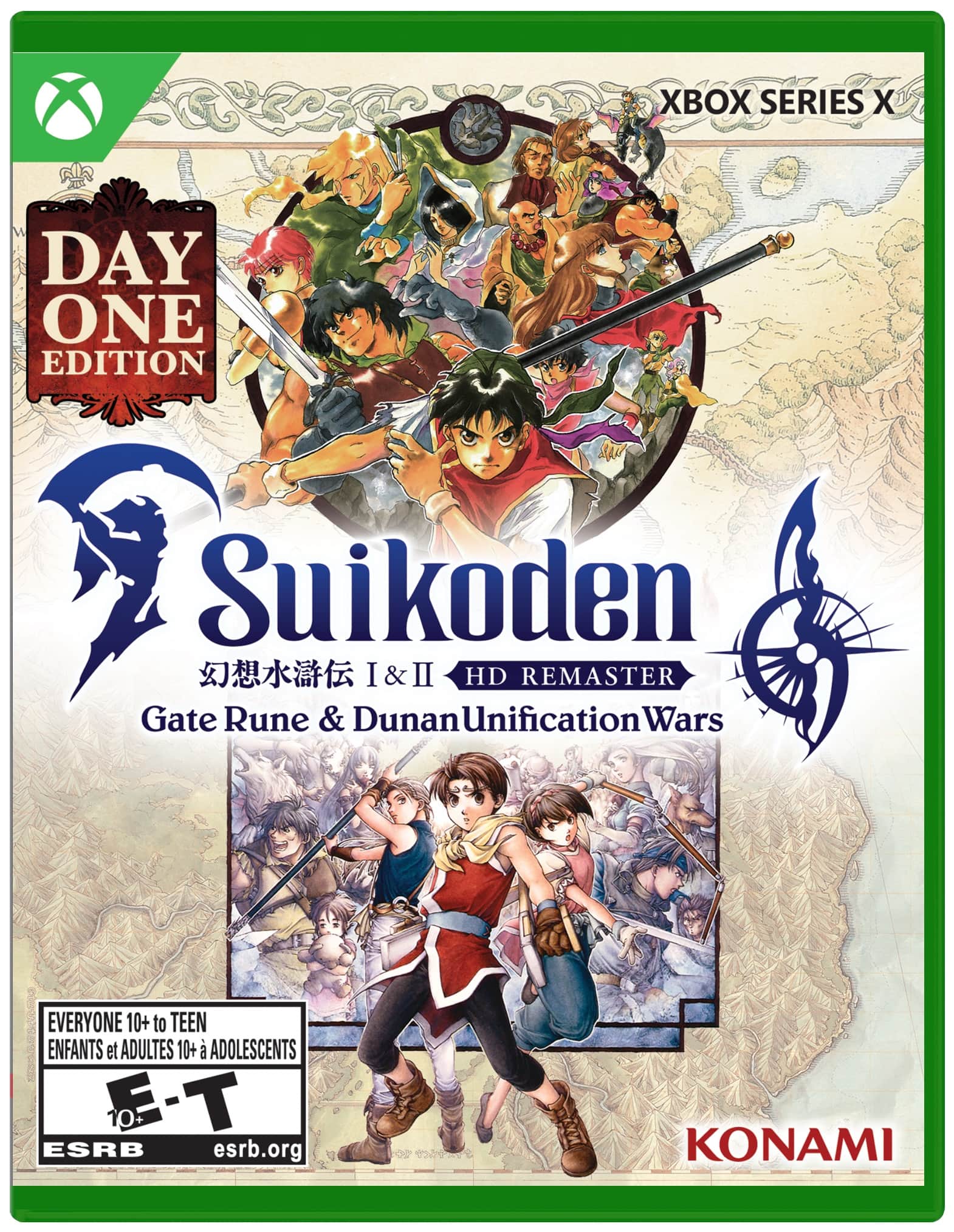
The trading system in Suikoden I & II HD Remaster is an engaging feature that allows players to buy and sell items across various Trading Posts and Trade Shops found throughout the game world. This system not only adds depth to the gameplay but also enables strategic planning to maximize profits and acquire rare items. Here’s a detailed guide on how to navigate this system effectively.
—
Key Points for Trading
1. Location-Based Prices:
– Prices of items vary significantly between locations. This creates opportunities for profit by buying items in one place and selling them in another where demand is higher. Understanding these price differences is essential for successful trading.
2. Inventory Management:
– Both Suikoden I and II impose limits on the number of items you can carry. It’s crucial to manage your inventory wisely, ensuring that you’re not holding onto items that won’t yield a good return. Organize your items to prioritize those that are in high demand.
3. Time Resets:
– In Suikoden II, inventories at Trading Posts reset every 30 minutes. This reset mechanic allows players to revisit shops for fresh stock, providing continuous opportunities for trading.
—
Best Practices for Acquiring Rare Items
1. Identify Profitable Routes:
– Trading Examples:
– In Suikoden II, it is profitable to buy Crystal Balls and Mayonnaise from South Window and sell them to Kobold Village.
– Conversely, Ancient Texts can be bought from Kobold Village and sold at Forest Village for a good profit.
– Other items such as Rock Salt, Wool, or Cotton should be tracked as they can also fetch substantial returns when traded in different locations.
2. Monitor Stock Levels:
– Be aware of the “stock high” and “stock low” statuses of items in Trade Shops. High stock usually means lower prices, while low stock can lead to inflated prices. Timing your purchases based on these stock conditions can enhance your profit margins.
3. Explore All Locations:
– Certain trade locations like Chinchirorin become accessible only as you progress through the game. Make sure to explore all areas, as new locations can offer unique items that are not available elsewhere, creating additional trade opportunities.
4. Save Frequently:
– Trading can sometimes lead to significant changes in your inventory and resources. Save your game regularly to safeguard against errors or unexpected changes that could impact your trading strategy.
—
Tips for Rare Items Acquisition
– Focus on High-Demand Items:
– Certain items see higher value based on regional demand. Keep a lookout for those that tend to sell for a greater profit in specific locales.
– Experiment with Different Trades:
– Don’t hesitate to mix up your strategies. Trying out various trades can yield unique insights into which routes are the most beneficial.
– Utilize Inventory Management:
– With limited inventory space, prioritize carrying items that promise higher returns. Avoid holding onto less profitable items that could otherwise take up precious space.
—
Conclusion
Mastering the trading system in Suikoden I & II HD Remaster can greatly enhance your gaming experience. By understanding location-specific prices, managing your inventory strategically, and identifying profitable routes, you can optimize your trade operations. Despite the system’s complexities, exploiting these features can lead to significant gains and rare item acquisitions, ultimately enriching your adventure in the game. Happy trading!




Leave a Reply