
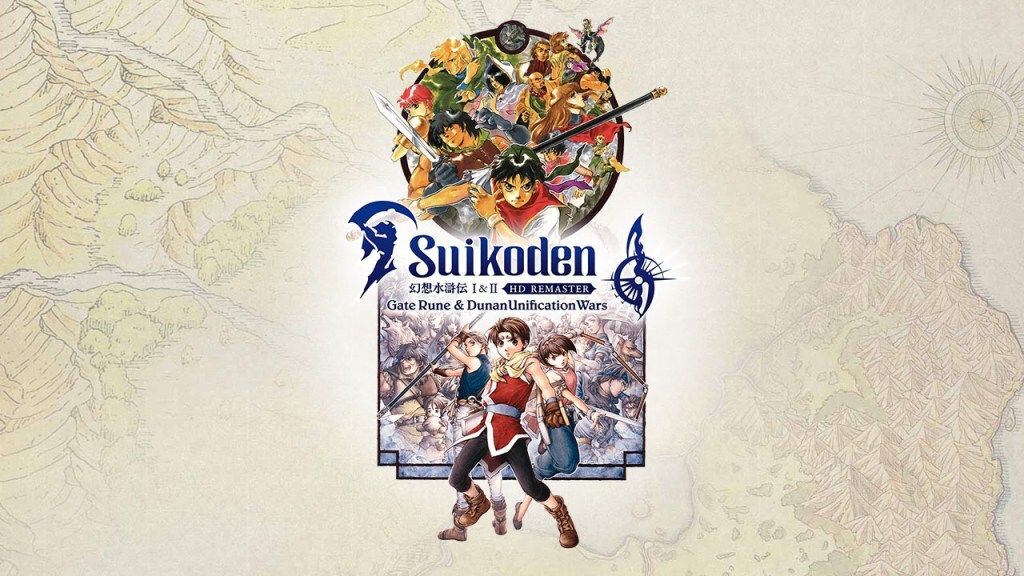
The Suikoden I & II HD Remaster presents a notable evolution of the classic games, enhancing both audiovisual quality and overall gameplay experience. Below is a detailed breakdown of the changes and improvements introduced in the remastered versions.
Audiovisual Enhancements
Graphics Overhaul:
– Enhanced Visual Fidelity: Both Suikoden I and II have undergone significant graphical overhauls, incorporating enhanced lighting effects, improved water visuals, and additional 3D elements. Environmental overlays contribute to a more immersive atmosphere, with both games now supporting HD resolution and widescreen displays.
– Comparative Graphics: Despite these enhancements, Suikoden I exhibits a more basic graphic style, with certain areas appearing less detailed and somewhat sterile compared to the richer visuals found in Suikoden II, which features more complex graphical upgrades and detailed environmental effects.
Audio Improvements:
– Upgraded Audio Quality: The remaster delivers clearer audio, enhancing the overall sound experience without altering the original soundtrack. The remastered audio design places greater emphasis on environmental sounds and exploration elements, contributing to a more engaging ambiance.
UI and Playability Adjustments
User Interface Changes:
– Revamped UI: The user interface for combat and menus has been redesigned to provide a cleaner, sleeker aesthetic, enhancing user experience.
Difficulty Levels:
– Multiple Difficulty Settings: Players can now choose between easy, normal, and hard difficulty levels. This flexibility enhances accessibility, although the hard mode must be selected at the beginning of the game, which applies to the entire playthrough.
Conversation Log:
– Enhanced Dialogue Access: A new conversation log feature allows players to scroll back through recent dialogues. This improvement is particularly beneficial for retaining key information, making navigation through story elements smoother.
Content and Script Changes
Expanded Dialogue Boxes:
– Increased Box Size: The remaster introduces larger dialogue boxes, allowing for more extensive translations that align more closely with the Japanese script. However, some players may find that this expansion leads to a more generic tone that lacks the unique charm of the originals.
Script Differences:
– Altered Dialogues: Several lines of dialogue have been modified for improved clarity and readability. While this enhances understanding, it may also dilute some of the original idiosyncratic charm that fans cherished.
Game-Specific Differences
Suikoden I:
– The first game retains more of its original graphical simplicity, with certain areas appearing less detailed than its sequel. However, it benefits significantly from quality-of-life improvements such as the conversation log and added difficulty options.
Suikoden II:
– The sequel stands out with more pronounced graphical enhancements, including sophisticated environmental effects like realistic water physics and advanced shadowing techniques. Additionally, it benefits from the remastered UI and audio enhancements, creating a more polished experience.
Conclusion
In summary, the Suikoden I & II HD Remaster successfully revitalizes both games, bringing them into a modern context with significant improvements in visual and audio quality. While Suikoden II showcases more dramatic visual upgrades, both titles enjoy enhancements in playability through new features like the conversation log and adjustable difficulty levels. The remaster not only preserves the legacy of these classic titles but revitalizes them for both new players and returning fans alike, offering a balanced blend of nostalgia and modern gaming sensibilities.


Leave a Reply