
In A Plague Tale: Innocence, the behavior of the rat swarms is a key gameplay mechanic, significantly affecting the player’s journey through the game’s rich and atmospheric environments. The interaction between light sources, corpses, and bait objects illustrates an intriguing depiction of rat behavior rooted in both gameplay dynamics and real-world animal tendencies. Here’s a detailed overview of how these elements influence rat activity in the game.
1. Reaction to Fire (Light Sources)
Rats in the game exhibit a strong aversion to light, specifically fire, which serves as a crucial survival mechanism. This behavior manifests in the following ways:
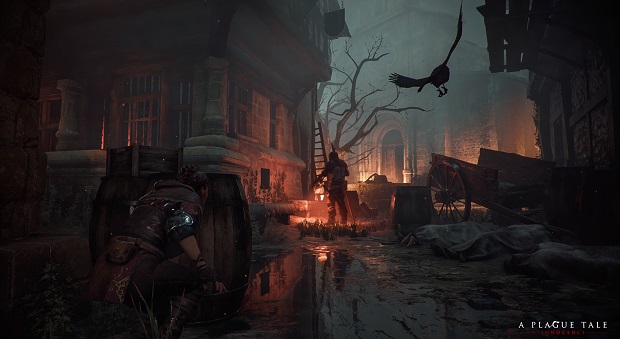
– Light Aversion: Fire, such as that produced by torches or braziers, creates a zone of safety for players, as rats instinctively steer clear of illuminated areas. The avoidance is not limited to immediate proximity to the light—rats demonstrate a broader behavioral pattern that suggests they remain wary of light-illuminated spaces, enhancing the suspenseful dynamics of exploration.
– Strategic Use of Fire: Players leverage this aversion to navigate through rat-infested territories safely. By utilizing torches, players can create safe pathways, illuminating their route while effectively deterring rats. This mechanic is pivotal in promoting strategic thinking as players decide when and where to use light to protect themselves.
2. Reaction to Corpses
While the presence of corpses in the game implies an organic matter that could attract rats, the game does not delve deeply into the specifics of this interaction. Key points include:
– Implied Attractiveness: In real life, the smell of decay is known to attract rats, hinting that organic remains could serve as a lure. However, the game maintains a focus on the core mechanics of light avoidance and bait attraction rather than emphasizing the role of corpses in driving rat behavior.
– Limited Interaction: The absence of detailed interaction with corpses means that players cannot manipulate the rats’ response to them in the same way they do with light sources or bait, maintaining game balance and tension.
3. Reaction to Other Bait Objects
Bait objects are central to how players can interact with rat swarms, facilitating movement and strategy. Their effects include:
– Active Attractants: Players can use various bait objects strategically placed throughout the environment to lure rats away from critical paths. This mechanic allows for engaging gameplay where players must think critically about positioning and timing to direct rat movement.
– Diverse Bait: While specific types of bait, such as food, are not explicitly detailed, the game fundamentally categorizes any object intended to attract rats as viable bait. The use of these objects introduces a tactical layer, enabling players to create diversions or clear paths through areas crowded with rats.
Conclusion
In conclusion, the rat behavior in A Plague Tale: Innocence is predominantly characterized by a strong aversion to light and attraction to bait objects. Players can exploit these instincts to navigate through dangerous environments, enhancing the game’s tension and dynamic storytelling. The mechanics, while rooted in some aspects of real-world rat behavior, prioritize gameplay experience, providing a blend of strategy and survival horror that keeps players on edge throughout their journey.




Leave a Reply