
How to Navigate Stealth Sections in A Way Out
Navigating the stealth sections in A Way Out requires a high level of coordination and communication between players. Below are key strategies and tips to successfully manage these challenges together:
1. Communication is Key
– Effective communication is the backbone of stealth gameplay in A Way Out. One player often has the role of a scout, keeping track of nearby guards. As the other player completes tasks—like chiseling through a wall or unlocking a door—it’s vital that both players maintain constant verbal communication about guard positions, movement patterns, and the best timing for actions. Informing each other of when to pause or make moves is crucial to avoid detection.
2. One Player Scouts or Stands Guard
– While one character focuses on tasks, the other needs to stay vigilant. For instance, as Leo chips away at a wall, Vincent should observe the guards’ patrol patterns and be prepared to create distractions. Players can develop signals—like verbal prompts or specific actions—that indicate when it’s safe to proceed or when to stop. A well-timed signal can save a mission from failure.
3. Coordinated Movement and Timing
– Many stealth sequences require players to work in tandem. This can include timing actions such as pressing buttons together to open doors or synchronizing movement to evade guards. It’s essential to practice coordinated timing, as a slight misstep can alert guards and compromise the stealth effort, leading to potential setbacks.
4. Use Sneaking Mechanics
– Players should maximize stealth mechanics. Utilizing low walls and objects for cover is important. The crouch command—often activated by pressing [Square / X]—allows characters to stay hidden from guards’ line of sight. Players need to move deliberately and avoid running or making noise, staying outside the guards’ sight zones to ensure a smooth passage.
5. Divide and Conquer
– The game encourages players to split responsibilities based on their surroundings. While one player sneaks through a location, the other can create a diversion, drawing guards away from critical paths. Balancing these roles effectively allows both players to progress without heightening the risk of exposure.
6. In-game Examples
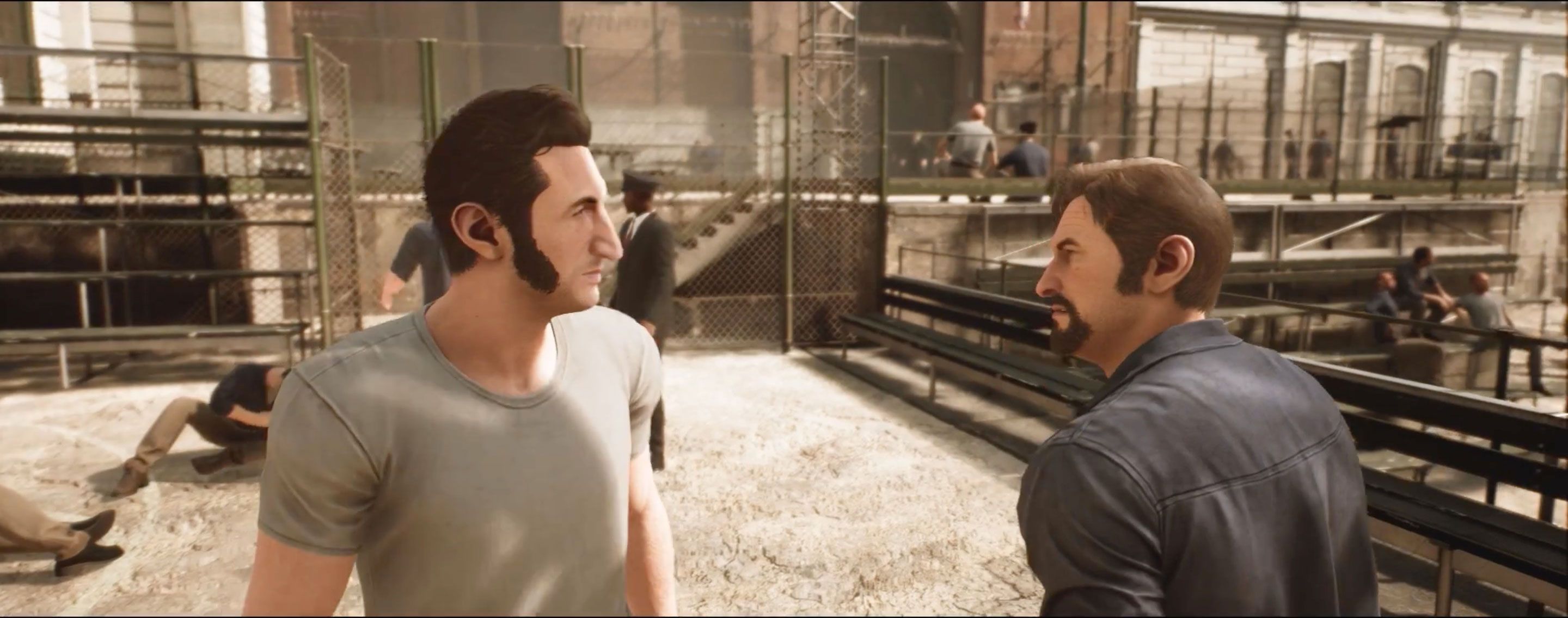
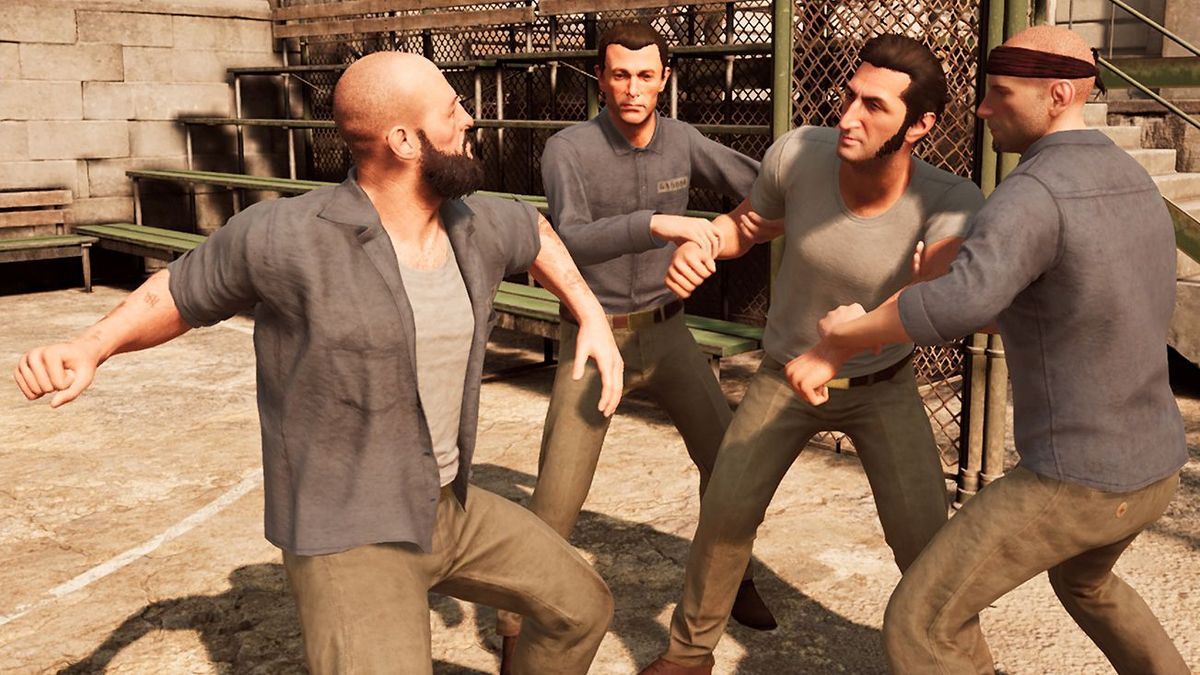
– Early game scenarios illustrate these tactics well. While escaping from prison, Leo might use a flashlight to scout for danger, while Vincent remains cautious, timing their movements to avoid detection. Through these experiences, players can practice coordination and refine communication skills as they navigate through more complex stealth scenarios later in the game.
Conclusion
Successfully maneuvering through the stealth sections in A Way Out hinges on the cooperation of both players. By focusing on communication, strategic scouting, synchronized movements, utilizing sneaking mechanics, and effectively dividing responsibilities, players can stealthily undermine obstacles and advance through the game’s unique cooperative challenges. Mastering these elements not only enhances gameplay experience but also solidifies the bond between players as they work together to overcome difficulties.


Leave a Reply