
In Among Us, visual tasks such as the MedBay scan and Asteroids play a pivotal role in aiding players to verify each other’s innocence. Here’s a deeper exploration into how these tasks function, their significance in gameplay, and the nuances players must consider while attempting to establish trust.
MedBay Scan
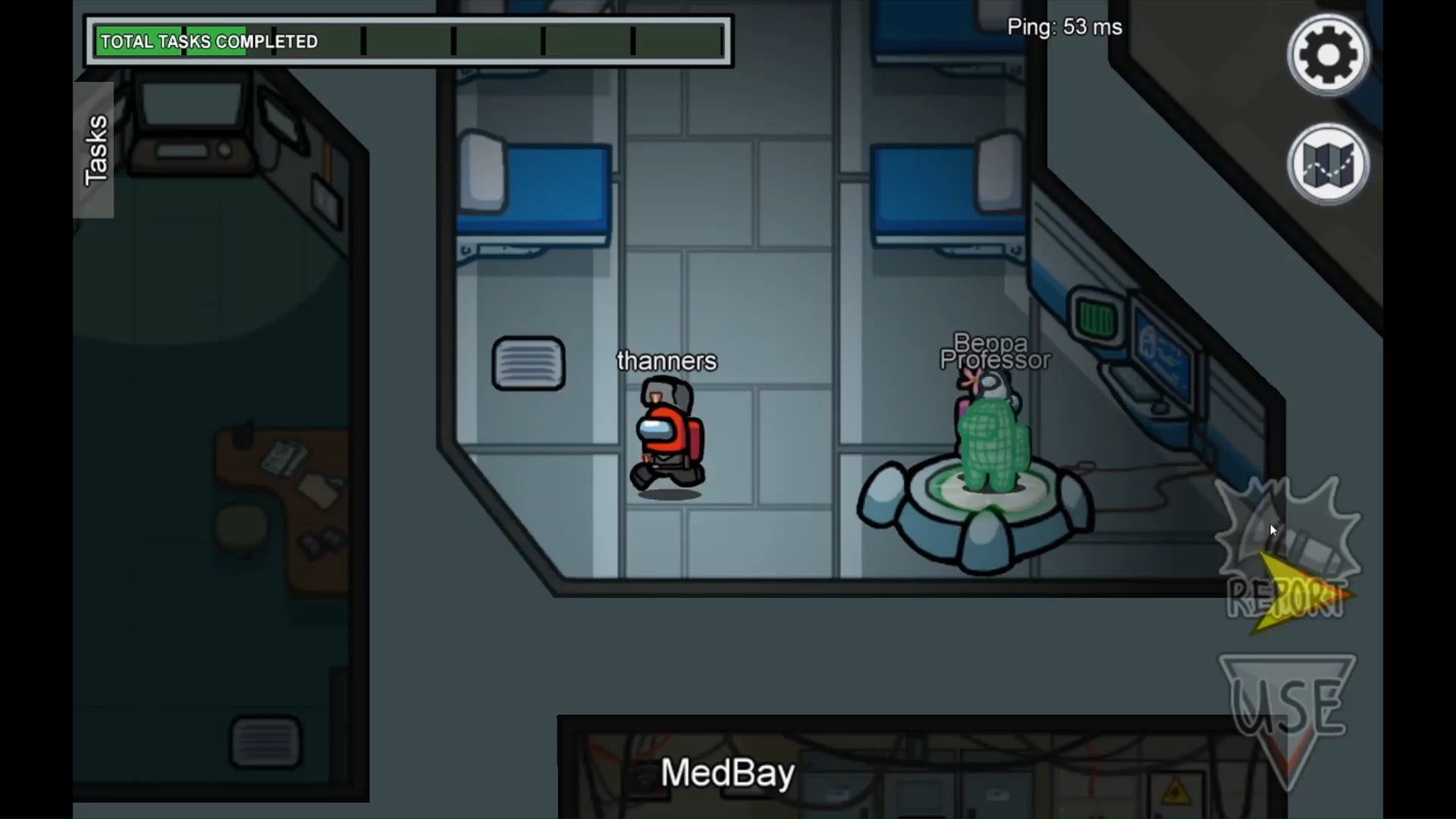
Functionality: The MedBay scan is executed in the MedBay room and requires a player to stand on a specific platform. Once initiated, the scan process lasts around ten seconds and produces a visual animation that is visible to all nearby players. This visual component is crucial for establishing the player’s authenticity.
Implications for Innocence:
– Visibility: The animation of the MedBay scan serves as tangible proof of a player’s engagement with a task. If a player is seen completing this scan by others, it significantly strengthens their claims of being a crewmate since impostors cannot replicate this animation.
– Impostor Limitations: While impostors have the ability to deceitfully claim that they completed a task, they cannot exhibit the MedBay scan animation as part of their strategy. If a player claims to have scanned but does not perform the task when observed, this inconsistency can lead to increased scrutiny and suspicion.
Asteroids
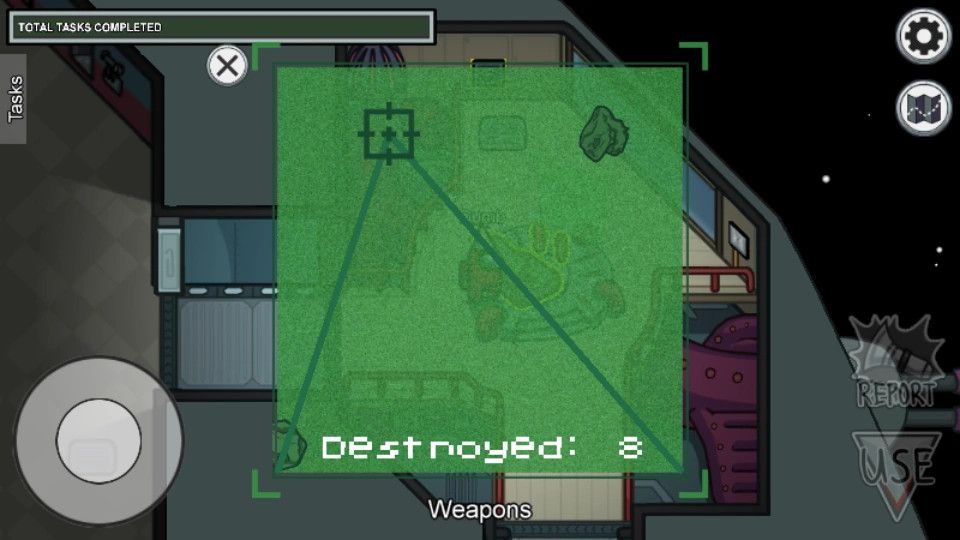
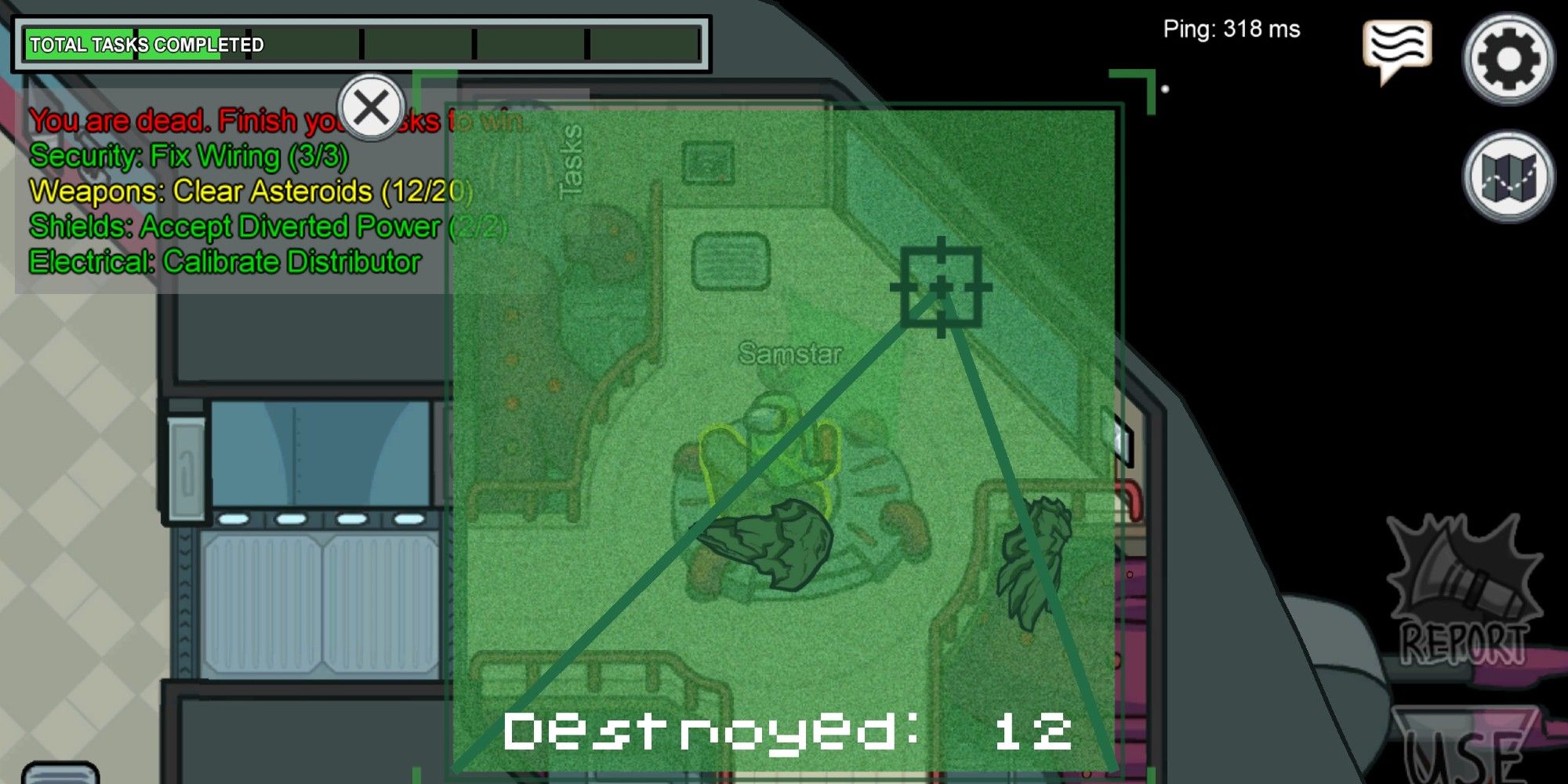
Functionality: The Asteroids task requires players to shoot down incoming asteroids using a laser mechanism. Like the MedBay scan, this task is visually observable, allowing other players to witness the process.
Implications for Innocence:
– Observable Action: The action of shooting asteroids is visible and cannot be faked by impostors. If a player is seen successfully completing this task, it serves as confirmation of their innocence because impostors lack the capability to visually perform the task.
– Task Completion: The act of completing Asteroids bolsters a player’s reputation among their peers, as it indicates they are actively contributing to crewmate objectives. As with the MedBay scan, if an impostor falsely claims to have completed Asteroids, they run the risk of being caught.
Confirming Innocence
Visual tasks are essential for confirming a player’s role within the game, bolstering trust among crewmates. Observing a player complete either the MedBay scan or Asteroids contributes to a collective understanding of who can be trusted; however, players must navigate the following complexities:
– Impostors Can Fake Claims: Although impostors cannot replicate the visuals of tasks, they can still claim to have completed the tasks. This can create confusion and makes it vital for players to corroborate each other’s actions actively.
– Task Completion Does Not Guarantee Innocence: While witnessing the completion of a task strengthens trust, it’s important to remember that it doesn’t serve as an absolute confirmation of innocence. Impostors can manipulate discussions and mislead players regarding task completion.
Conclusion
Visual tasks in Among Us, such as the MedBay scan and Asteroids, provide significant, albeit not definitive, evidence of a player’s innocence. They facilitate a dynamic environment where crewmates must strategically weigh the observations they make and the claims presented by others. Players should utilize visual tasks as a tool for verification while remaining alert to the nuances of deception inherent in the game’s mechanics. Ultimately, the successful navigation of trust and suspicion is key to achieving victory in Among Us.


Leave a Reply