
Overview of Naval Battles in Anno 1800
In Anno 1800, naval battles play an essential role in shaping the dynamics of warfare and resource management. They not only influence territorial control but also the trade routes that are critical to a thriving economy. Successfully navigating these engagements requires understanding the mechanics of naval warfare and strategically managing your resources.
Key Aspects of Naval Warfare
– Significance of Sea Warfare: Control over the seas can determine the outcome of conflicts. Commanding the waters allows for the disruption of enemy trade routes, which can critically weaken an opponent’s economy and overall war capacity[2].
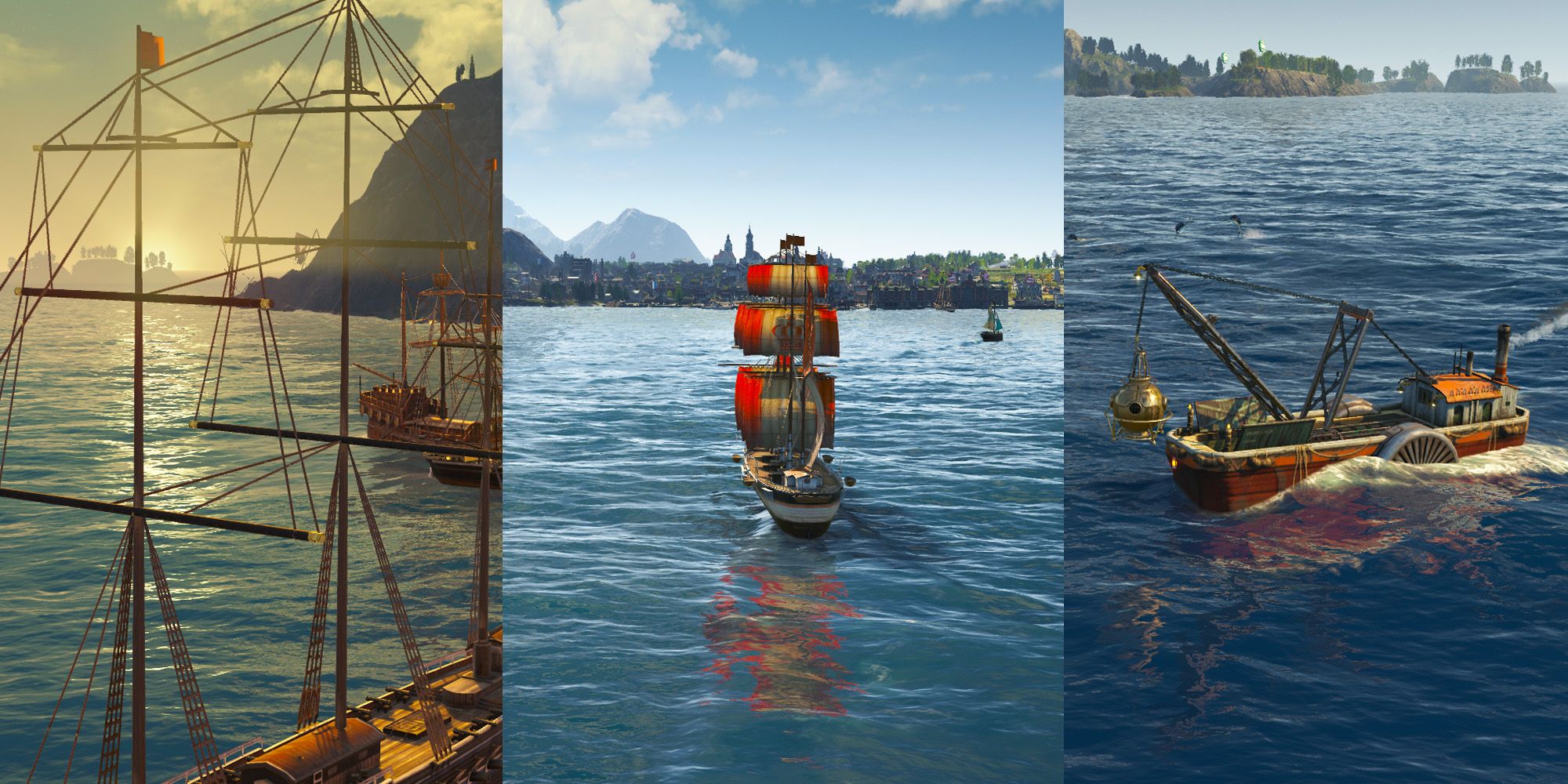
– Types of Ships: The game includes a variety of vessels, most notably sailing ships and steam-powered vessels. Sailing ships are heavily influenced by wind conditions, making them tactical in nature, while steam ships offer reliability with consistent speed and maneuverability[5].
Strategies for Effective Naval Battles
1. Utilizing Wind with Sailing Ships
– Wind Advantage: Maneuvering your sailing vessels to take advantage of favorable wind conditions can provide a crucial speed boost. Properly positioned ships can use the wind to outpace and outmaneuver opponents, gaining an edge in engagements[5].
– Wind Disadvantage: Conversely, adverse wind conditions can significantly slow down sailing ships, making them vulnerable. Being aware of wind direction and speed is critical in planning maneuvers[5].
2. Leveraging Steam-Powered Vessels
– Consistency and Reliability: Steam ships are unaffected by wind, allowing for stable operation under varying conditions. This advantage enables sustained engagements and the ability to pursue fleeing adversaries effectively[5].
– Caution against Tactics: Despite their reliability, steam ships can still be tactically outmaneuvered by skilled opponents using sailing vessels that exploit wind changes[5].
3. Tactical Positioning and Maneuvers
– Flanking: Use sailing ships to execute flanking maneuvers. Position them to attack from the sides or rear—these areas are usually less protected, increasing the likelihood of inflicting significant damage[3].
– Blocking Escapes: Employ faster steam vessels to create barriers, cutting off escape routes for enemy ships. This approach can trap foes between your sailing and steam ships, maximizing destruction[3].
4. Item and Resource Management
– Ship Upgrades: Continuously upgrade your fleet to enhance speed, firepower, and durability. For sailing ships, improvements to sails can enhance their performance, while steam ships benefit from better engines[3].
– Resource Allocation: Ensure a steady supply of critical resources like coal or oil to keep your steam ships operational during longer conflicts. Neglecting resource management can hinder your naval strategy[3].
5. Harassment and Deception Tactics
– Disrupt Trade: Utilize faster, agile ships to target enemy trade routes, disrupting their supply lines and economically incapacitating adversaries. Success in these skirmishes can shift overall power dynamics[2].
– Ambushes: Plan surprise raids on enemy ports or patrol paths. Catching an opponent off-guard can weaken their naval presence and instigate panic, providing a tactical advantage[2].
General Tips for Naval Domination
– Adaptability: An effective commander must remain flexible, adjusting strategies based on changes in wind conditions and enemy ship compositions. The fluid nature of naval warfare necessitates quick thinking and responsive tactics[4].
– Diverse Fleet Composition: Maintaining a balanced fleet with both sailing and steam vessels allows you to adapt your strategy to suit different scenarios and capitalize on your enemies’ vulnerabilities[5].
Incorporating these strategies into your gameplay can significantly enhance your performance in naval warfare. By becoming adept at managing the intricacies of sea engagement, you can establish dominance over the waters of Anno 1800, ultimately securing your position as a formidable naval power.



Leave a Reply