
Building and operating electricity networks in Anno 1800 is vital for increasing the productivity and efficiency of your production buildings. An effective electricity network can transform your city’s industrial capabilities, allowing for smoother and more efficient operations. Here’s a comprehensive step-by-step guide to help you set up and manage electricity networks effectively.
Step 1: Accessing Electricity
Unlocking Electricity
– Progress Through the Game: Electricity becomes available when you reach a specific level of technological advancement in the game. This typically involves progressing in the main campaign or fulfilling certain quests and milestones.
– Oil Requirement: You will need to secure oil, which is sourced from oil springs. Establishing oil refineries near these oil springs is crucial for the production of essential oil products, including diesel oil, which serves as fuel for power plants.
Step 2: Building Electricity Infrastructure
1. Oil Refineries
– Strategic Placement: Position your oil refineries close to oil springs to efficiently produce oil products.
– Transportation Links: Ensure that your refineries are connected to an adequate oil storage system, using railroads or other transportation methods to facilitate the smooth distribution of oil products to power plants.
2. Power Plants
– Construction: Build power plants where they can be most beneficial, ideally near major industrial zones to minimize electricity loss during distribution.
– Fuel Requirements: Keep in mind that your power plants will require diesel oil to operate, so ensure continuous supply from your refineries.
3. Electricity Distribution
– Electricity Pylons: Utilize electricity pylons to establish a reliable grid that will distribute electricity from your power plants to all connected production buildings.
– Grid Connectivity: Confirm that all production buildings are connected to the electricity grid to allow them to tap into the benefits of electricity, enhancing efficiency.
Step 3: Optimizing Electricity Distribution
– Efficient Layout
– City Planning: Plan your city layout carefully to shorten the distances between your power plants and production facilities. A compact layout aids in reducing energy loss and transportation time.
– Pylon Network: Create a well-structured network of electricity pylons that ensures even distribution of electricity across all industrial zones, avoiding gaps in coverage.
– Railroad Integration
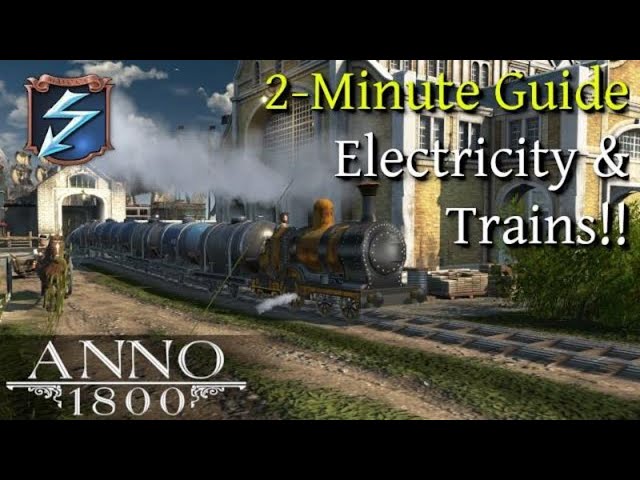
– Transportation Efficiency: Implement railroads for the effective transport of oil products from the refineries to the power plants. Designing parallel tracks can minimize congestion and enhance the overall logistics of your city.
Step 4: Managing Electricity and Production
– Production Building Efficiency
– Prioritize Connections: Focus on connecting vital production buildings to the electricity grid, as only these buildings will benefit from the enhanced efficiency electricity brings.
– Critical Facilities: Make sure that your key production facilities remain consistently connected to electricity to sustain high productivity levels.
– Resource Management
– Oil Balance: Maintain a careful balance between oil production and electricity consumption. Monitoring your oil reserves and power plant needs is essential to avoid power shortages.
Step 5: Troubleshooting and Expansion
– Monitoring Your Network
– Regular Checks: Periodically inspect your electricity network for any inconsistencies or issues that may disrupt service. Look out for bottlenecks or inefficiencies.
– Network Expansion and Upgrades
– Scalability: As your city and production needs grow, be ready to expand your electricity network. This could involve constructing additional power plants, refineries, or extending your grid with more electricity pylons.
– Upgrades: Consider upgrading your existing facilities to increase their capacity; this is especially important as your industrial output demands rise.
Conclusion
By adhering to this structured guide, you will be well-equipped to build and manage electricity networks in Anno 1800. Such an infrastructure not only enhances the efficiency and productivity of your industrial operations but also supports the sustainable growth of your city. Proper planning, resource management, and regular monitoring will ensure your electricity network operates smoothly, contributing to your overall success in the game.

Leave a Reply