
Baba Is You: Detailed Breakdown of Rule Manipulation
I. Core Gameplay Mechanics
Baba Is You introduces a novel gameplay experience built around the manipulation of rules that govern each level. The player must strategically alter these rules to progress through puzzles, utilizing the game’s foundational mechanics to creatively solve challenges and unlock new paths.
—
II. How Rule Manipulation Works
1. Rule Blocks and Their Composition
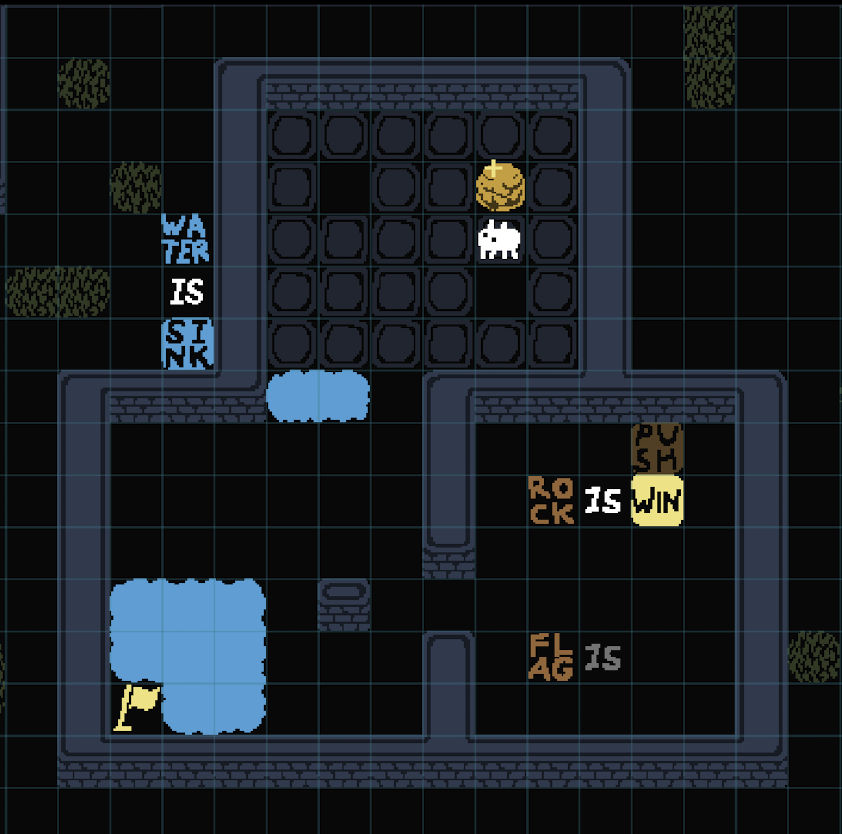
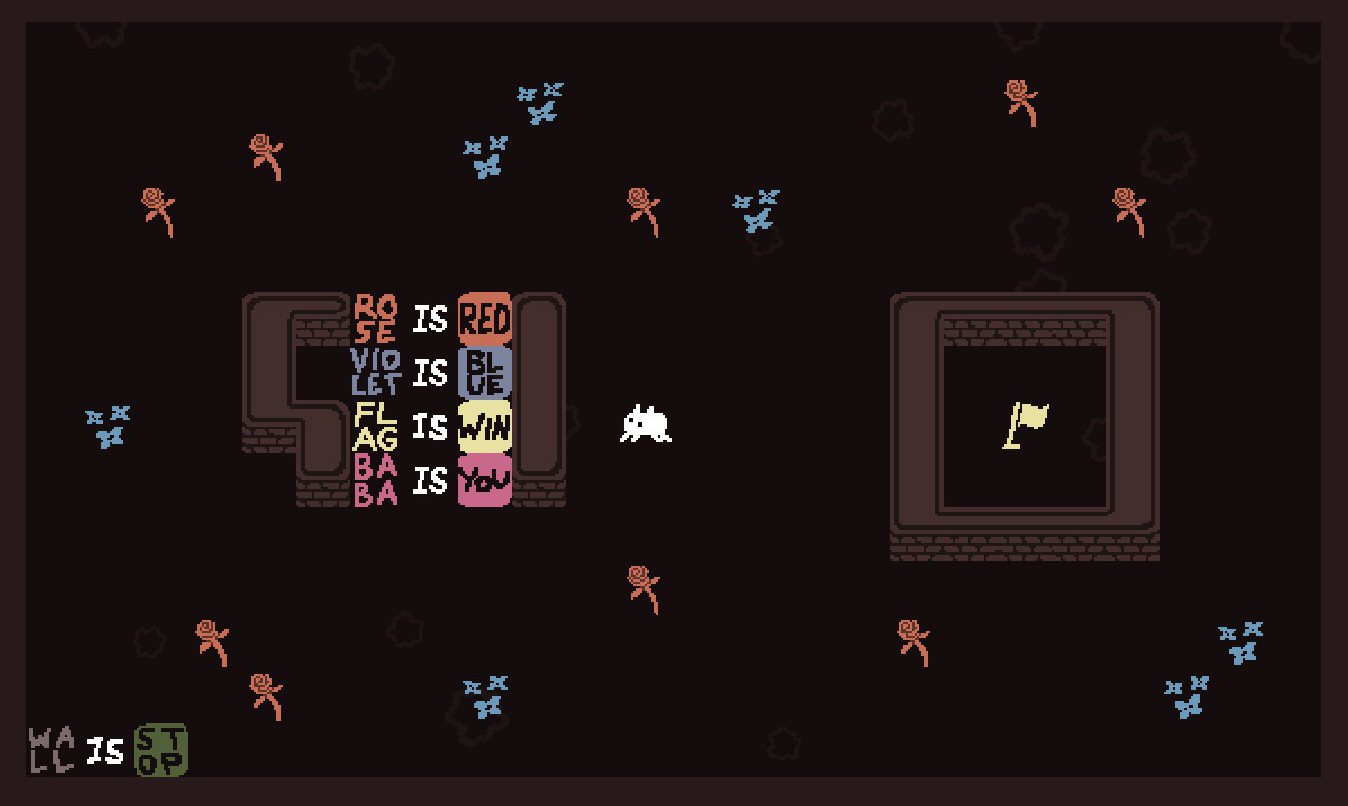
– Physical Representation: Rule blocks are tangible items in the game, forming sentences that define gameplay mechanics, such as “BABA IS YOU,” “FLAG IS WIN,” or “WALL IS PUSH.”
– Rewriting Rules: Players can rearrange these blocks to alter the game’s conditions. For instance, changing “BABA IS YOU” to “WALL IS YOU” transforms the controlled character from Baba to a wall, shifting the player’s interaction paradigm entirely.
– Simultaneous Rules: A level can feature multiple active rules, allowing complex interactions. For example, both “BABA IS YOU” and “FLAG IS YOU” could be in play, permitting control over multiple entities at once.
2. Types of Rule Manipulations
– Changing the Controlled Object:
– Example: By aligning the blocks to form “WALL IS YOU,” the player gains control over walls, which can be pivotal for bypassing barriers or navigating different areas.
– Multiple Controls: Players can define several entities as “YOU,” enhancing puzzle-solving capabilities by allowing shifts in focus during complex challenges.
– Altering Object Interactions:
– Example: Setting “WALL IS STOP” renders walls impassable, whereas changing it to “WALL IS MOVE” enables movement and interaction with the walls.
– Core Properties: Attributes like “PUSH,” “STOP,” “DEFEAT,” and “WIN” can be freely assigned to various objects, impacting how players interact with them.
– Modifying Win Conditions:
– Example: If “FLAG IS WIN” is changed to “ROCK IS WIN,” reaching the rock instead of the flag will complete the level. Removing “IS WIN” altogether eliminates the win condition, showcasing dynamic gameplay adaptability.
– Strategic Repositioning: Players can redefine objectives mid-level, allowing for unexpected strategies and creative solutions.
—
III. Advanced Techniques
1. Stacking Rules and Overrides:
– Rule Priority: The game allows for multiple truths, enabling the player to switch control between different objects as necessary, fostering strategic movement between “BABA IS YOU” and “WALL IS YOU.”
– Temporary Modifications: Players can create temporary rules to navigate a puzzle, with the option to revert or alter those rules for subsequent challenges.
2. Physics of Objects and Rule Blocks:
– Rule Blocks as Tools: Rule blocks not only establish rules but also function as obstacles or aids in the level design, providing additional layers for puzzle-solving.
– Manipulative Movement: Achieving certain objectives may require careful manipulation and positioning of rule blocks, adding further complexity to gameplay.
—
IV. Summary Table: Common Rule Manipulations
| Original Rule | New Rule | Effect |
|———————|——————–|———————————————————|
| BABA IS YOU | WALL IS YOU | Control shifts to the wall instead of Baba |
| WALL IS STOP | WALL IS PUSH | Players can now move the wall |
| FLAG IS WIN | ROCK IS WIN | Changing the win condition to the rock |
| BABA IS YOU | BABA IS DEFEAT | Colliding with Baba results in game loss |
—
V. Key Takeaways
– Fluidity of Rules: The game’s mechanics allow players to adaptively change every aspect of interaction—from which objects they control to the conditions for winning.
– Encouraging Creativity: Baba Is You fosters a mindset of experimentation and lateral thinking; traditional solutions do not always apply, pushing players toward innovative problem-solving.
– Depth of Interaction: With rule blocks being dual-functioning as both rules and physical entities, the game constructs a layered, engaging puzzle experience that continuously evolves.
Baba Is You’s unique methodology in rule manipulation provides an intellectually stimulating and enriching gaming experience, standing out in the puzzle genre for its encouragement of unconventional thinking and dynamic strategy development.



Leave a Reply