
In the puzzle game Baba Is You, the primary mechanic revolves around manipulating text blocks, which embody the game’s core rules and logic. Players can push these blocks to create or modify rules that dictate how game elements interact, effectively programming the game universe in real time.
How Pushing Text Blocks Works
Forming and Breaking Rules
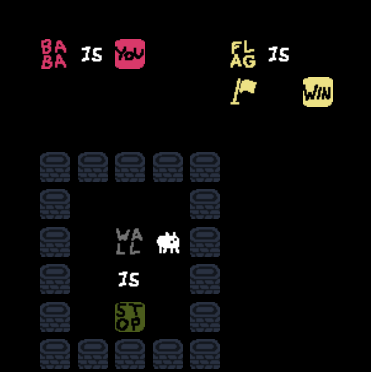
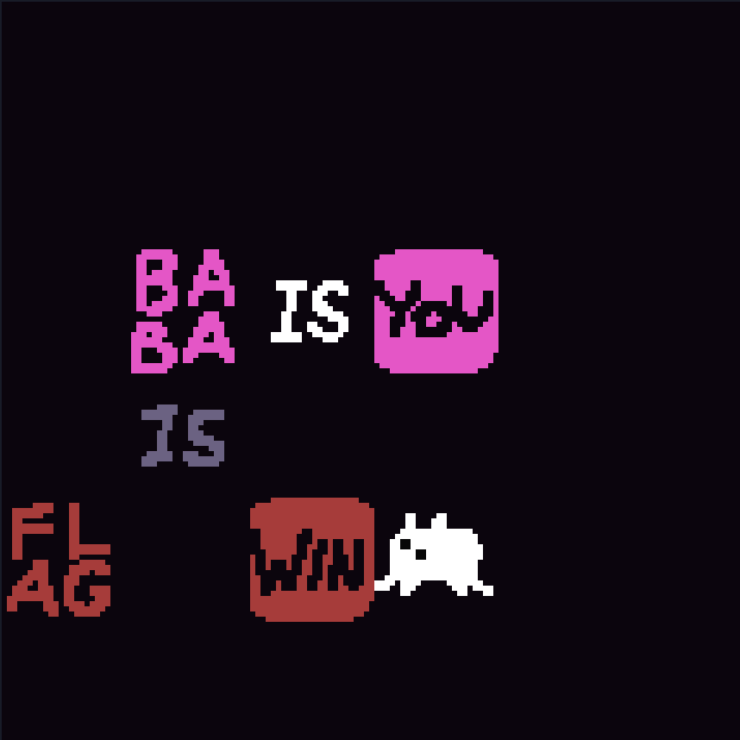
– Creating New Rules: Players can alter existing rules by rearranging text blocks. For instance, if the blocks read “BABA IS YOU,” pushing “IS” next to “ROCK” to form “ROCK IS YOU” transfers control of the rock from Baba, allowing players to manipulate a different character.
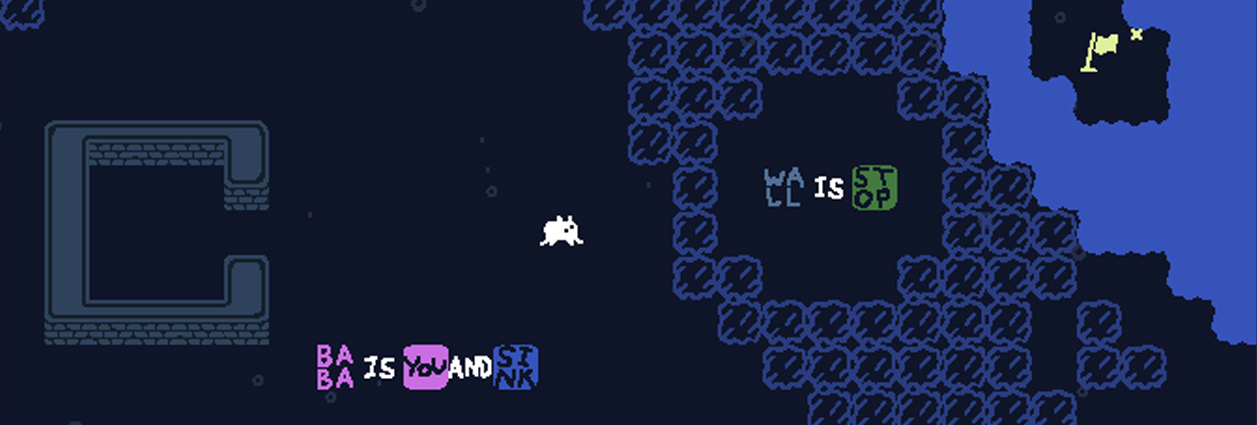
– Breaking Existing Rules: By separating components of a rule, you can eliminate its effect. Moving components of “WALL IS STOP” allows you to pass through walls, fundamentally altering level navigation.
Physical Interaction
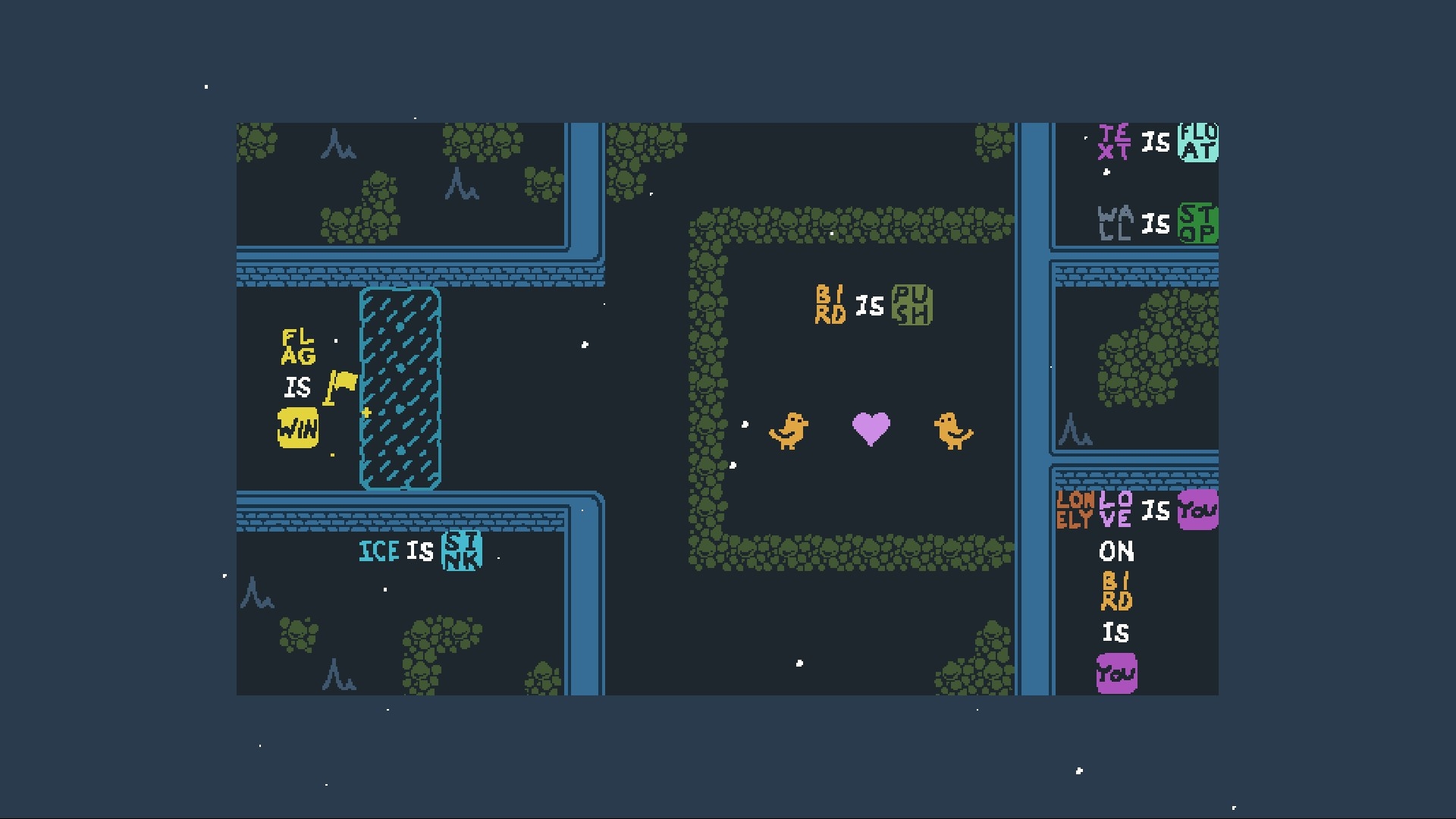
– Block Properties: Text blocks aren’t merely intellectual constructs; they possess physical characteristics influenced by the current rules. A block defined as “PUSH” can be moved by objects defined as “YOU,” creating a tactile dimension to the gameplay.
Stacking and Movement
– Combining Blocks: When two text blocks are pushed onto the same tile, they can stack, combining their effects if moved correctly (via the same action type).
– Immovability: If certain text blocks lack the “PUSH” property, they become static, limiting player interaction unless modified by active rules.
Conditional Text
– Some blocks can serve as conditional modifiers, adding layers of complexity to gameplay mechanics based on their positioning relative to other blocks. These modifiers can cause rules to behave differently depending on how they are arranged.
Effects on Game Logic
Control and Identity
– The term “YOU” defines the player’s controllable character. By manipulating the rule stating “IS YOU,” players can switch control to different objects, such as making “FLAG IS YOU” to manipulate flags instead.
Altering Gameplay
– Players can redefine essential gameplay conditions such as “WIN,” “DEFEAT,” and “STOP” to change how objects interact with one another, fostering innovative solutions to challenges.
Unexpected Interactions
– Creative combinations of rules often yield surprising gameplay results. For example, manipulating rules to state “WATER IS SINK” allows players to walk over water by removing its sinking property.
Logical Puzzles and Syntax
– The syntax of the rules is vital for correctly defining interactions. Misarrangements can either invalidate the gameplay or create unintentional solutions, emphasizing the importance of careful construction of sentences.
Advanced Mechanics
Broken and Transformed Text
– In some levels, text blocks may become “broken,” transforming into different entities and altering available rules, introducing unique challenges.
Negative Logic
– The introduction of the term “NOT” allows players to negate rules, adding another layer of complexity to gameplay and prompting deeper strategic thinking.
Summary Table: Effects of Pushing Text Blocks
| Action | Effect on Game Logic |
|——————————-|———————————————————|
| Push to form “X IS YOU” | Switches control to character X |
| Break “WALL IS STOP” | You can walk through walls |
| Form “TEXT IS PUSH” | Players can now push text blocks |
| Stack two text blocks | Combines rules if valid; may alter functionality |
| Use “NOT” in rules | Reverses the specified property or rule |
Conclusion
In Baba Is You, the act of pushing text blocks transcends traditional gaming mechanics, allowing players to engage in a form of live logic programming that fosters both creativity and critical thinking. By reshaping the fundamental rules of the game, players face a dynamic puzzle experience that challenges their intuition and problem-solving skills. This innovative approach to gameplay is not only engaging but also enriches the cognitive experience, making each level a unique exploration of logic and creativity.
Leave a Reply