
Object duplication in Baba Is You is a fascinating mechanic that significantly alters how players interact with the game’s puzzles, particularly in unique scenarios like the “Skull House” level. Here’s a detailed examination of how this mechanic operates, its implications for gameplay, and the broader community dynamics surrounding it.
Understanding Object Duplication
1. Rule Manipulation: The core of Baba Is You lies in its rule-based gameplay, allowing players to manipulate the environment by arranging tiles that represent rules like “X is Y.” By strategically reordering these rule tiles, players can create conditions where an object can effectively transform into another, enabling duplication under certain circumstances.
2. Cycles and Conversions: Advanced manipulation often involves creating cycles where an object undergoes a series of transformations that eventually revert back to its original form. This can result in the appearance of additional instances of the object on the level, creating duplicates that players can use for various purposes.
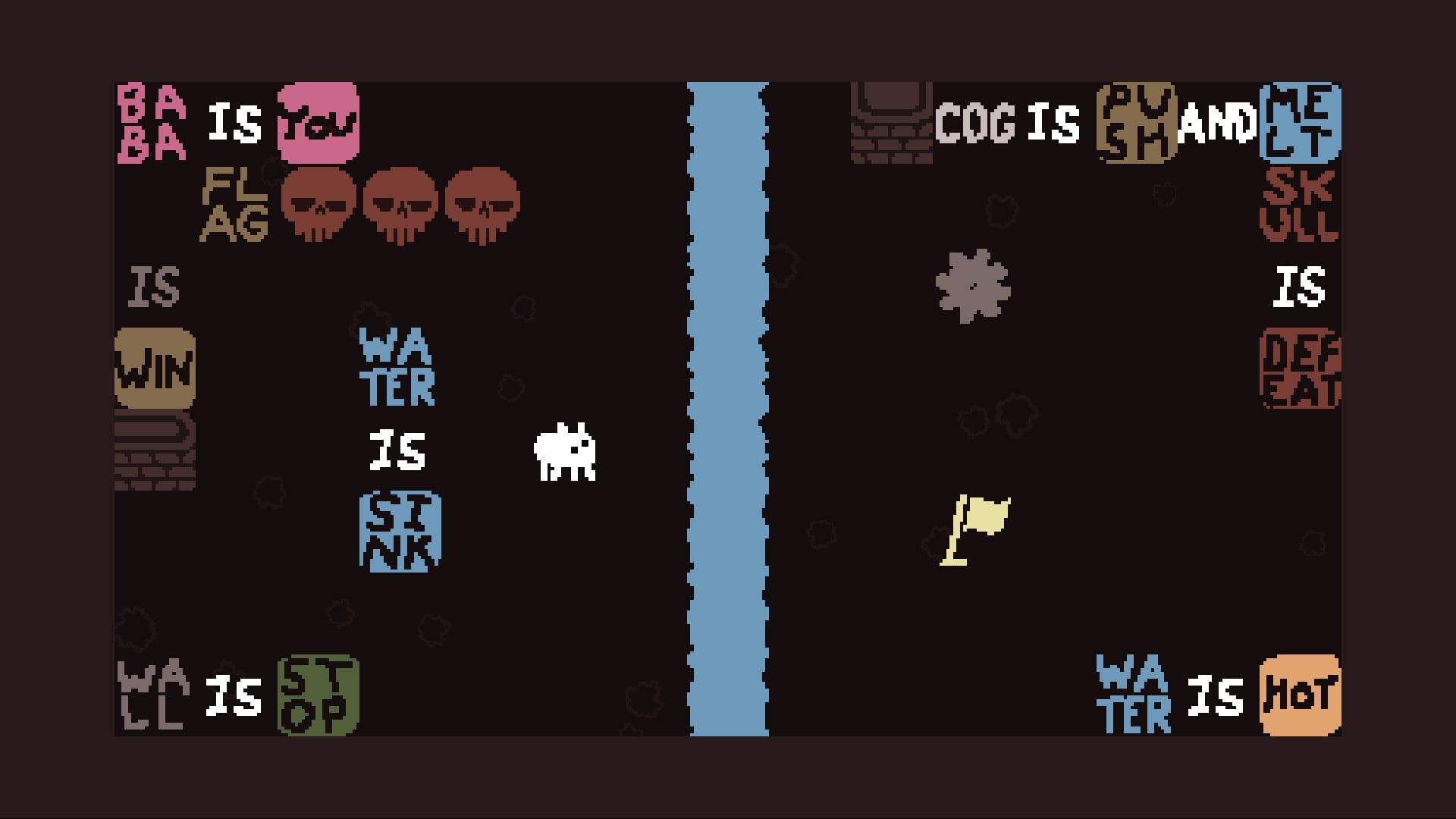
3. Skullhousing Trick: This specific technique illustrates a strong example of exploiting object duplication. Players manipulate the rules and the level design to enable the duplication of an object, often leading to creative solutions in navigating through the level. However, such strategies can sometimes compromise the intended challenge of the puzzle.
Strategies Enabled by Duplication
The capability to duplicate objects enables players to explore a variety of strategies. Some notable advantages include:
– Increased Flexibility: More objects mean that players can use different strategies and approaches to solve puzzles. This flexibility can help players adapt their methods and find innovative solutions to seemingly insurmountable obstacles.
– Rule Combining: Players are able to satisfy multiple conditions by using duplicated objects. For example, if a level requires specific objects to fulfill different roles, duplicating one can allow the player to meet the requirements for both roles simultaneously, streamlining the solution process.
– Shortcutting Levels: In certain instances, object duplication can allow players to circumvent traditional puzzle requirements. This could mean bypassing complex sections altogether, opening up avenues for quicker level completion and enhancing the sense of exploration within the game.
– Creative Level Design: For those engaging with the level editor, duplication serves as a potent tool for crafting intricate puzzles. Designers can create scenarios that demand advanced strategies from players, enriching the overall experience and presenting challenges that truly test one’s ingenuity.
Community Impact
The mechanics of object duplication and their implications have spurred substantial dialogue within the Baba Is You community. Players actively share insights, strategies, and tricks, which fosters a collaborative environment. However, this discussion isn’t without its controversies.
The community grapples with the balance of duplication mechanics—while they open up unique gameplay possibilities, they can also lead to exploits that challenge the design integrity of certain levels, most notably highlighted in discussions surrounding the Skull House level. Some players argue that such mechanics undermine the intended difficulty and design of levels, prompting calls for adjustments or clarifications in how these rules should function.
Conclusion
In summary, object duplication in Baba Is You introduces a richly layered dimension to puzzle-solving, allowing for a plethora of strategies and creative approaches. While it enhances gameplay through increased flexibility and innovative possibilities, it also poses challenges in the balance of puzzle design. The vibrant community around this mechanic continues to explore and debate its implications, ensuring that the game remains a dynamic and engaging experience for all players.




Leave a Reply