
In Baldur’s Gate 3, the choices made during Act Three are pivotal, as they shape the game’s narrative and determine various endings for both your character and the world you inhabit. Here’s a detailed look at the significant decisions you face during this crucial act:
Main Quest Choices: Confronting the Elder Brain
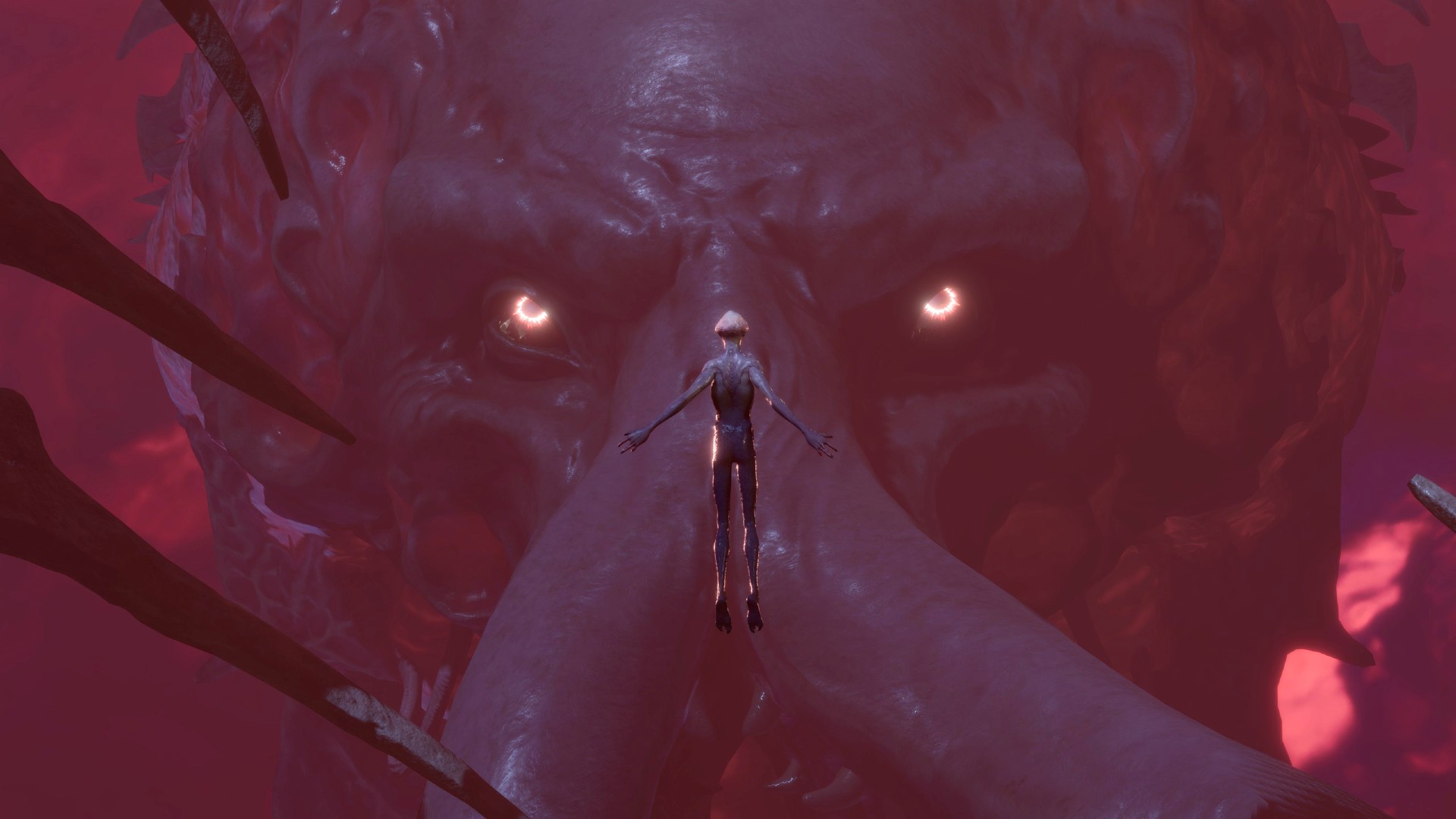
The confrontation with the Elder Brain serves as the climax of Act Three, presenting players with a decisive moment in the campaign. Your approach in this encounter can take different forms based on your character’s class and abilities:
– Direct Combat: If your character excels in combat, opting to engage the Elder Brain directly might be the most straightforward method. Success in this battle not only affects your own character’s fate but also sets the stage for the world’s survival against the Mind Flayer threat.
– Strategic Approaches: Alternatively, players might find avenues for more tactical approaches, such as sabotaging the Elder Brain’s influence or using spells to incapacitate it. This requires careful planning and consideration of your party’s strengths and weaknesses but could lead to a more nuanced and possibly satisfying resolution.
Companion Quests and Decisions
Companion interactions are crucial in Act Three and have lasting ramifications that extend to the game’s endings:
– Gale’s Apology to Mystra: Choosing whether to have Gale apologize to Mystra can deepen his character development and alter relationships with other companions, affecting group dynamics and future interactions.
– Astarion’s Ascension: Allowing or denying Astarion the chance to ascend not only impacts his character arc but also influences how he relates to the player character and other companions. This decision can lead to different narrative outcomes and emotional resolutions.
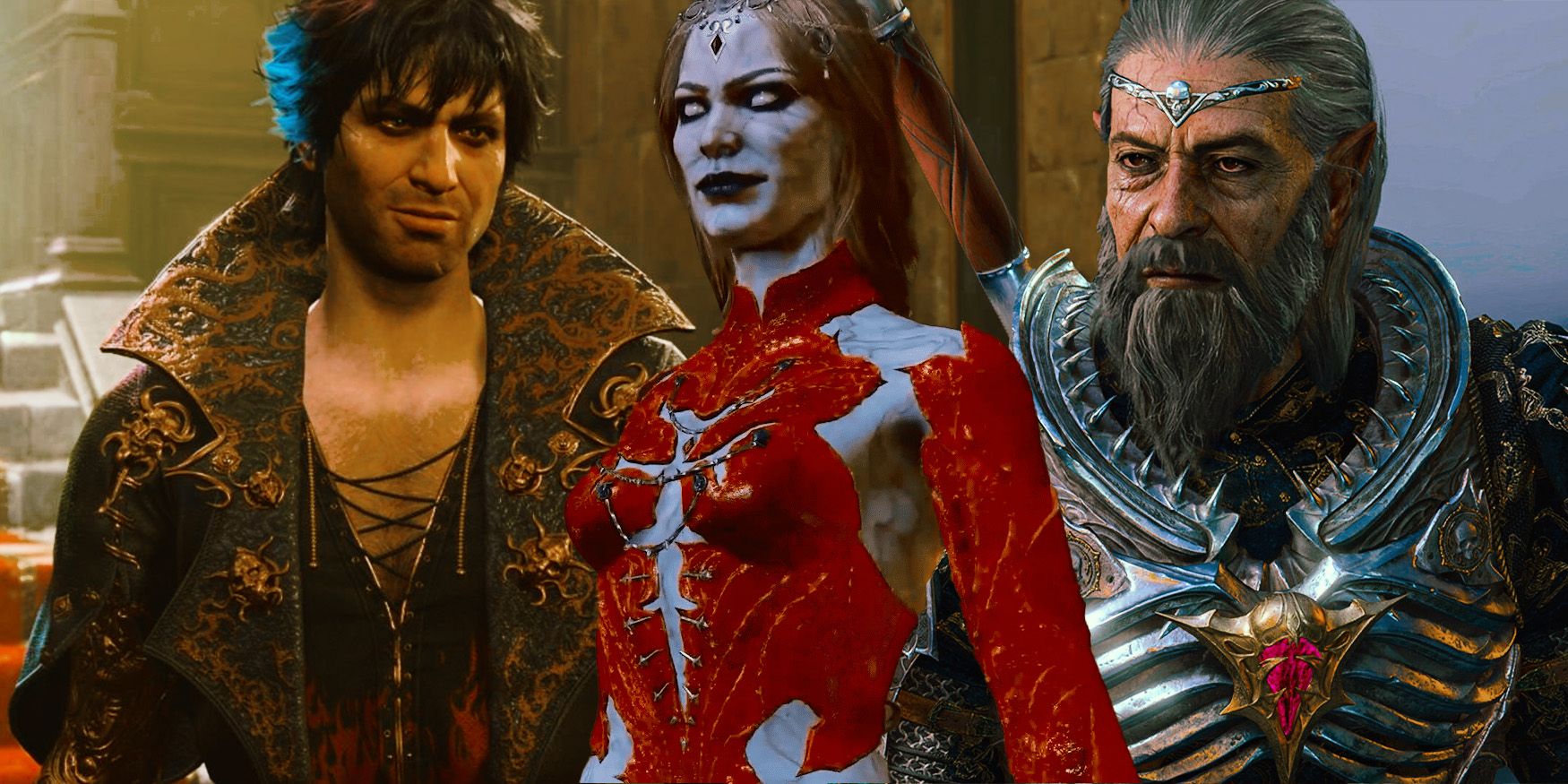
– Gortash Truce: Making a decision regarding a truce with Gortash can change political alliances within the story and affect relationships with key figures in the game, including the potential fallout in the Underdark.
Side Quests and World Impact
Engaging in side quests and various encounters throughout Act Three can profoundly influence the game’s narrative:
– Saving Prisoners and Refugees: Taking action to save prisoners and helping refugees can positively affect your reputation. This will enhance NPC interactions and can lead to more favorable outcomes later in the game.
Impact on Endings
Your choices in Act Three culminate in a variety of possible endings, intricately tied to your decisions throughout the act:
– Mind Flayer Victory Ending: If you successfully defeat the Elder Brain, the world is saved from the Mind Flayer threat, resulting in a celebratory finale where peace is restored.
– Darker Outcomes: Conversely, failure to confront or defeat the Elder Brain may result in a harrowing ending where the Mind Flayers dominate, and chaos reigns.
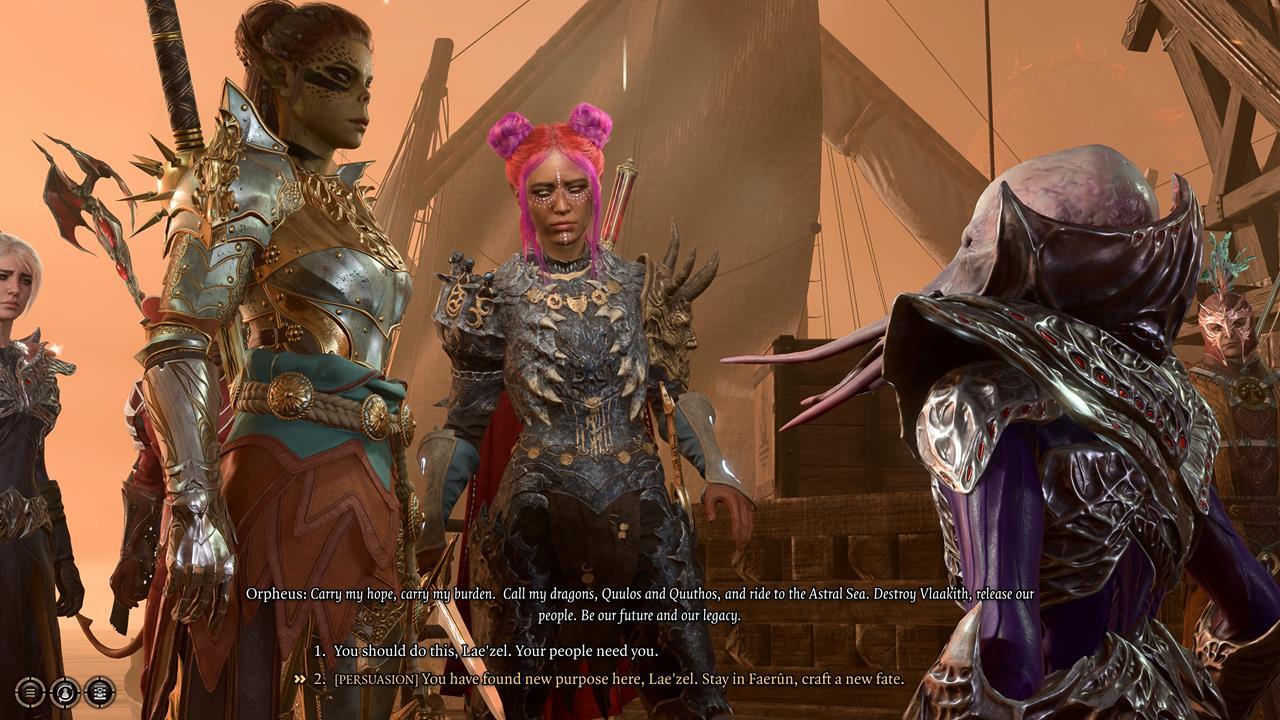
– Companion-Specific Resolutions: Decisions related to characters like Astarion can intricately weave into unique endings, offering tailored conclusions based on the fates of your companions.
Additional Tips for Maximizing Content in Act Three
To ensure a rich gaming experience and fully explore the narrative potential:
– Explore Rivington: Before advancing through the main quest, take the time to investigate Rivington and engage with its many side quests for additional context and rewards.
– Complete Companion Quests: Ensuring that you finish all companion quests allows you to fully appreciate the complexity of their arcs and how your decisions impact their stories.
– Prepare for the Final Battle: Strive to achieve the highest levels possible and wrap up pertinent side quests in preparation for the climactic confrontation with the Elder Brain. Proper preparation can make a crucial difference in this tense encounter.
By approaching Act Three thoughtfully and exploring all available content, players can experience a deeply woven, dynamic conclusion to their journey in Baldur’s Gate 3, tailored by their own choices and actions throughout the game.


Leave a Reply