
Baldur’s Gate 3’s co-op multiplayer offers a unique blend of individual agency and collaborative decision-making, tailoring a gameplay experience that accommodates both social interaction and strategic gameplay. By allowing players to reconnect with friends or team up with new companions, the game fosters an engaging environment for exploring its expansive narrative and complex quests.
Companion Interactions
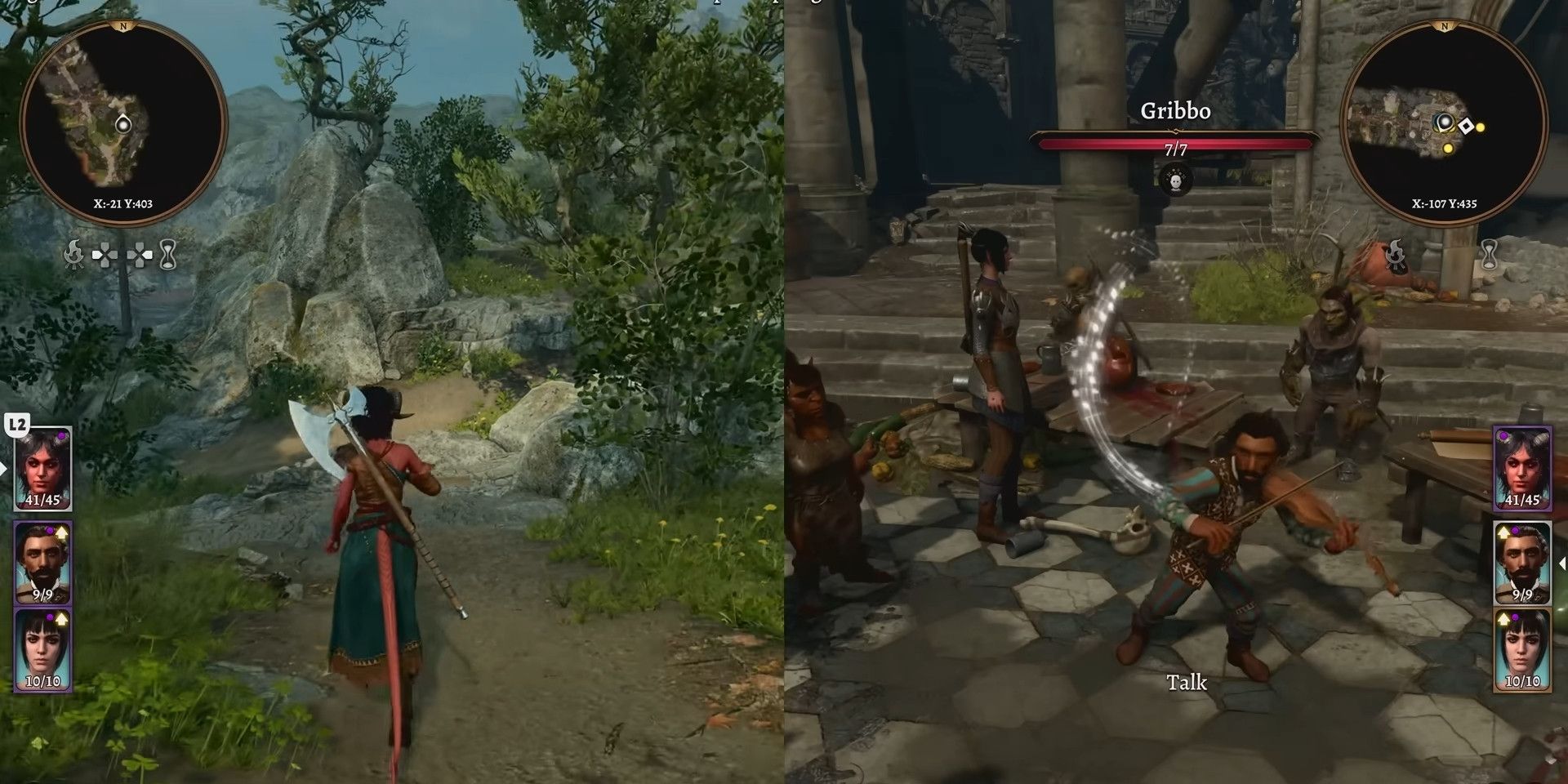
In Baldur’s Gate 3, companion interactions are structured in a way that respects both the dynamics of multiplayer gameplay and the richness of the single-player experience. Each player takes charge of their own character, which gives them a degree of control over their actions and choices. This autonomy is paramount for maintaining a personalized gameplay experience.
However, the game’s design ensures that the host retains significant authority over critical dialogues and narrative choices. This consolidation of control aims to minimize confusion and conflict, which could arise from conflicting decisions among players. To facilitate dialogue engagement, the game employs a voting system, enabling players to express their preferences regarding dialogue options. Importantly, while players can share their opinions and advocate for certain choices, the final decision typically rests with the host. This mechanism strives to strike a balance between collaborative input and coherent narrative progression.
Influence on Key Decisions
The nature of decision-making in Baldur’s Gate 3 further emphasizes the importance of collaboration while retaining the host’s decisive role. Major narrative choices are often influenced by discussions among players, who can propose and negotiate varying strategies. Despite this dialogue, the game design ensures that the host’s selections are the ones that ultimately shape the outcome, thereby preserving the integrity of the storyline.
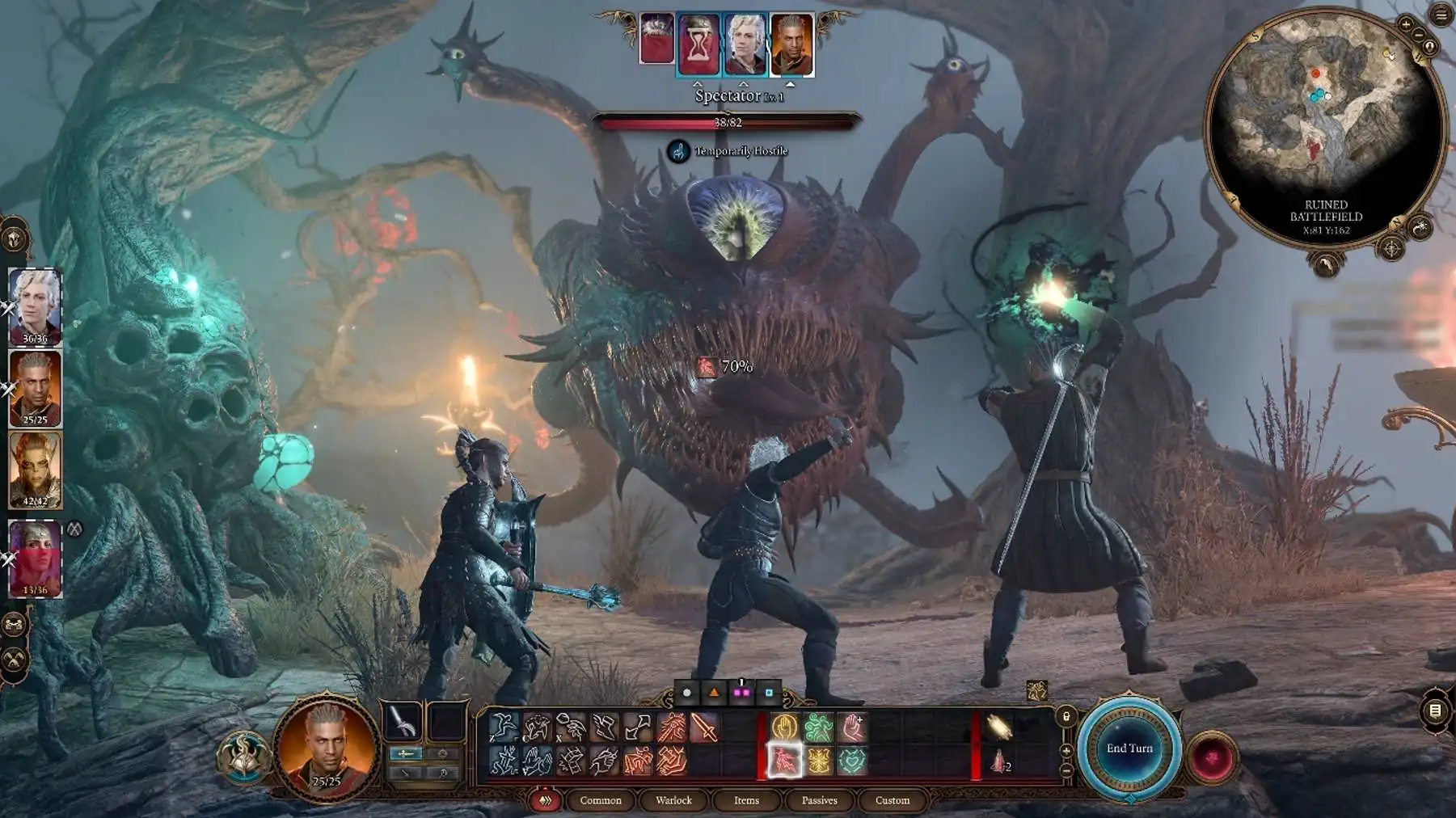
Moreover, strategic planning—particularly in combat scenarios or quest approaches—requires teamwork and effective communication. Player coordination is essential for maximizing efficiency during encounters and making collective decisions that align with the party’s strengths. This collaborative dynamic not only enhances gameplay but also fosters a richer bonding experience among players.
Cross-Platform Play
Another notable aspect of Baldur’s Gate 3’s multiplayer experience is cross-platform play, which allows users on different platforms—specifically between PC (Steam and GOG) and PS5—to connect and embark on their adventures together. This feature significantly broadens the player base, enabling friends who own different consoles to collaborate seamlessly, thus enhancing accessibility and inclusivity within the gaming community.
Joining Mid-Campaign
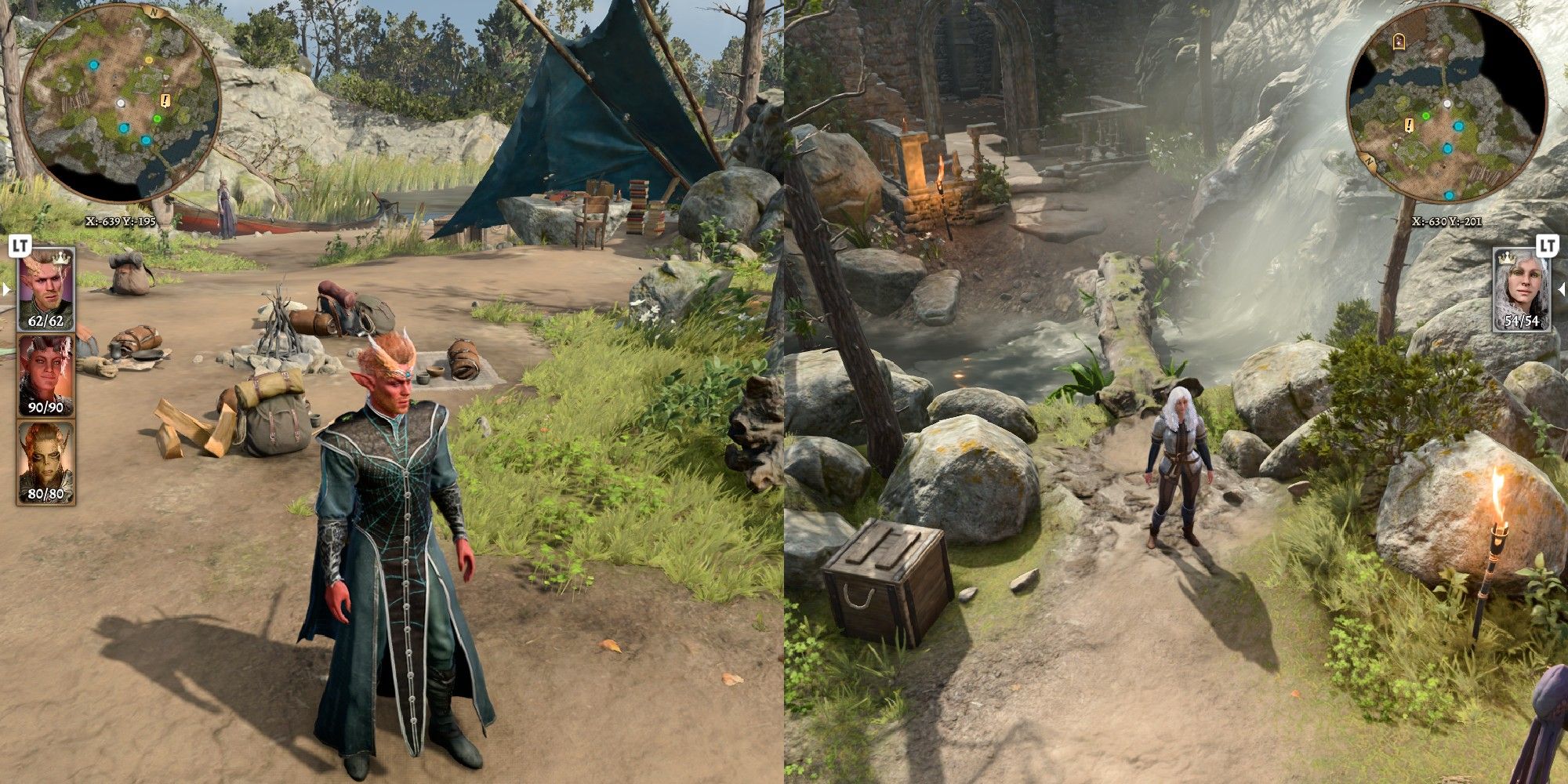
When players choose to join an ongoing campaign, they are required to create a custom character. This ensures that all players start with equal footing and preserves the narrative coherence of the host’s journey. Existing Origin characters are restricted to those who begin the campaign from the very start, allowing for a more structured and intentional character development process throughout the adventure.
Conclusion
Overall, Baldur’s Gate 3’s co-op multiplayer mode enriches the gaming landscape by combining its intricate social dynamics and strategic interactions with the traditional single-player elements. This creative juxtaposition not only deepens the narrative experience but also reinforces cooperative gameplay, allowing players to impact the world around them while forging meaningful connections with others. Whether through strategic collaboration or meaningful dialogue, every session in Baldur’s Gate 3 promises a uniquely interactive adventure.

Leave a Reply