
In Baldur’s Gate 3, players can unlock a wealth of hidden pathways and secret areas by leveraging specific skill checks that correspond to various player abilities. Understanding which skills to utilize and how they operate can significantly enhance your exploration experience. Below is a structured overview of the types of skill checks involved and their application in uncovering hidden areas throughout the game.
Types of Hidden Areas and Skill Checks
1. Perception Checks
– Purpose: Essential for detecting hidden passages, secret doors, and switches that may not be visible to the naked eye.
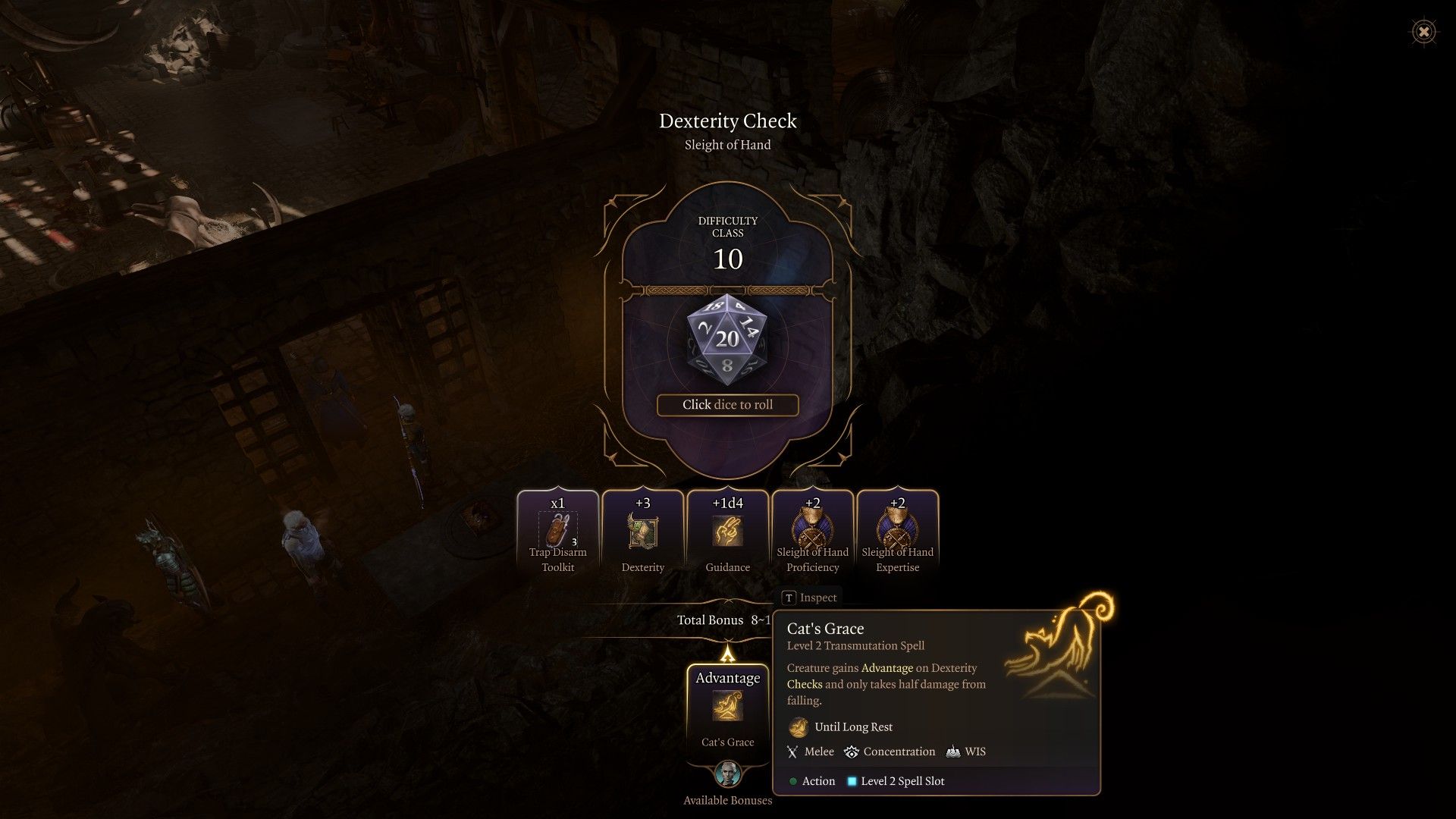
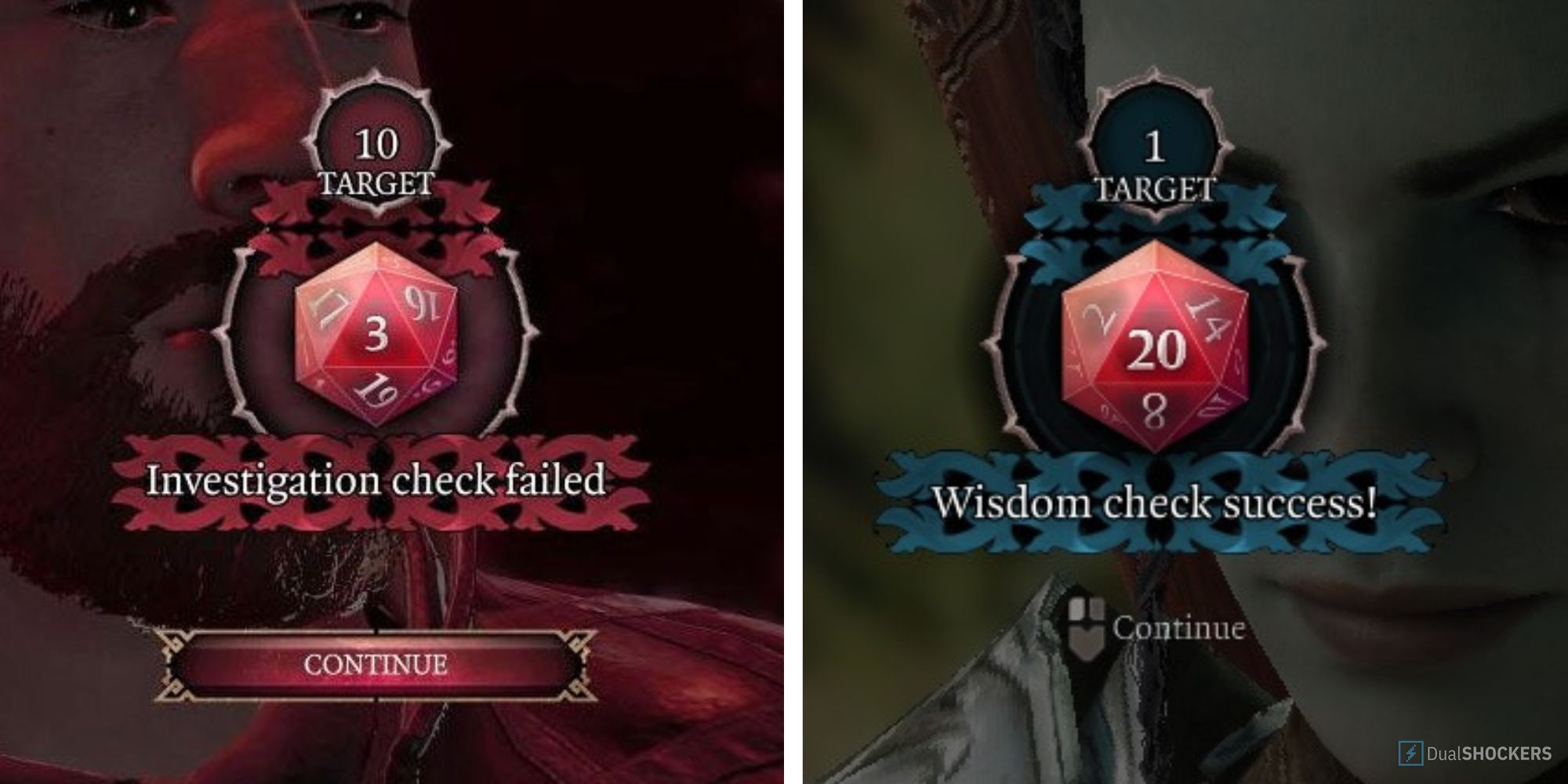
– Method: When approaching an area with potential secrets, the game may trigger a Perception check. Success reveals hidden mechanisms or pathways, while failure might require a character with a higher Wisdom score to reroll the check.
– Examples: Players may discover secret doors in locations like dungeons or behind walls by passing a successful perception check. Notable areas may include the Emerald Grove, especially near notable NPCs such as Alfira, who may serve as prompts for these checks.
2. Athletics Checks
– Purpose: Required for physical feats such as climbing walls, swimming, or jumping over obstacles to access new areas.
– Method: Characters with high Athletics scores can more easily traverse challenging physical environments, which might otherwise block access to hidden areas.
– Examples: Players might need to scale cliffs or leap across gaps to uncover hidden paths or reach elevated secret rooms.
3. Survival Checks
– Purpose: Specialized for wilderness exploration, allowing characters to detect hidden dangers, pathways, or resources effectively.
– Method: High Survival skill characters can find subtle indicators in the environment that suggest the presence of hidden areas or potential threats.
– Examples: In dense forests or rocky terrains, a successful Survival check can lead to uncovering hidden routes that would remain unnoticed without keen observation.
4. Religion Checks
– Purpose: Useful for deciphering ancient lore or recognizing religious symbols, which can yield access to secret locations or historical insights.
– Method: Characters equipped with significant levels in Religion can interpret clues or markings within the environment that signal the presence of hidden areas.
– Examples: In crypts or ancient temples, players may discover hidden chambers or religious artifacts that necessitate successful Religion skill checks.
Specific Locations and Examples
– Emerald Grove: As previously mentioned, players will encounter Alfira in this region, who may provide opportunities for Perception checks to uncover hidden pathways and further secrets within the area.
– Hidden Towns and Quest Lines: Passing Perception checks might open entire quest lines or towns hidden behind illusory walls or in secluded corners, expanding gameplay and the narrative experience.
Tips for Finding Hidden Paths
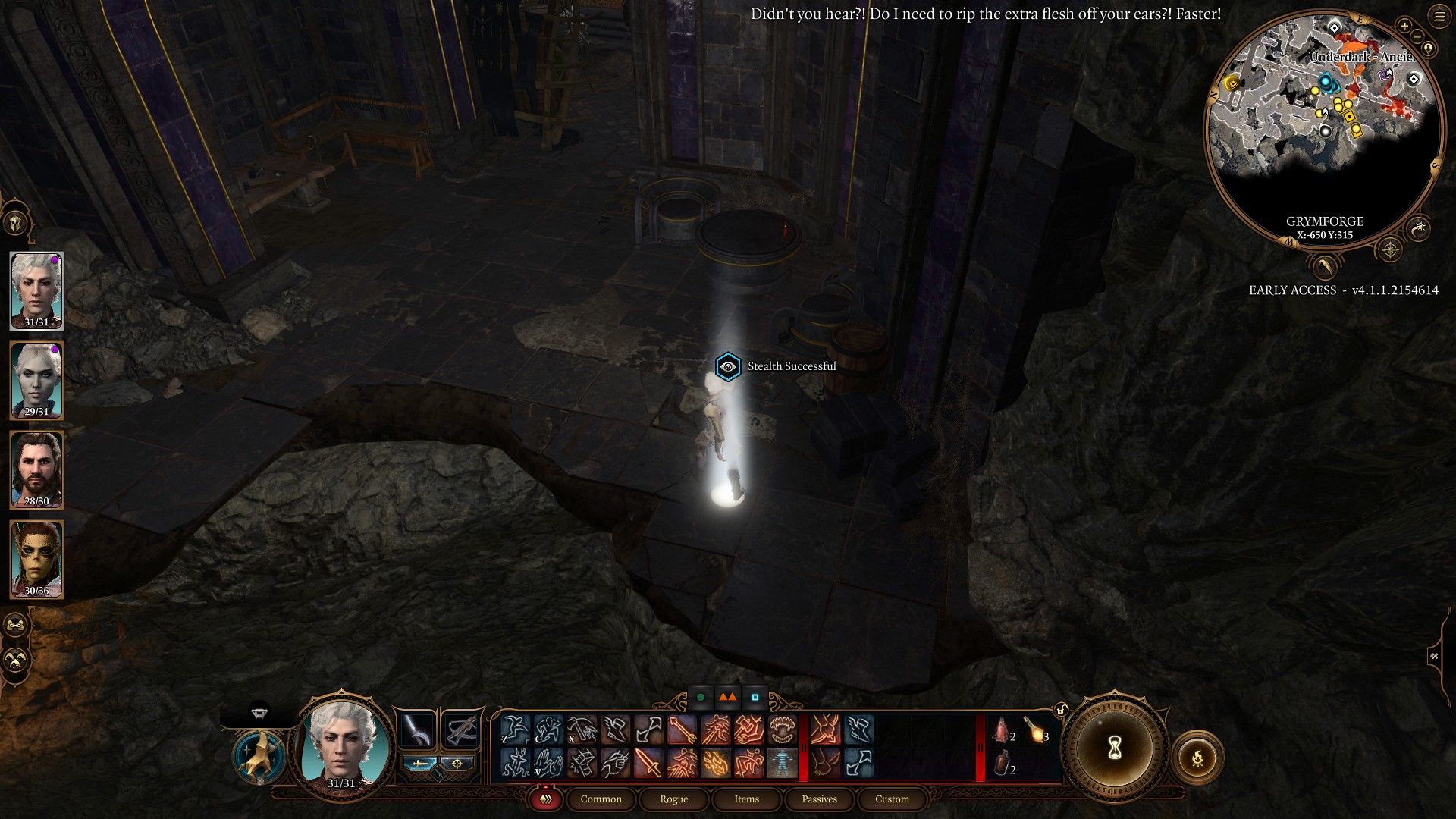
– Thorough Exploration: Players are encouraged to meticulously explore environments. Many hidden areas require multiple skill checks and thorough examinations.
– Utilize Appropriate Characters: In cases where skill checks fail, switching to another party member with stronger relevant skills increases the likelihood of success.
– Skill Combination: Taking advantage of various skills—combining Perception with Athletics and Survival—can maximize the potential for discovering hidden paths or secrets.
Conclusion
In summary, Baldur’s Gate 3 is richly layered with opportunities for exploration through hidden pathways and secret areas that hinge on specific skill checks. By comprehending the various skills available and applying them adeptly, players can enhance their gameplay experience, uncovering new dimensions within the game’s expansive world. This combination of exploration, teamwork, and skill utilization not only adds to the depth of gameplay but also enriches the overall narrative and player engagement.


Leave a Reply