
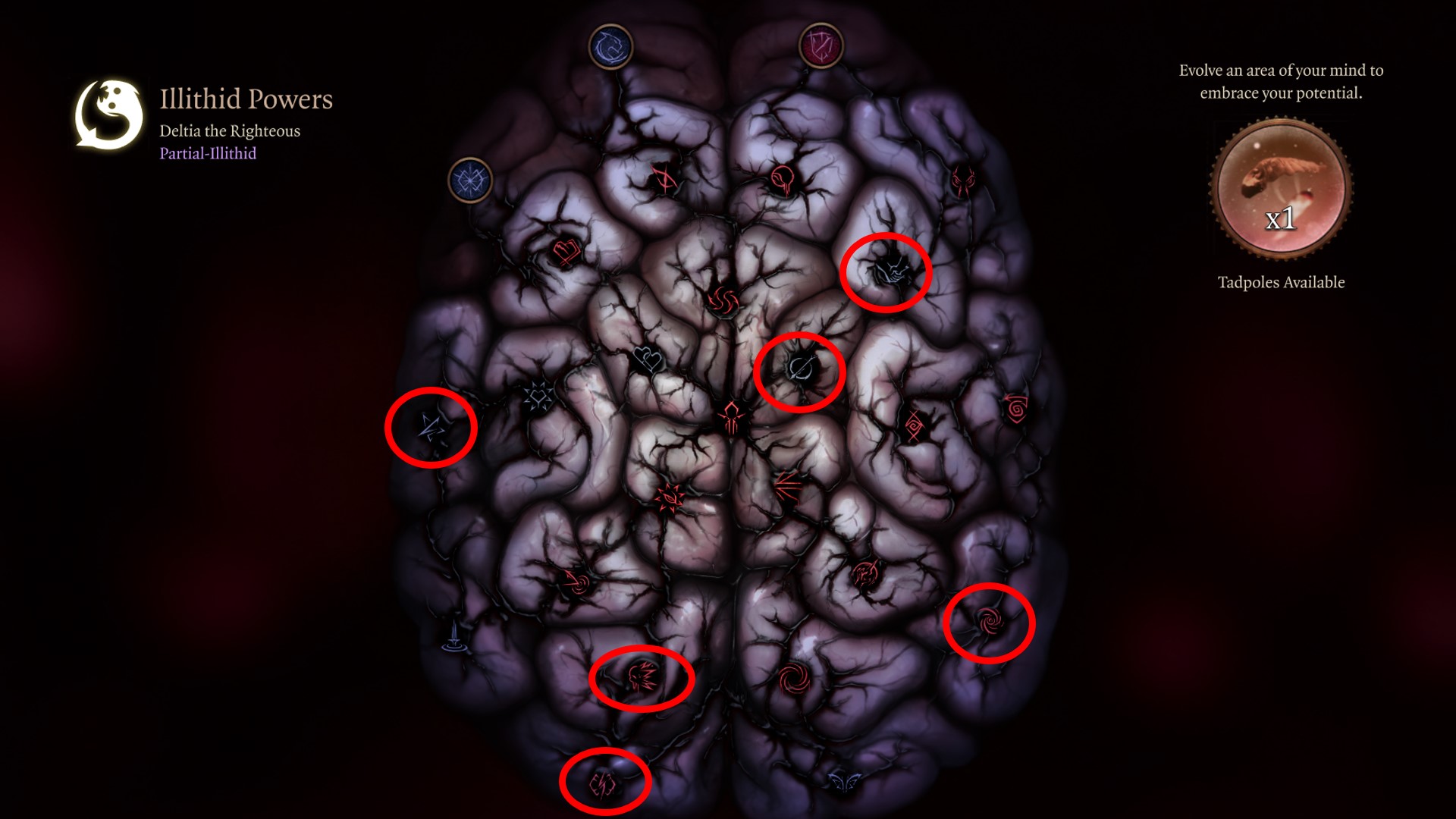
In Baldur’s Gate 3, the decision to embrace the Illithid powers bestowed by the Mind Flayer tadpole significantly shapes both combat dynamics and social interactions within the game. Players must navigate the complexities of these powers carefully, as they come with distinctive advantages and potential pitfalls.
Combat Effects
The Illithid powers provide players with a range of unique abilities that can greatly enhance combat effectiveness:
– Inkblot: This ability creates a dense cloud of ink around a target, obscuring their vision and exposing them to attacks. This can pivot the tide of battle by impairing enemies and creating opportunities for ambushes.
– Aberrant Shape: This power allows players to alter their form, potentially conferring advantages like increased damage output or strategic positioning during fights.
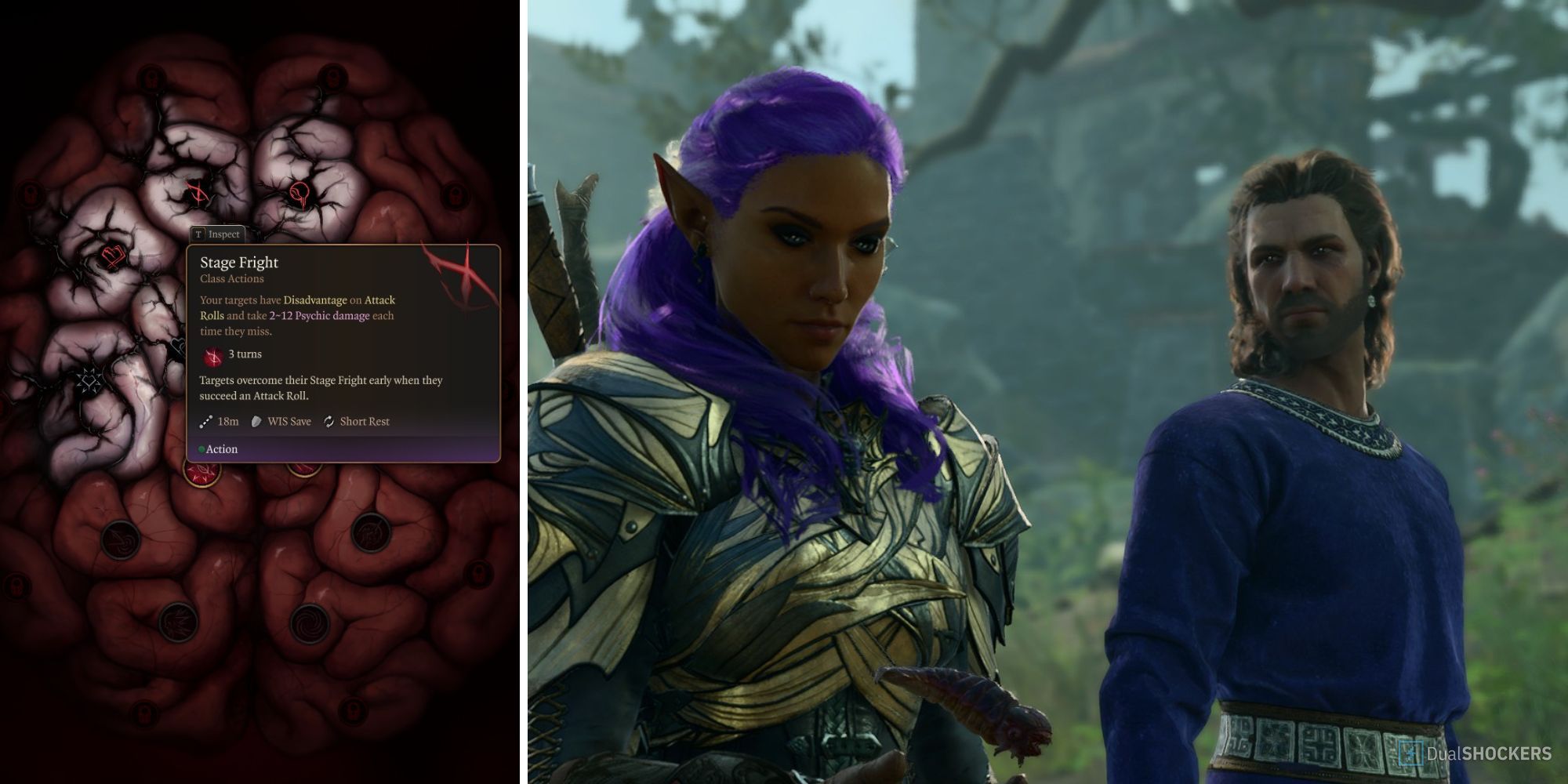
– Charm and Horrific Visage: These abilities allow players to influence NPC behavior or instill fear in enemies. Unlike traditional spells, these powers utilize no spell slots, allowing players to bring them into play without depleting their magical resources[1][2].
Benefits
– Unique Abilities: The Illithid powers provide a set of options that cannot be matched by traditional spells, allowing for a more dynamic approach to combat. Players can customize their tactics depending on the enemies or challenges faced within the game.
– Resource Efficiency: Using these powers does not consume spell slots, meaning players remain capable of casting traditional spells and using other abilities, thus enhancing their overall combat versatility[1][2].
Risks
– Addiction and Dependence: While the powers are advantageous, overreliance can lead to dire consequences, including narrative repercussions and bad endings if players do not balance their use with other choices[1].
Social Interaction Effects
The implications of using Illithid powers stretch beyond combat into the realm of social dynamics with companions and NPCs:
Companion Approval
– Approval and Disapproval: The reactions of companions can vary significantly based on their personal beliefs and acceptability of using Illithid powers. For instance, Lae’zel may express contempt, creating friction and potentially locking players out of certain dialogue trees or questlines. Conversely, other companions might find the abilities fascinating or neutral, paving the way for different interaction possibilities.
– Relationship Dynamics: The context and frequency of Illithid power usage can dynamically alter how companions perceive the player. This can lead to improved relationships with certain characters and increased tensions with others, directly affecting gameplay and the narrative arc.
Story Consequences
– Ending Implications: Persistently relying on Illithid powers while making specific narrative choices can result in one of the game’s unfavorable endings. This underscores the need for players to use these abilities judiciously to align with their desired story outcomes[1].
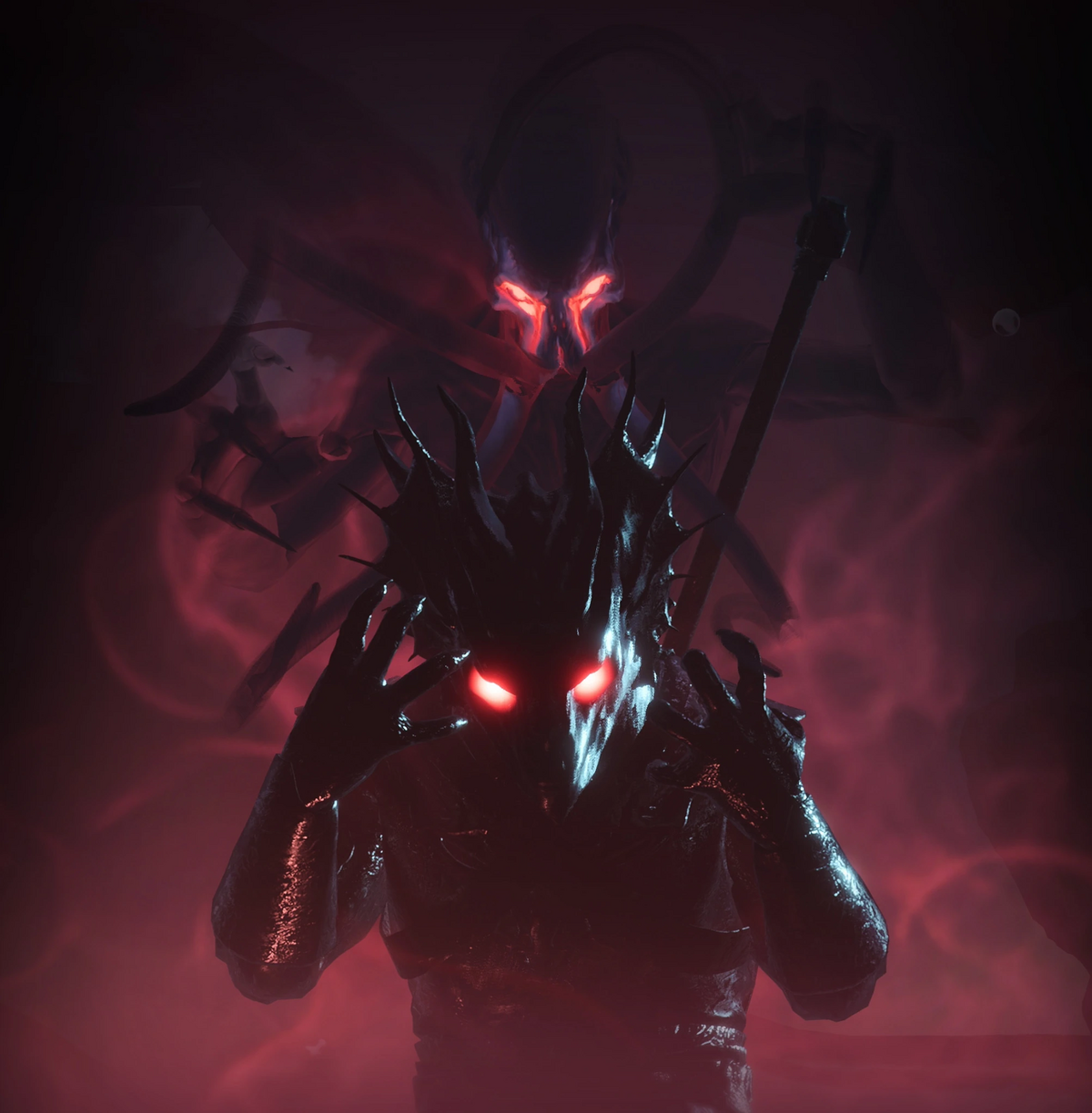
– Character Influence: The game’s narrative reflects the parasitic nature of the Mind Flayer tadpole. Frequent utilization of these powers can deepen its influence over the player character, manifesting not only in combat but also in transformative plot elements and character arcs[1].
Conclusion
In summary, the Illithid powers in Baldur’s Gate 3 introduce a complex layer of decision-making for players. While they offer compelling advantages in combat scenarios, they also pose significant risks to social interactions and narrative progression. A successful player experience hinges on striking a balance between leveraging these unique abilities and acknowledging the potential consequences that come with them, ensuring a thoughtful engagement with the game’s multifaceted storytelling.
Leave a Reply