
In Citizen Sleeper, the limited number of cycles profoundly affects both decision-making and the pacing of gameplay, creating a distinctive experience that challenges players to think strategically and act swiftly.
Impact on Decision-Making
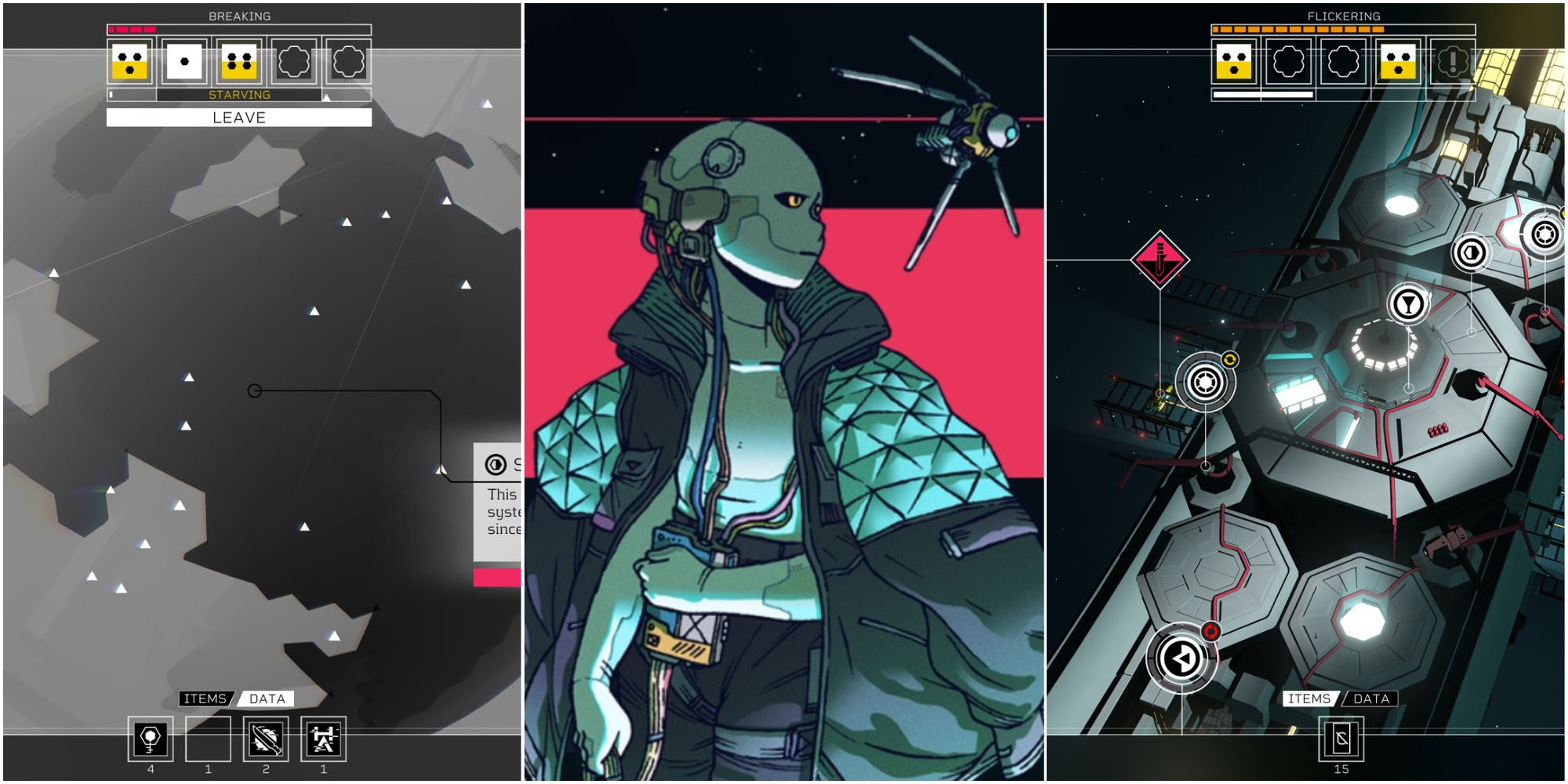
1. Resource Management: Each cycle functions as a discrete turn where players manage limited resources, particularly energy. Efficiently allocating energy is paramount, as it dictates the number of actions players can undertake within each cycle. This restriction compels players to prioritize tasks based on urgency and potential outcomes, thus fostering a strategic approach to resource management.
2. Risk vs. Reward: The dice roll mechanism adds an element of chance to actions, prompting players to weigh the potential benefits of riskier choices against the inherent dangers. With a finite number of cycles, players must carefully consider whether the potential for a high reward justifies the risk of failing an action, instilling a sense of urgency that influences their overall strategy.
3. Long-Term Planning: Despite the immediacy of each cycle, players are encouraged to think ahead. Decisions made in one cycle can have cascading effects on subsequent cycles, necessitating a more holistic view of progress and strategy. This long-term planning aspect enhances the game’s depth, as players must account for future opportunities and challenges while navigating the present.
4. Clock Mechanics: The introduction of clocks that track various events adds another layer of complexity to decision-making. Actions taken during a cycle may advance these clocks, creating timelines that players must manage. This mechanic injects urgency into the gameplay, as players must consider not only their immediate tasks but also how their choices influence broader game events.
Impact on Pacing
1. Urgency and Tension: The cyclical structure of the game instills a pervasive sense of urgency and tension. Each cycle serves as a pressure point, driving players to make swift decisions regarding task completion, resource allocation, and risk management before the cycle expires. This constant race against the clock enriches the gameplay experience.
2. Dynamic Gameplay: The combination of limited cycles and the randomness of dice outcomes ensures that each cycle is unique. Players face diverse challenges and opportunities, which contributes to an engaging and varied gameplay experience. This unpredictability keeps players on their toes, enhancing the game’s replay value.
3. Story Progression: The cycle system also plays a crucial role in narrative development. Completing cycles leads to the unfolding of the story, with each decision impacting plot progression and relationships with other characters. This intertwining of gameplay mechanics and storytelling deepens player investment in both the narrative and the characters within it.
4. Player Engagement: The overall cyclical structure calls for deep player engagement. As players navigate a landscape of shifting circumstances and strategic decisions, the game fosters a sense of investment and involvement. This engagement is heightened through the constant need to adapt and refine strategies throughout the game.
Conclusion
In summary, Citizen Sleeper leverages its limited cycle framework to create a complex and strategic gameplay experience. This structure compels players to balance short-term necessities with long-term objectives while effectively managing resources and navigating the inherent risks of their choices. The resulting interplay between decision-making and pacing fosters an immersive and challenging environment, making each cycle a critical and engaging part of the gameplay experience.


Leave a Reply