
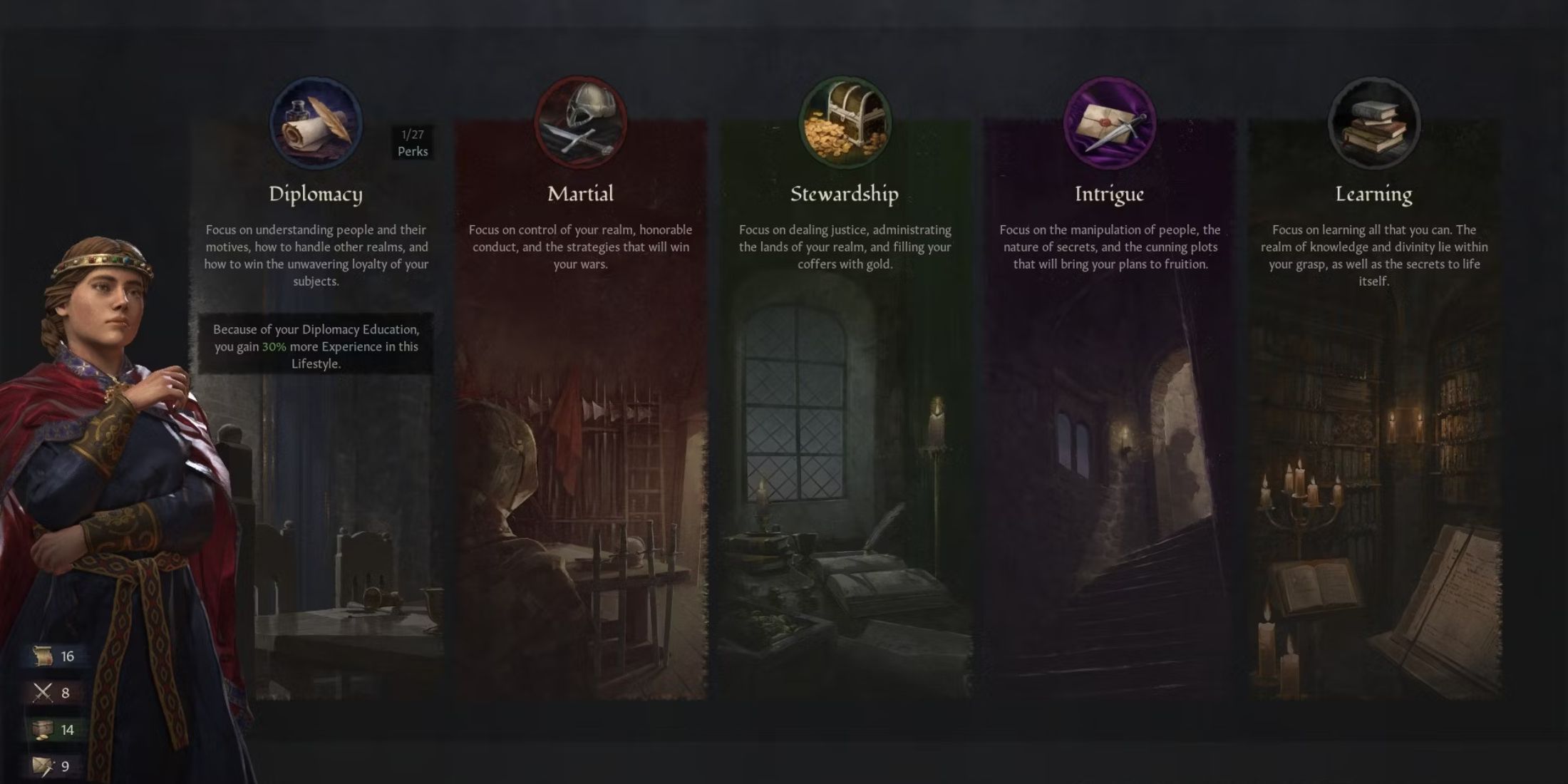
In Crusader Kings III, players navigate a richly textured medieval world where their choices shape the course of dynasties and realms. The distinctions between the Intrigue and Diplomacy lifestyles play a crucial role in how players can approach their objectives, offering diverse avenues for gameplay depending on personal preference.
Intrigue Lifestyle
– Purpose: The Intrigue lifestyle is tailored for those who thrive on deception and strategic cunning. Its focus on plotting, scheming, and manipulation enables players to navigate the game through stealth rather than force, making it a fitting choice for those who enjoy a darker or more hostile approach to leadership.
– Perks and Skills: Players who invest in the Intrigue lifestyle unlock a suite of powerful skills and perks designed to facilitate covert operations. These include:
– Espionage: Increased abilities to gather secrets from opponents.
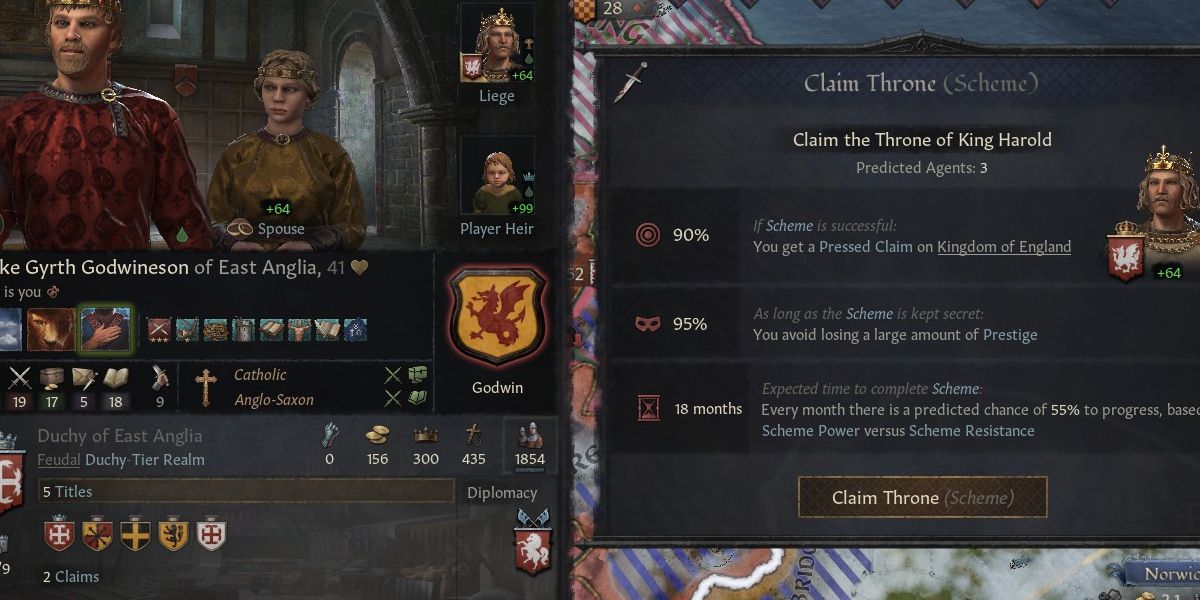
– Plotting: Enhanced effectiveness in devising and executing plots against rivals, including assassination attempts or subversion of alliances.
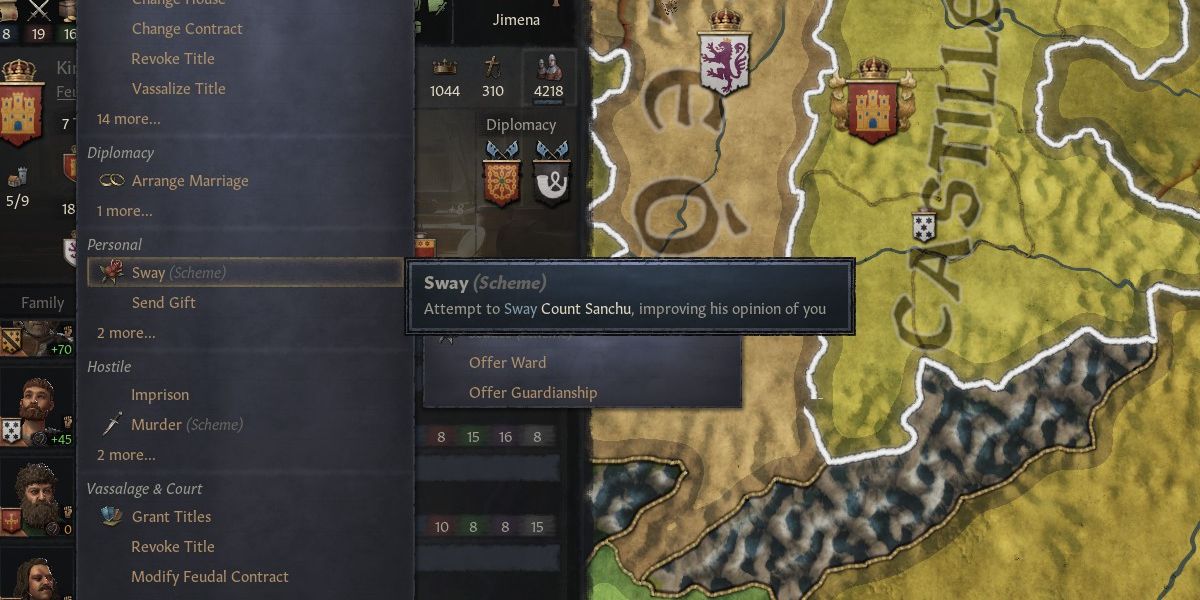
– Manipulation of Relationships: Skills that allow you to create discord among adversaries or sway potential allies to your side through deceit.
– Gameplay Impact: The gameplay stemming from the Intrigue lifestyle is dynamic and often unpredictable. Players can sabotage enemy plans, instigate internal conflicts within rival realms, and eliminate threats before they can arise. This lifestyle is particularly advantageous when players are significantly outnumbered or lack military strength.
Diplomacy Lifestyle
– Purpose: Conversely, the Diplomacy lifestyle emphasizes the importance of relationships and strategic partnerships. It appeals to players who favor negotiation and cooperation over conflict, focusing on strengthening bonds with both vassals and external allies.
– Perks and Skills: Characters adopting the Diplomacy lifestyle can develop a range of skills that enhance their ability to interact positively with others. Key skills include:
– Alliance-Building: Increased effectiveness in forging alliances through marriages or treaties.
– Vassal Management: Improved skills to ensure vassal loyalty, reducing the chances of rebellions or discontent.
– Conflict Resolution: Tools for peacefully resolving disputes, which can prevent costly wars and further your political agenda more smoothly.
– Gameplay Impact: The benefits of a strong Diplomacy lifestyle become increasingly evident in long-term scenarios. Players can stabilize their realm through strong alliances, mitigate conflicts before they escalate, and ultimately create a powerful coalition that supports their ambitions.
Comparison
– Strategy vs. Roleplay: The Intrigue lifestyle leans towards strategic depths with a focus on manipulation and power plays. Players engaging in this path often relish the thrill of outsmarting opponents. In contrast, the Diplomacy lifestyle is more aligned with role-playing elements that value character interactions and long-term planning, rewarding players who invest time in relationship-building.
– Gameplay Style: Players leaning towards Intrigue often embody roles of deep cunning, where the end justifies the means, resulting in a more aggressive, underhanded style. On the other hand, those who prefer Diplomacy engage in a collaborative style, favoring negotiation, alliances, and peaceful coexistence as they build a legacy.
– Utility: While Intrigue can provide quick, tangible results for destabilizing an opponent or seizing power, Diplomacy yields strategic advantages manifested in resilience and influence over time. Each lifestyle serves its purpose, allowing players to explore distinct paths to victory.
Conclusion
In conclusion, the choice between the Intrigue and Diplomacy lifestyles in Crusader Kings III fundamentally shapes the player experience. Intrigue appeals to those who thrive on manipulation and shadowy deeds, while Diplomacy suits those who value alliances and peaceful resolution. Both offer distinct advantages, allowing players to tailor their gameplay to match their desired approach to the challenges of ruling a medieval dynasty.
Leave a Reply