
In Crusader Kings III, navigating the complexities of having an heir with a different religion or culture is integral to maintaining a stable and prosperous realm. Let’s delve into the key aspects of this dynamic and explore strategies for managing it effectively.
Religion and Culture Changes
1. Mentorship Influence
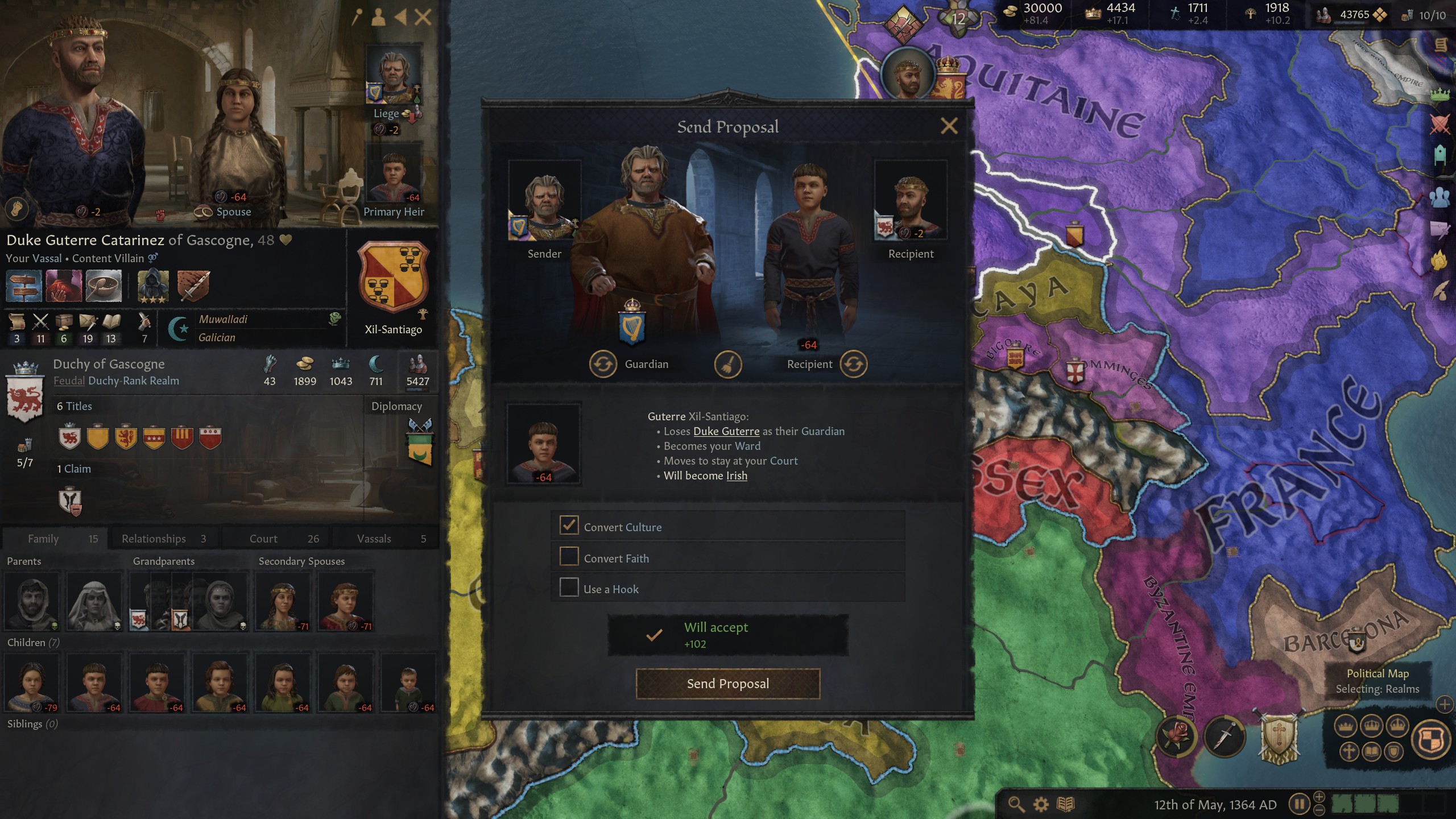
The relationship between an heir and their mentor can play a pivotal role in shaping the heir’s beliefs and identity. If the mentor practices a different religion or belongs to another culture, there’s a chance that the heir may adopt these traits during their upbringing. This mentorship mechanism is rooted in the game’s character development system, where the characteristics of mentors significantly impact the young characters they guide.
2. Conversion and Reconversion
If your heir chooses to convert to a different religion, you may have the option to demand they return to your faith. The likelihood of a successful reconversion often hinges on the relationship you maintain with your heir. High opinion levels or possessing a strong hook (like a favor or a threat) can greatly enhance your chances. However, timing is critical; if your heir has matured into a formidable leader with established views, they may resist such demands, asserting their independence.
3. Succession Implications
While succession laws are generally not affected by an heir’s religion directly, the stability of your domain can certainly be influenced. A ruler may find that their vassals hold differing views regarding their heir’s beliefs, potentially destabilizing loyalties and leading to intrigue or rebellion. Thus, the perception of your heir’s religion can play a significant role in succession dynamics, and, consequently, in how you govern.
Culture and Succession
1. Cultural Differences
Although cultural variance does not alter succession rights per se, it can create nuances in foreign relations and vassal interactions. An heir who embodies a different culture might develop preferences that could lead to friction with certain factions within your realm or adjacent rulers.
2. Managing Cultural Differences
To minimize the impact of cultural disparities, consider a couple of strategies:
– Education: Promote a comprehensive education that immerses your heir in the traditions, values, and practices of your realm. This preparation can foster a sense of belonging and reduce potential cultural tensions.
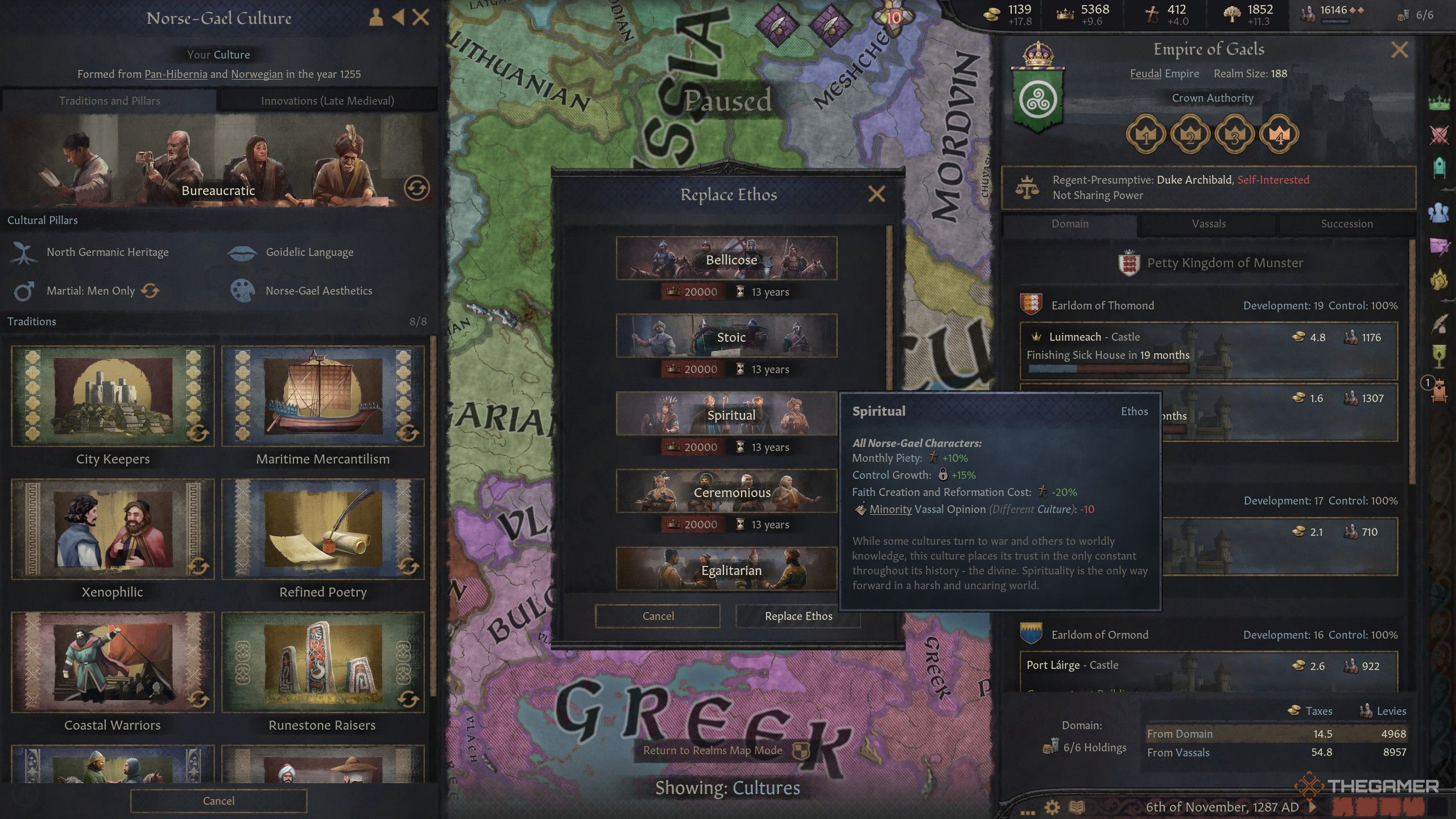
– Cultural Shift: If you possess considerable influence, it may be possible to instigate a cultural conversion of your heir through certain game events or actions.
Managing Heirs with Different Religions or Cultures
1. Monitor Mentorship
Carefully select mentors for your heir, particularly based on their religious and cultural alignment with your own. This proactive strategy helps maintain continuity in beliefs and practices.
2. Engage in Diplomacy
Effectively utilizing diplomacy is essential. Foster a strong relationship with your heir, empowering you to encourage their reconversion if they stray from your faith or to sway them back to the dominant culture within your realm.
3. Educate and Prepare
Ensure that your heir’s education aligns with your realm’s culture and religious practices. A well-rounded upbringing steeped in the traditions and values of your kingdom will help forge a strong, cohesive identity.
Conclusion
In Crusader Kings III, the challenges posed by an heir’s differing religion or culture can invoke strategic gameplay but also present opportunities for character development and diplomatic maneuvering. By understanding the nuances of the game mechanics and employing thoughtful strategies, you can effectively manage these complexities to create a stable and unified realm. Whether through careful mentorship, adept diplomacy, or thorough education, your approach will determine the success of your lineage and the future of your kingdom.


Leave a Reply