
Comprehensive Guide to Large-Scale Wars in Crusader Kings III
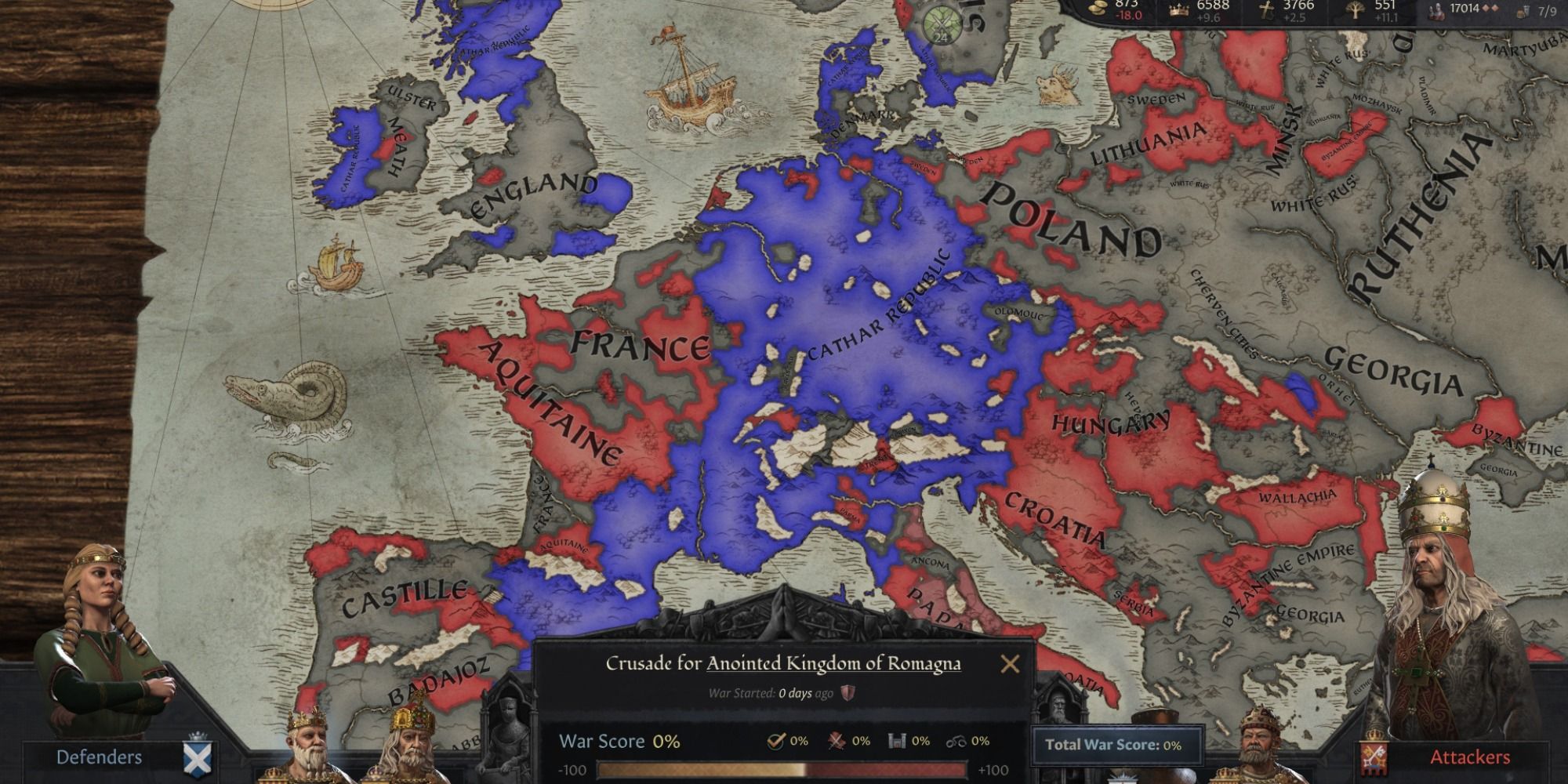
Large-scale wars in Crusader Kings III can be intricate and demanding, necessitating careful planning and execution across various domains. Below is a structured guide designed to enhance your strategies for achieving victory in these conflicts.
—
Key Strategies for Large-Scale Wars
1. Maintain a Robust Economy and Army Reserves
– Gold Reserves: Ensure your treasury has a substantial reserve. A healthy amount of gold allows you to swiftly hire mercenaries or reinforce your troops during a conflict, crucial for shifting the balance in your favor when needed.
– Mercenary Use: Leveraging mercenaries can be a game-changer, especially if the enemy is distracted by another war. Their immediate availability can provide you with an edge during pivotal moments.
2. Exploit Enemy Weakness and Opportunistic Timing
– Strike When Enemies Are Weak: Look for opportunities to declare war on foes engaged in other conflicts or suffering economic hardship, as these enemies will likely have their forces stretched thin.
– Avoid Overlapping Claims: Exercise caution in attacking enemies also being pursued by others. While they may seem vulnerable, competing interests can jeopardize your ultimate goals.
3. Employ Central Position and Divide-and-Conquer Tactics
– Central Position: When facing multiple enemies, try to position yourself centrally to prevent them from joining forces. Divide your army to engage and delay one enemy force while focusing on defeating another, promoting decisive actions against isolated opponents.
– Delay Tactics: Utilize fast-moving units (such as light cavalry) to delay superior forces, buying time for your main army to defeat foes elsewhere.
4. Mega Stack vs. Spread Attack Debate
– Mega Stack Strategy: Some strategists prefer combining all forces into one formidable army. This “mega stack” can decisively engage and dismantle enemy forces but requires managing logistics to prevent attrition in unfavorable terrain.
– Spread Attack Strategy: Others opt for dividing their forces to simultaneously siege multiple territories or protect larger swaths of land. This approach requires astute monitoring of enemy movements to prevent ambushes.
5. Focused Sieging and Selective Engagement
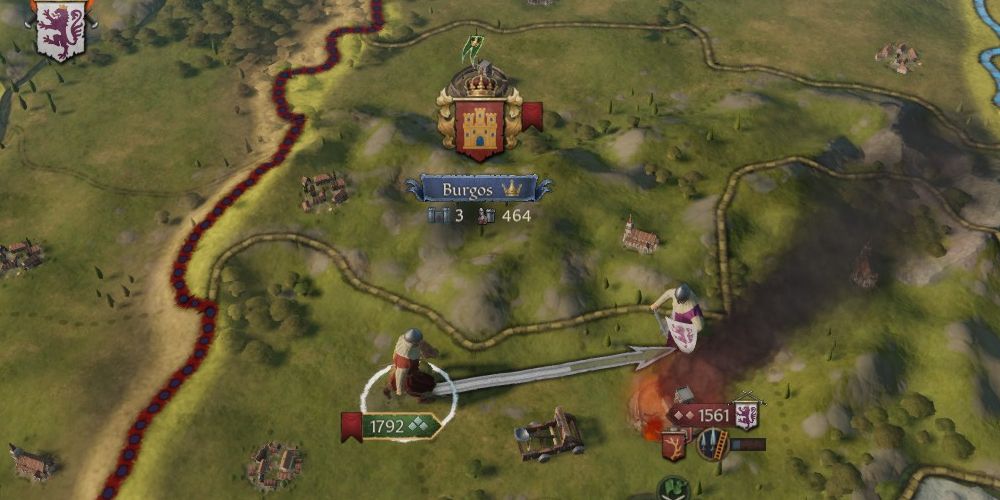
– Siege in Clusters: Concentrate your forces to besiege key holdings in clusters rather than scattering across the map. This ensures quicker captures and enables defending against potential counterattacks.
– Engage Enemies Selectively: Only engage enemy armies when conditions are favorable—such as advantageous terrain, superior numbers, or better commanders. This minimizes unnecessary risks and increases your chances of victory.
6. Maximize Commander and Unit Effectiveness
– Commander Traits: Assign leaders with high martial skills and beneficial traits to maximize your success in battles. Traits can shift the odds considerably due to their influence on critical combat rolls.
– Artifacts and Equipment: Leverage artifacts and specialized weapons available in DLCs to strengthen your forces. Equipping your best commanders and units with optimal gear can lead to greater efficiency on the battlefield.
7. Understand Battle Phases and Terrain
– Battle Phases: Being cognizant of battle phases—maneuver, early, late, and aftermath phases—helps in planning engagements. Understand that losing in the early phase can result in total annihilation.
– Terrain Effects: Always assess terrain before launching attacks. Some terrains provide defensive bonuses or advantages for specific unit types; avoid engaging in adverse conditions unless you are confident in your strategy.
—
Summary Table: Key Choices for Large-Scale War
| Strategy | Pros | Cons/Notes |
|————————-|————————————|————————————|
| Mega Stack | Overwhelming force, decisive wins | Prone to attrition, slow movement |
| Spread Attack/Sieges | Multiple objectives, flexible | Risk of being defeated in detail |
| Central Position | Prevents enemy unification | Requires split forces, riskier |
| Mercenary Use | Rapid reinforcement, flexibility | Expensive, temporary |
| Opportunistic Timing | Capitalize on enemy weakness | Tricky to time, may backfire |
—
Additional Tips
– Logistics and Supply: Maintain awareness of supply limits to avoid attrition. Don’t overstack armies in hostile areas for extended periods.
– Alliances and Call to Arms: Call allies early into the conflict to bolster your forces and redistribute enemy attention.
– War Score Management: Focus on capturing strategic war objectives and winning key battles to enhance your war score, tipping the balance towards victory.
—
By integrating these strategies—economic stability, opportunistic conflict engagement, tactical agility, and thorough understanding of combat mechanics—players can significantly boost their performance in large-scale wars within Crusader Kings III. Embrace these tactics to navigate the complexities of warfare effectively and ensure your dynasty’s success.
Leave a Reply