
Maintaining control over a multicultural empire in Crusader Kings III is a multifaceted challenge that demands careful planning and execution. The strategies outlined below focus on enhancing cultural integration, managing vassal relationships, and making informed decisions within your realm. By applying these approaches, you can maximize stability and prosperity in your empire.
Strategies for Maintaining Control
1. Cultural Acceptance
– Understanding Cultural Acceptance: Cultural acceptance is a vital feature, especially with the introduction of the Royal Court expansion. This metric gauges the coexistence of various cultures within your realm, where higher acceptance levels translate to peaceful interactions and favorable opinions among your vassals and subjects.
– Improving Cultural Acceptance: You can enhance cultural acceptance through several methods:
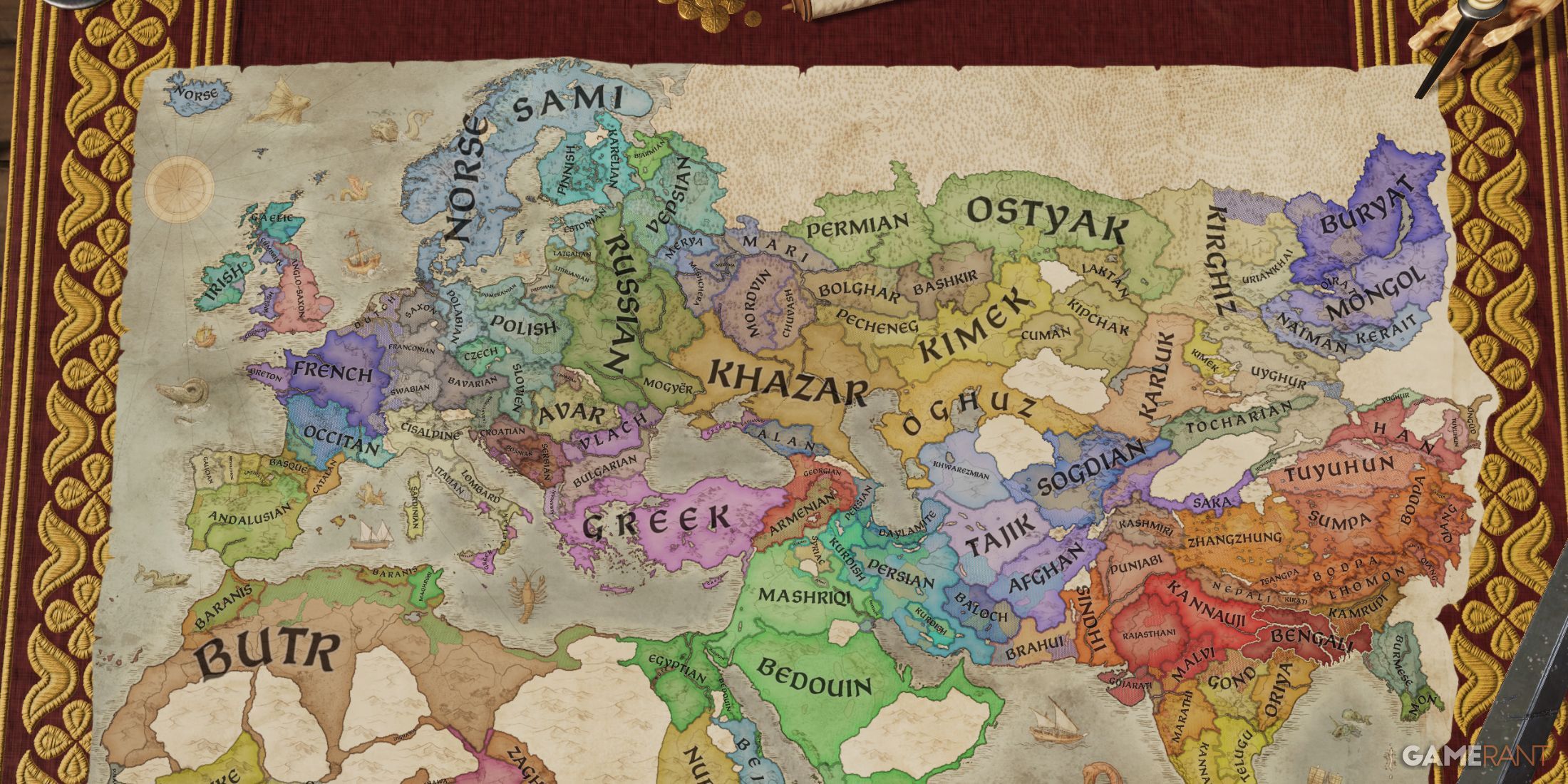
– Shared Heritage: Cultures within the same group (like Norse or Slavs) tend to accept each other more readily.
– Language and Religion: Ensuring that languages and religions align can dramatically improve relations.
– Strategic Marriages: Forming marriages between members of different cultures facilitates kinship ties, enhancing acceptance.
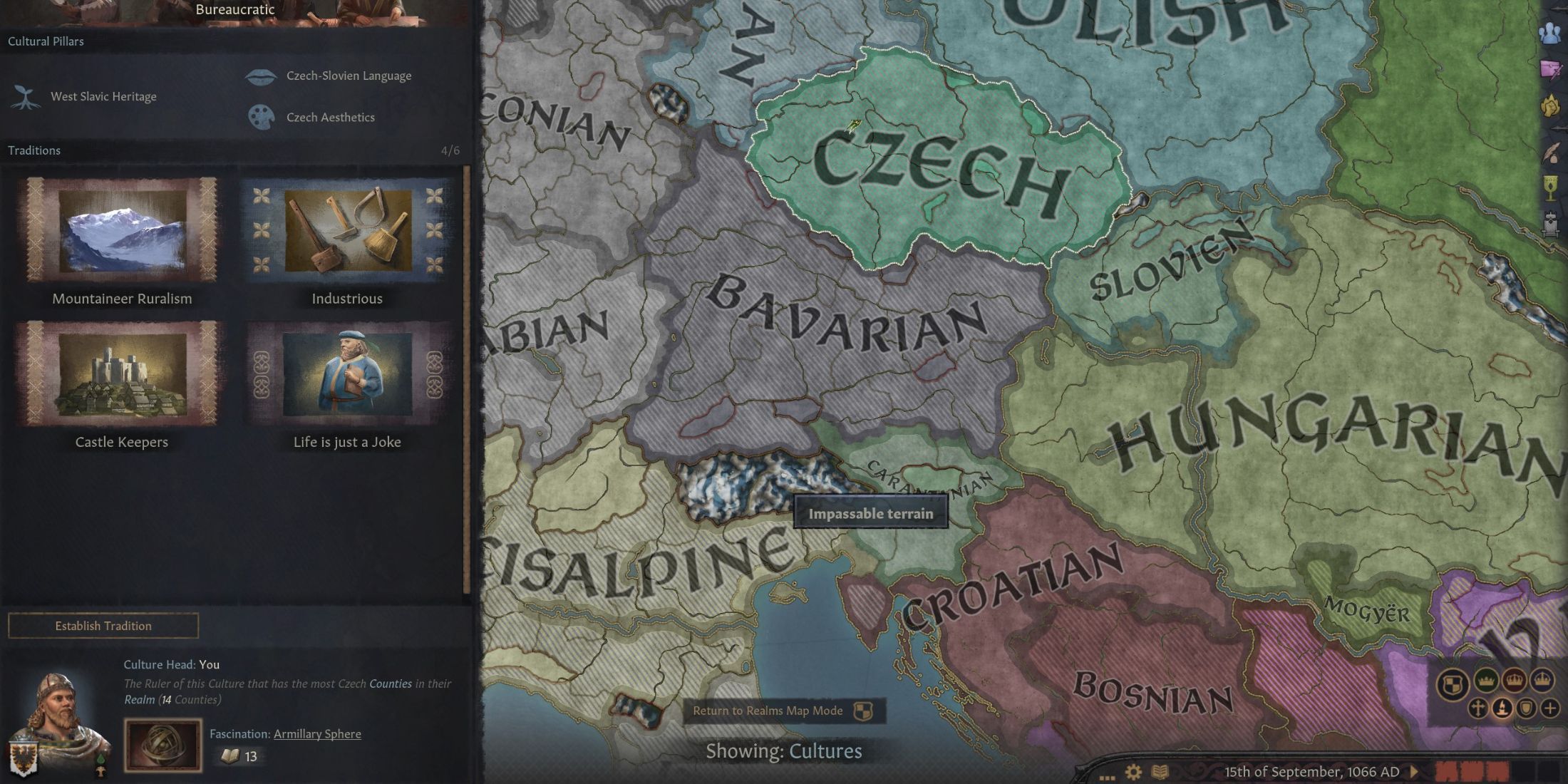
– Cultural Traditions: Promoting traditions that resonate with multiple cultures can create a more inclusive atmosphere within your empire. Assigning titles to culturally diverse vassals can also help.
2. Vassal Management
– Vassal Diversity: A mixed group of vassals can provide balance and prevent any singular faction from becoming too powerful. Distributing lands among vassals of diverse cultures ensures that loyalty is spread and rivalries are moderated.
– Conflict Management: Encouraging minor conflicts between vassals can serve as a distraction that keeps them focused on each other rather than plotting against you. It also prevents them from consolidating power and uniting against your rule.
3. Cultural Conversion
– Promoting a Dominant Culture: Should you wish for a more homogenous realm, you may consider promoting a single dominant culture. For example, if you’re Norse, prioritizing Norwegian culture can reduce the potential for conflict but requires considerable investment in cultural acceptance and conversion rates.
– Costs of Cultural Conversion: Be mindful of the costs and resources involved in cultural conversion, as these processes can be lengthy and may strain your finances and stewardship.
4. Development and Infrastructure
– Local Development: Ensure that the lands held by your vassals are well-developed. Enhanced loyalty and better resource management stem from a competent and rich local infrastructure.
– Support for Innovation: Different cultures can have unique innovations. Encourage local research to enable the construction of buildings and usage of innovations pertinent to those cultures, which can improve productivity and loyalty.
5. Diplomacy and Marriages
– Strategic Marriages: Utilize marriages to strengthen ties with other cultures within your domain. They not only serve to enhance cultural acceptance but also fortify alliances and increase your overall influence.
– Diplomatic Relationships: Establishing and maintaining positive relations with neighboring kingdoms through alliances, non-aggression pacts, or trade agreements can secure your borders and allow you to focus on internal stability, mitigating external pressures.
Conclusion
Successfully navigating the complexities of a multicultural empire in Crusader Kings III hinges on effective cultural integration, thoughtful vassal management, strategic enhancements in development, and astute diplomacy. By understanding and leveraging cultural acceptance, fostering a balance of power among vassals, and making considered decisions regarding cultural dynamics, you can cultivate a thriving and peaceful realm that withstands the tests of time and conflict. With these strategies in mind, you’re well-equipped to maintain control and lead your empire to prosperity.


Leave a Reply