
The “Flying” or airplane mechanic in Cuphead serves as a pivotal gameplay element that significantly alters the dynamics of combat, particularly during encounters with aerial bosses. Below is a comprehensive breakdown of how this mechanic operates and its implications on gameplay strategy:
How the Airplane Mechanic Works
1. Transformation:
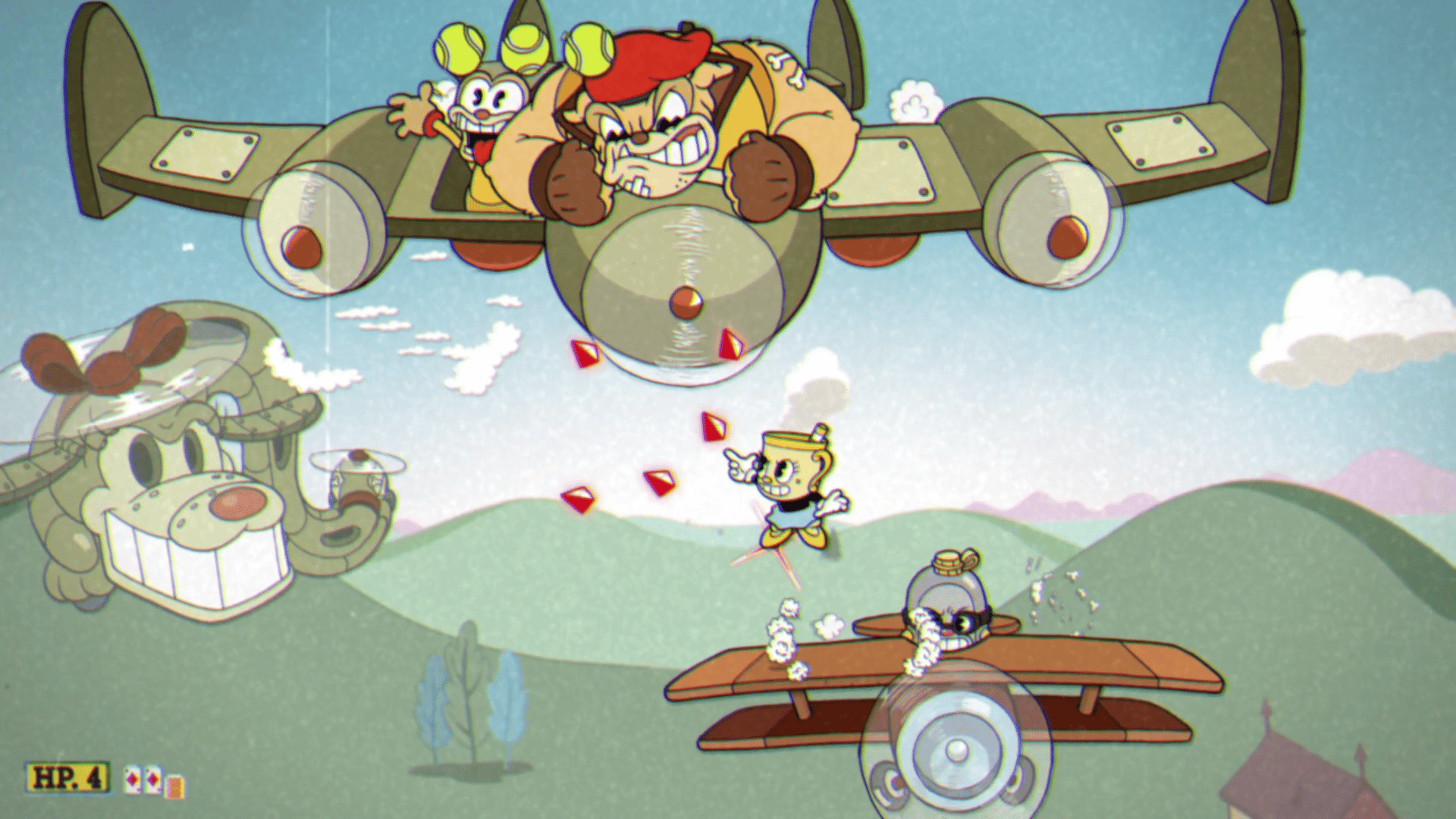
– In Cuphead, players experience a dramatic shift in gameplay when confronting aerial bosses: Cuphead transforms into a mini-plane. This transformation represents a fundamental change from the ground-based mechanics, introducing a distinct set of abilities and challenges.
2. Movement and Agility:
– When transformed into a plane, Cuphead gains increased movement speed and agility, allowing for quick navigation through the air. However, this comes at the cost of reduced firepower compared to his ground form. Land strategies that rely on heavy fire sometimes need to be replaced with more tactical evasive maneuvers.
3. Shooting Mechanics:
– Instead of the regular magical shots, players utilize rapid-fire bullets while in airplane form. Additionally, they can switch to explosive shots that fall downward. This dual shooting mechanism offers players flexibility to choose their attack method based on the immediate circumstances and vulnerabilities of their foes.
4. Parrying Instead of Jumping:
– A notable divergence from ground gameplay is that jumping is replaced by a one-button parrying mechanic. This change encourages players to focus on timing and precision for defense rather than relying primarily on movement which alters the flow of combat engagements.
Changes in Combat Dynamics
1. Aerial Boss Battles:
– The introduction of flying bosses, which are usually found once or twice per island, demands players adapt to new aerial patterns and attack strategies. Each aerial enemy comes with unique attack patterns tailored to exploit the plane’s mechanics.
2. Strategy Shift:
– The airplane form necessitates a strategic shift toward agility and evasion tactics. Players must utilize the plane’s speed to dodge incoming attacks while looking for windows of opportunity to strike. This contrasts with land-based battles, where offense can often overpower enemy defenses.
3. Special Abilities:
– Although the plane lacks the smoke dash that provides invincibility on the ground, modifications in some player communities have introduced similar mechanics for aerial combat. Such adaptations enhance the tactical gameplay but are not part of the original game, highlighting the community’s impact on gameplay variation.
4. Explosive Shots:
– The ability to switch between rapid-fire and explosive shots introduces an extra layer of strategy to aerial combat. Players can tailor their attacks based on the boss’s behavior—quick, high-speed assaults or strategic, heavy damage strikes depending on the situation.
Overall Impact on Gameplay
The airplane mechanic in Cuphead enriches the overall combat experience, infusing it with a layer of complexity and variety. By emphasizing agility, quick reflexes, and adaptive defensive strategies over brute force, it crafts a unique challenge that not only enhances gameplay but also accentuates the game’s artistic design and thematic essence. This dynamic approach to aerial combat creates memorable encounters that keep players engaged and require them to continuously refine their skills throughout the game.
Leave a Reply