
Planning an efficient delivery route in Death Stranding is critical for optimizing your gameplay experience and ensuring successful deliveries with minimal operational setbacks. Here’s a detailed overview of strategic steps and considerations you can implement for effective route planning:
Key Strategies for Efficient Delivery Route Planning
1. Study the Map and Terrain Carefully
Before embarking on a delivery, take some time to analyze the delivery screen and the map’s topography. Familiarize yourself with potential hazards such as BTs (Beached Things), MULEs (hostile porters), and challenging terrain features that include ravines, rivers, and mountainous areas. This initial preparation enables you to equip the appropriate gear and ultimately avoid dangerous or time-consuming detours.
2. Cluster Delivery Orders by Region and Multi-Select Contracts
To minimize backtracking, utilize the Orders menu to group delivery contracts within the same geographical area. By planning routes that encompass multiple drop-off points in the same region, you can streamline your journey, reducing travel time and increasing overall route efficiency. This approach not only conserves resources but also allows for a more productive play session.
3. Optimize Cargo Placement and Weight Distribution
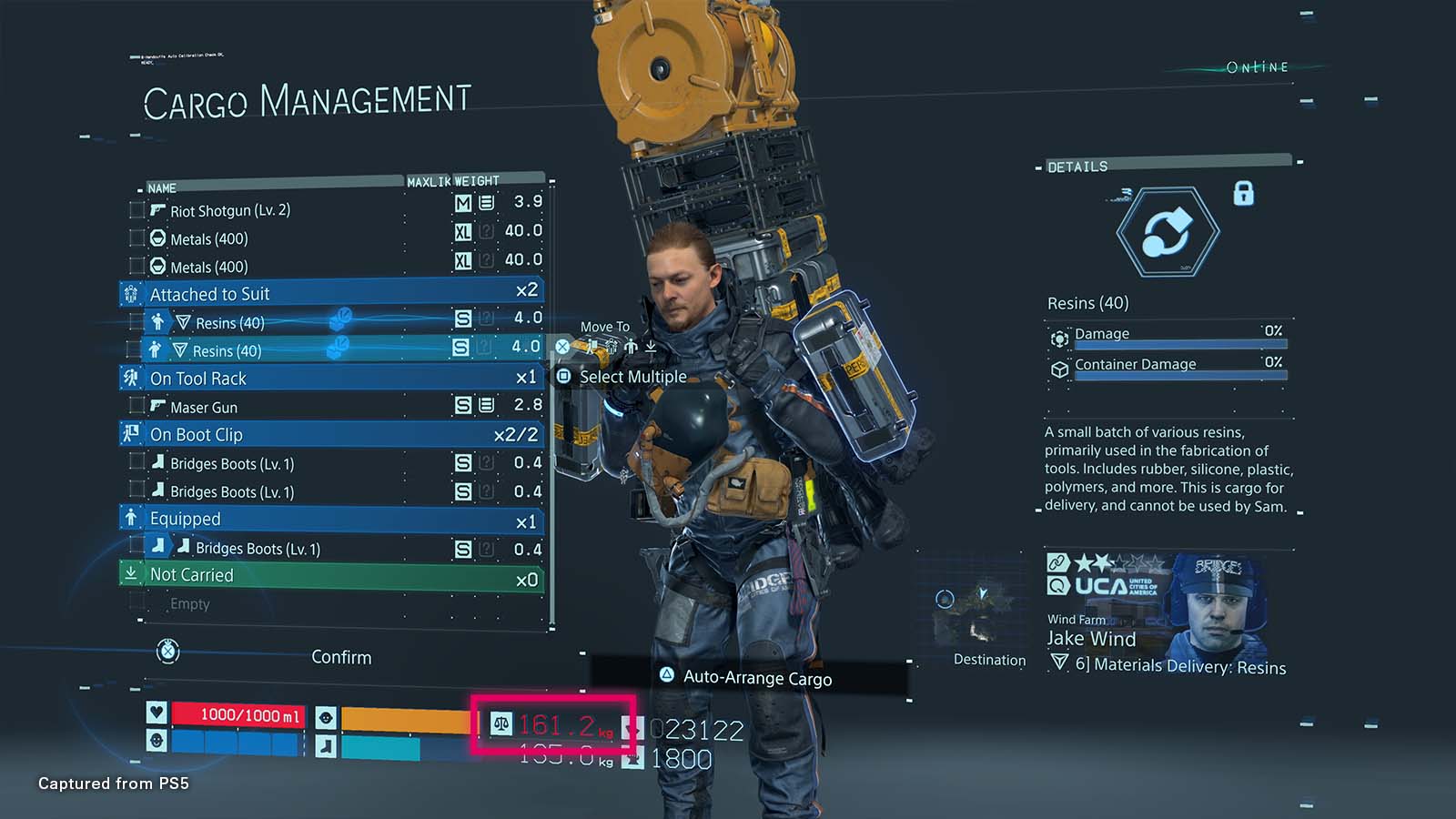
Proper cargo placement is crucial for maintaining balance and stability during transport. Position cargo close to Sam’s center of gravity—ideally in the mid-back area—to prevent falls and maintain agility. Avoid placing heavy items too high to reduce the risk of toppling over. Monitor the weight bar diligently; if it enters the yellow or red zones, consider redistributing or dropping non-essential materials to keep your load light and manageable.
4. Choose Appropriate Equipment and Vehicles Based on Terrain
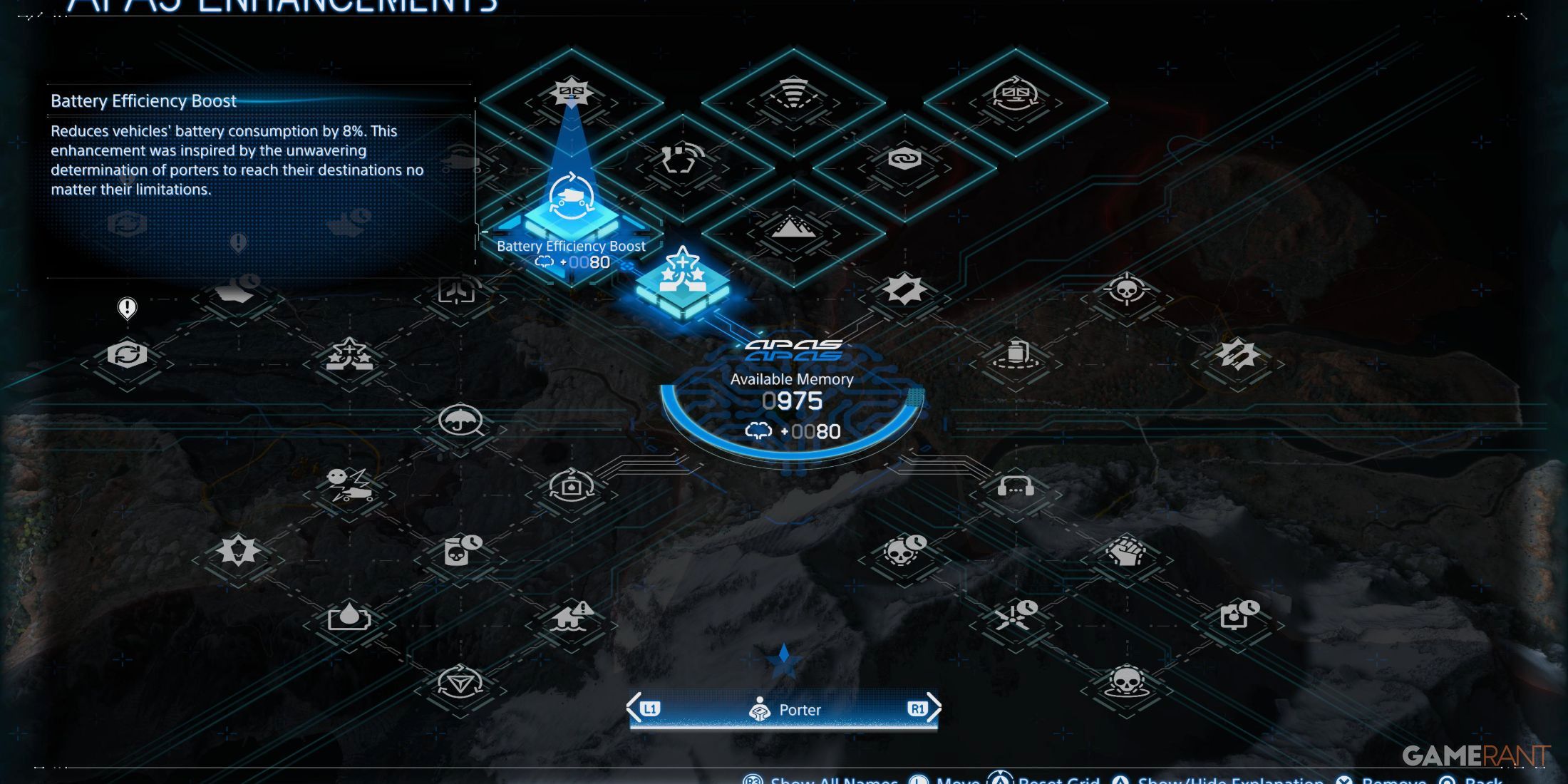
Selecting the right equipment and vehicles is essential for traversing different terrains efficiently. Tools such as floaters and power skeletons can enhance carrying capacity and facilitate movement over rugged landscapes. For long-distance travel on national roads, consider utilizing trucks and trikes; however, be cautious about battery consumption and always keep an eye on your battery levels, ensuring you recharge or switch vehicles as necessary.
5. Use Advanced Movement Techniques
Incorporating advanced movement mechanics, such as double jumping, can significantly speed up your traversal and help clear obstinate obstacles. Mastering these techniques not only enhances your efficiency but also enhances Sam’s overall mobility in various situations.
6. Prepare for Dynamic Environmental Conditions
Environmental factors such as weather changes, terrain shifts, and evolving delivery conditions can impact your journey. It’s essential to continually assess these elements through the map in order to adapt your route and gear accordingly. Being flexible and prepared for unexpected challenges will ensure quicker delivery times and fewer collisions with hazards.
—
By taking these strategic steps—carefully studying the terrain and routes, clustering delivery orders, optimizing cargo, selecting appropriate equipment, employing advanced movement techniques, and preparing for environmental dynamics—you can effectively create efficient, safe, and swift delivery routes in Death Stranding. This comprehensive approach will help preserve your cargo integrity while maximizing rewards and enhancing your overall gameplay experience.


Leave a Reply