
Destiny 2’s narrative structure is a testament to the game’s ability to evolve and engage players through its innovative episodic storytelling model. Each season functions like an individual episode in a larger series, allowing for a focused story arc that contributes to the overarching lore while exploring character development and thematic elements. This episodic framework keeps the narrative dynamic and captivating, as players can partake in stories that resonate with both immediate conflicts and larger, persistent threads throughout the Destiny universe.
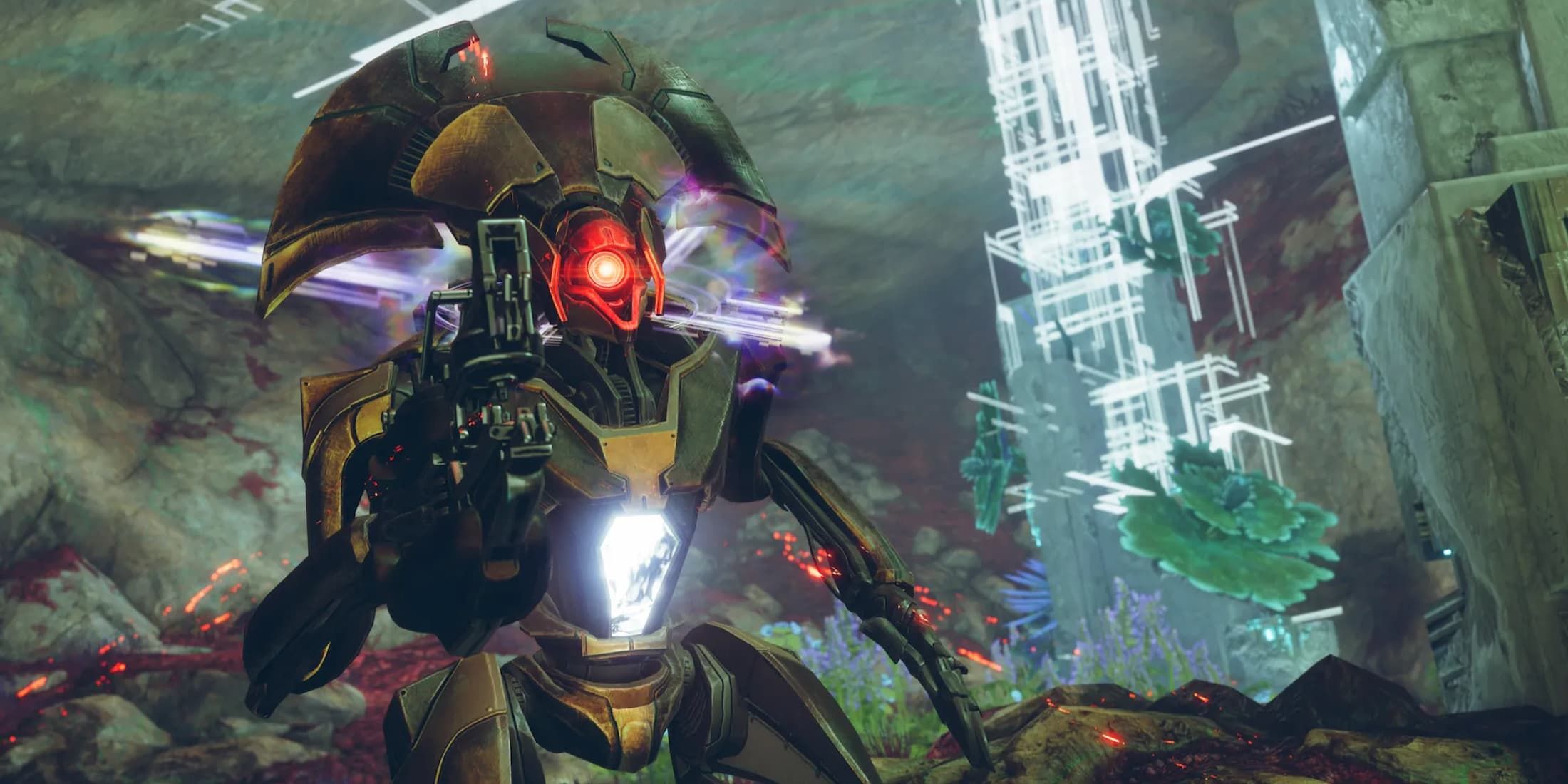
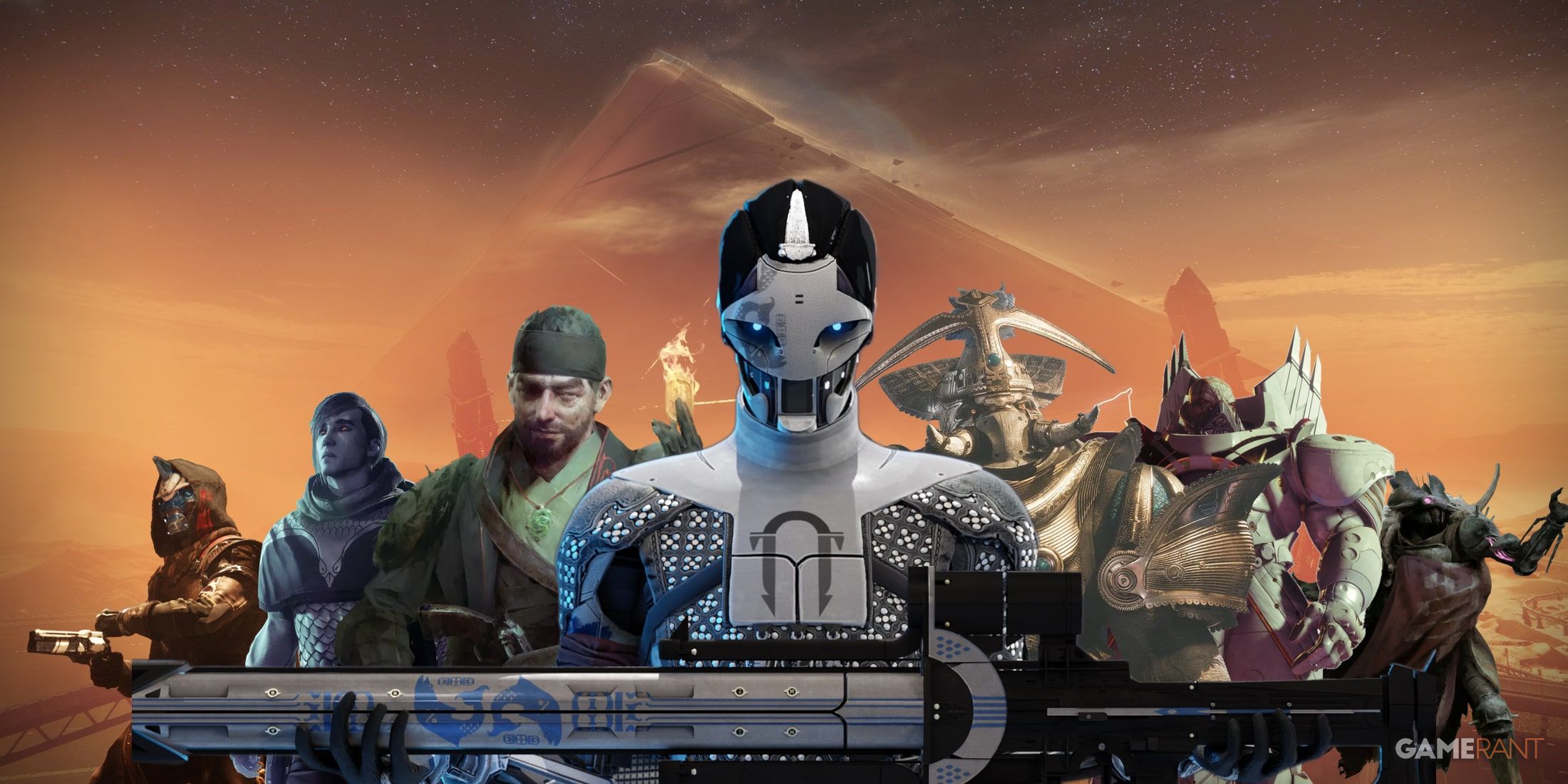
The integration of seasonal content with ongoing themes within the game enriches the player’s experience. For instance, the Season of the Splicer highlighted themes of inclusion through a partnership with the Fallen, reflecting the ongoing struggle for unity in a divided universe. Meanwhile, the Season of the Lost acted as a direct narrative precursor to the Witch Queen expansion, delving into the cunning manipulations of Savathûn and her connection to the mysterious forces of Darkness. These seasonal narratives not only deepen immersion but also lay the groundwork for future expansions, ensuring that players are continuously engaged with a living story that evolves with them.
Raids serve as a pivotal mechanism within this narrative framework, acting as both gameplay challenges and significant story elements. They often push forward major plot developments and introduce new characters and conflicts that resonate throughout a season. For example, raids from the Season of the Hunt and Season of the Splicer not only tested the teamwork and skill of players but also introduced crucial lore elements that expanded the Destiny narrative landscape. This integration of high-stakes gameplay with storytelling ensures players are not just observers of the lore but active participants in its unfolding.
Moreover, Destiny 2 successfully weaves player actions and recurring gameplay mechanics into the larger narrative fabric. The inclusion of in-world explanations for elements like respawning and PvP battles lends a layer of realism and cohesiveness to the game. Even activities that may initially seem trivial or repetitive are embedded within the lore, enhancing the immersive quality of the experience. This thoughtful connection between gameplay and story creates a seamless narrative universe that respects the player’s journey while aligning with real-world time progression.
In summary, Destiny 2’s approach to seasonal storytelling fosters a rich and evolving narrative experience:
– Self-Contained Narrative Arcs: Each season offers a unique story while contributing to larger ongoing narratives.
– Thematic Resonance: Seasonal content reflects current conflicts and lore that engage players with familiar and emerging storylines.
– Raids as Narrative Catalysts: Raids play a crucial role in both gameplay challenge and story progression, revealing essential plot points and character developments.
– Integrated Gameplay Mechanics: The game’s storytelling incorporates gameplay mechanics and player actions, enhancing immersion within the Destiny universe.
This sophisticated model of integrating seasons and content keeps Destiny 2 fresh and engaging, allowing players to partake in a continuously expanding narrative experience that feels both immediate and expansive. By leveraging episodic storytelling, Bungie ensures that players remain invested in the Destiny universe, driven by both the narrative and the gameplay intricacies that come together within this ever-evolving digital world.

Leave a Reply