
In Divinity: Original Sin II, the Bartering system is a crucial Civil Ability that enhances players’ interactions with vendors, allowing for more strategic financial management as they buy and sell items throughout their adventures. Understanding how this system works can significantly impact your success in acquiring gear and resources necessary for your journey.
How Bartering Works
When Buying Items:
The Bartering skill decreases the vendor’s base price for items. For example, with a Bartering level that results in a 50% discount, an item that typically costs 100 gold will only set you back 50 gold. This can lead to substantial savings, especially when purchasing high-value gear or supplies.
When Selling Items:
The mechanics for selling items are somewhat less intuitive. The price that vendors pay for items increases according to the formula \( \frac{1}{1 – \text{discount}} \). Therefore, if you possess a 50% discount due to your Bartering level, vendors will buy items from you at 200% of their base selling price. This effectively means that for every item sold, you stand to earn double the standard value.
Levels and Effects
Investing points into the Bartering ability progressively enhances your trading efficacy. Each level contributes to a greater percentage of discounts on purchases and markups on sales. For instance:
– Level 1 Bartering may offer around a 3.7% reduction in the amount spent.
– As you continue to invest, these benefits scale up, ultimately reaching a maximum level of 5, where discounts and selling prices are at their peak.
Additional Factors Influencing Bartering
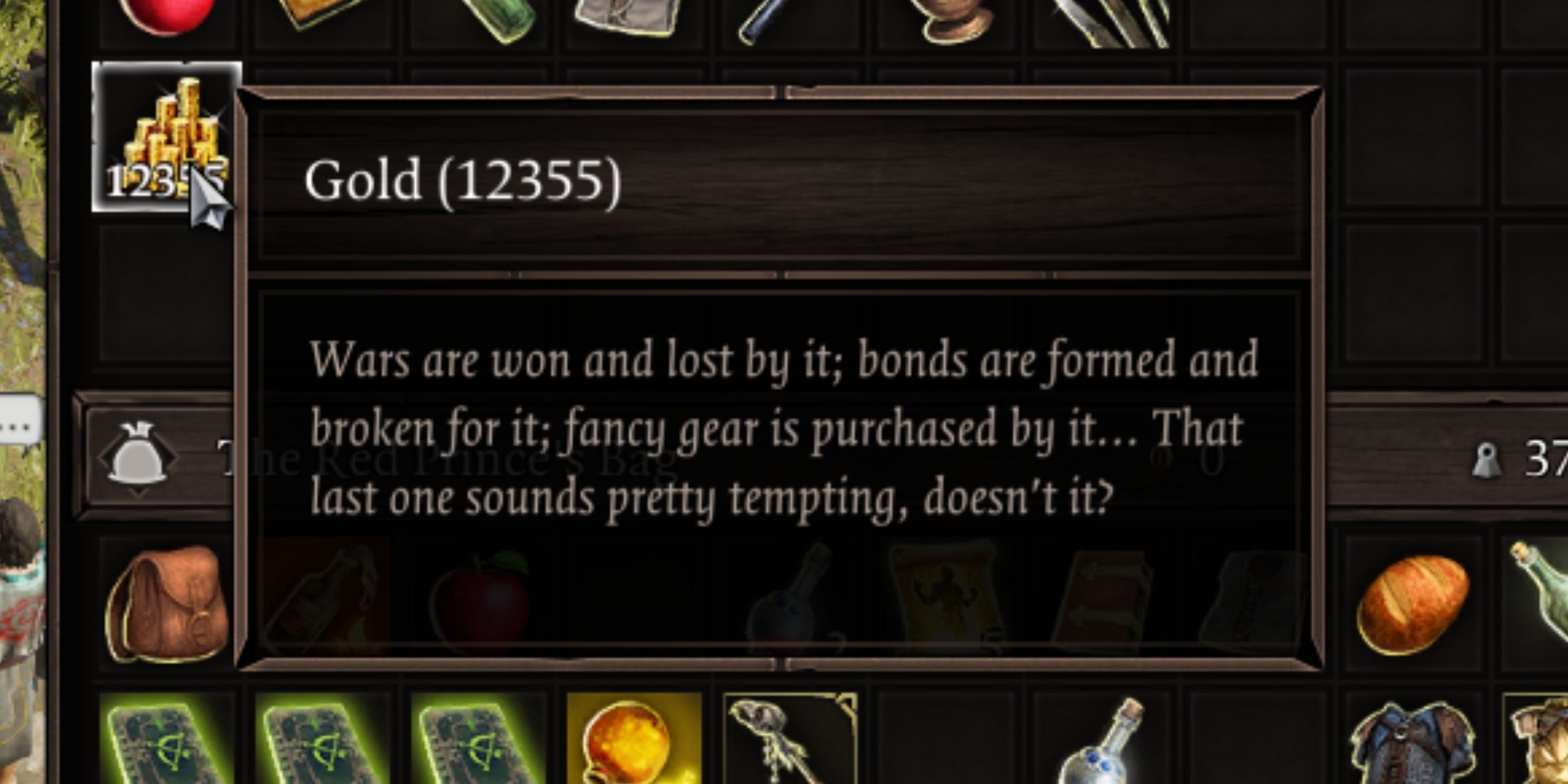
1. Merchant Attitude/Favor: The relationship you cultivate with merchants can significantly sway prices. If you choose to give merchants extra gold, even beyond the cost of items, you might gain favor, leading to improved discounts and better selling prices in future transactions.
2. Reputation: Your overall reputation plays a vital role too. A lower reputation or a generally negative attitude from merchants can diminish the advantages conferred by your Bartering skill.
3. Haggling Mechanics: Successful haggling not only involves Bartering but also leveraging positive interactions and relationships with merchants. Engaging in favorable trades can maximize your profit margins.
Practical Tips
– Invest Early and Often: Prioritizing points in Bartering is particularly advantageous as you progress deeper into the game, where item costs escalate.
– Enhance Item Value: Consider crafting, repairing, or using other methods to elevate the value of items before selling them, which can significantly boost your profits.
– Build Merchant Relationships: Giving a bit more gold upfront when dealing can create goodwill with vendors, amplifying the benefits of Bartering in subsequent sales.
Conclusion
In summary, mastering the Bartering system is fundamental for thriving in Divinity: Original Sin II. It not only reduces the costs associated with buying items but also amplifies the returns on items sold, reinforcing the importance of investing in this Civil Ability. By nurturing relationships with NPCs, managing your reputation, and strategically utilizing Bartering, you can significantly enhance your trading prowess within the game.



Leave a Reply