
Turn-Based Combat System in Divinity: Original Sin II
The turn-based combat system in Divinity: Original Sin II offers a rich, strategic experience that demands careful thought and deliberate planning. Here’s a comprehensive examination of its core mechanics and strategic elements.
Action Points (AP)
– Definition: Each character operates within a framework defined by Action Points (AP), which dictate the number of actions a character can perform during their turn.
– Usage: Players utilize AP for a variety of actions, including movement, attacking enemies, casting spells, and interacting with environmental elements. Striking a balance in AP expenditure is essential; using it too quickly can leave characters vulnerable, while conserving it might result in missed opportunities.
– Limitations: A character’s AP is capped for each turn, pushing players to prioritize their actions based on immediate threats and long-term strategic goals. Understanding how to maximize AP efficiency can turn the tide of battle.
Initiative
– Role in Combat: Initiative plays a critical role in determining the sequence of actions during combat. Higher initiative scores allow characters to act sooner, influencing both offensive and defensive strategies.
– Impact: Characters with higher initiative can move and react to situations more quickly, granting them an advantage in manipulating the flow of combat. Players must weigh the benefits of investing in initiative against other stats that enhance direct combat effectiveness.
– Strategic Consideration: Initiative affects a character’s ability to dominate the battlefield by allowing for early strikes or defensive repositioning, emphasizing the importance of this stat in crafting a robust combat strategy.
Combat Mechanics
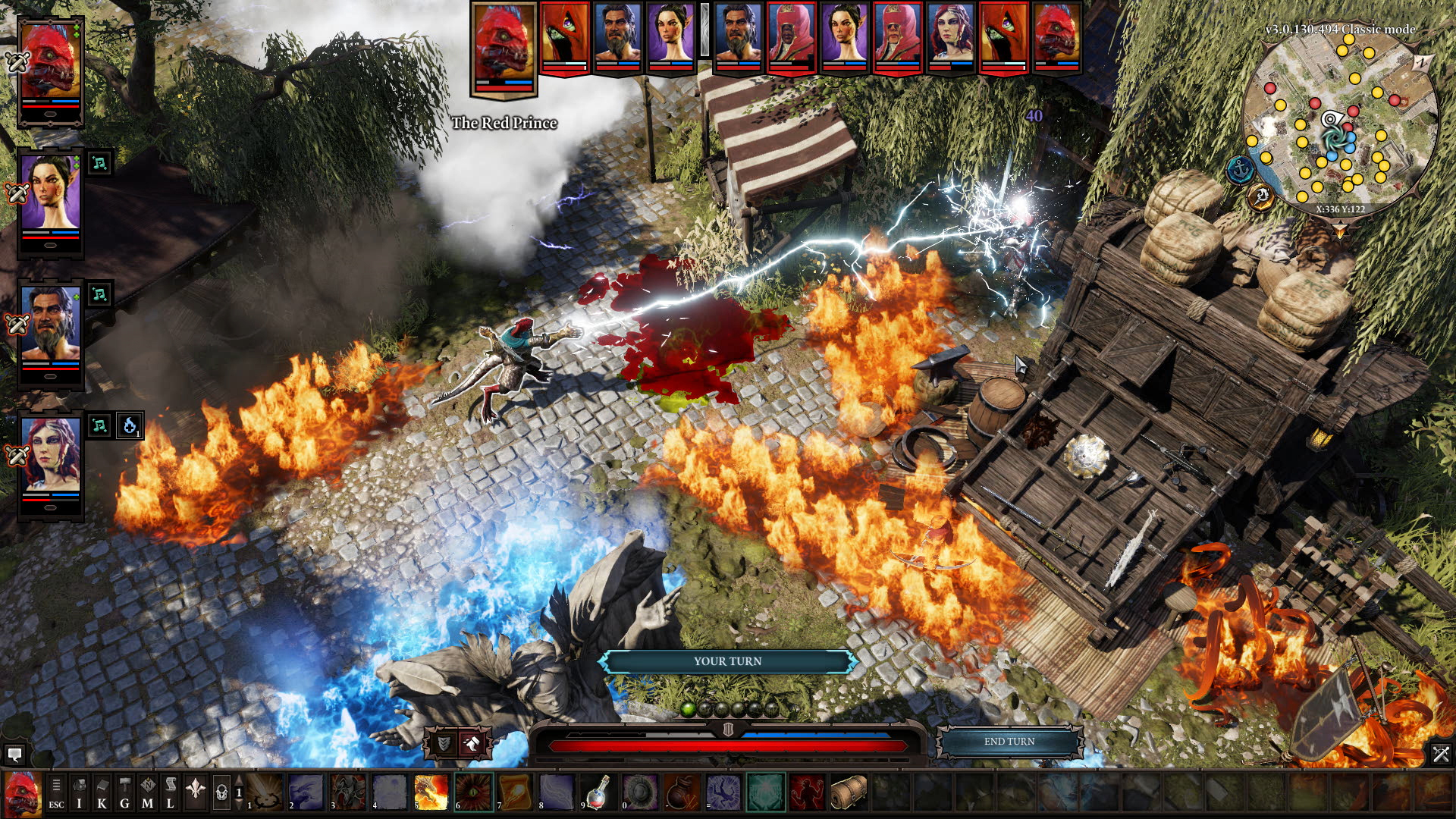
– Turn Structure: Each combat encounter unfolds in distinct turns where characters act based on their initiative. The orderly nature of turns facilitates strategic planning and consideration.
– Environmental and Status Effects: The battlefield in Divinity: Original Sin II is alive with possibilities, featuring terrain that influences movement and attack efficacy. Environmental factors, such as elevation, can provide tactical benefits, and status effects like freezing or burning can sway combat dynamics dramatically.
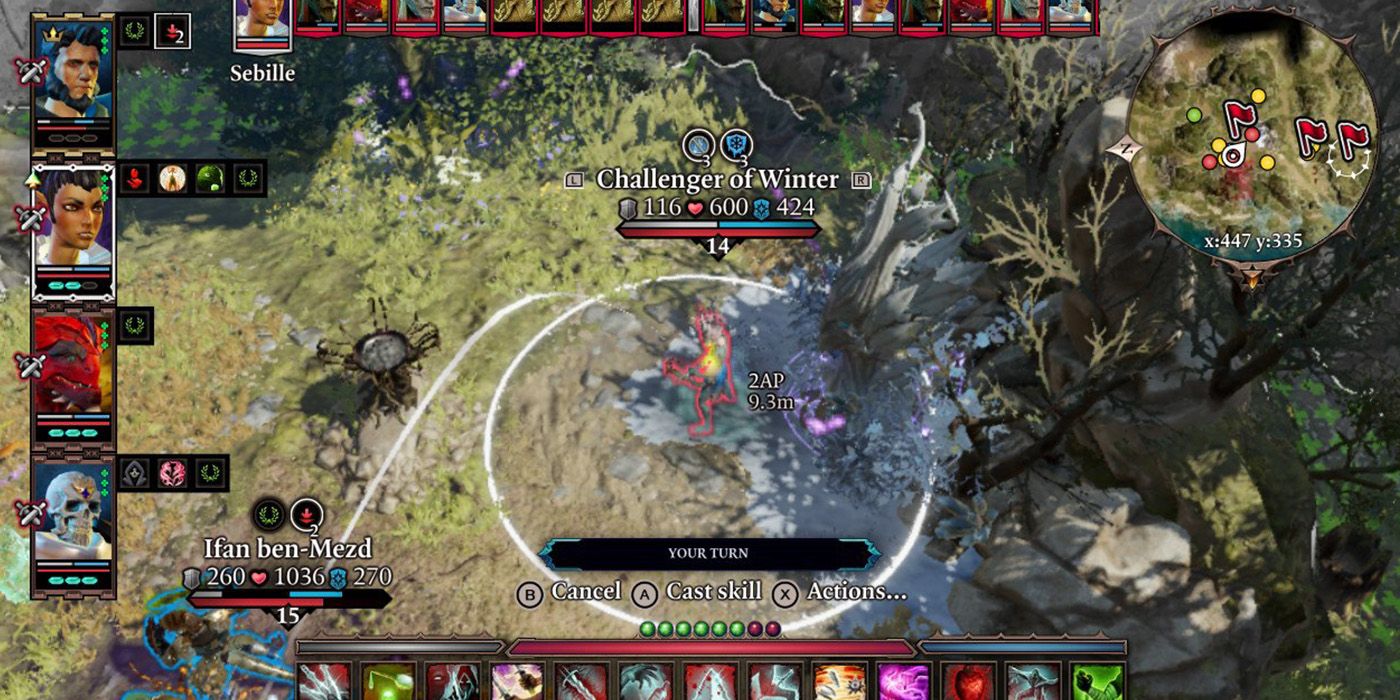
– Defense and Health System: Characters exhibit three forms of defense: Physical Armour, Magic Armour, and Health. Each type functions differently:
– Physical Armour absorbs physical attacks and must be depleted before health is affected.
– Magic Armour serves the same function for magical attacks.
– Managing these defenses effectively is vital; a sound understanding of opponent abilities can guide whether to attack their Physical or Magic Armour first.
Strategic Elements
– Positioning and Terrain Advantage: Successful combat heavily relies on positioning. Goals include gaining high ground for increased damage output and accuracy, as well as using the environment to shield characters or herd enemies into disadvantageous positions.
– Party Management: Building a balanced team is paramount. Considerations include whether to focus on a party that specializes in physical damage, magical prowess, or a blend of both. Synergy between party members’ abilities can lead to potent combo attacks.
– Adaptability: Flexibility in tactics is rewarded. Players must assess and modify their approaches based on enemy types, the battlefield layout, and ongoing combat developments. The ability to pivot tactics mid-fight can lead to greater success.
Game Flow
– Transitioning From Real-Time to Turn-Based: The shift from real-time exploration to a turn-based system marks a significant gameplay change, allowing players to engage in tactical planning before executing their commands during combat.
– Multiplayer Options: The turn-based system accommodates solo play as well as cooperative multiplayer modes, enabling up to four players to team up. This cooperative dynamic encourages communication and coordination, enhancing the overall tactical experience.
Conclusion
In summary, the turn-based combat system in Divinity: Original Sin II is a nuanced blend of strategy and tactical decision-making. Players must navigate a variety of mechanics—such as AP management, initiative, environmental factors, and party dynamics—to achieve victory. This complexity not only enhances engagement but also ensures that each battle presents fresh challenges and opportunities for creative problem-solving.


Leave a Reply