
In Divinity: Original Sin II, puzzles and environmental challenges are not just obstacles but integral components that enrich the exploration and narrative aspects of the game. These puzzles encourage players to engage deeply with the environment and utilize various mechanics that reflect the game’s intricate systems. Here’s a detailed overview of the different types of puzzles and how they function within the gameplay:
1. Environmental Interaction Puzzles
These puzzles require players to manipulate the game’s elemental systems, using elements like fire, water, poison, air, and earth in imaginative ways. The interactions between these elements can create complex scenarios that need to be navigated carefully. For instance:
– Fire can spread over oil, causing damage or igniting other elements.
– Water can act as a conduit for electricity, allowing players to create dangerous traps for enemies.
– Poison can be ignited, turning hazardous areas into powerful weapons against foes.
Players must cleverly exploit these elemental interactions to solve challenges, making it crucial to understand the environment and the elemental properties at play.
2. Elemental Shrine Puzzles
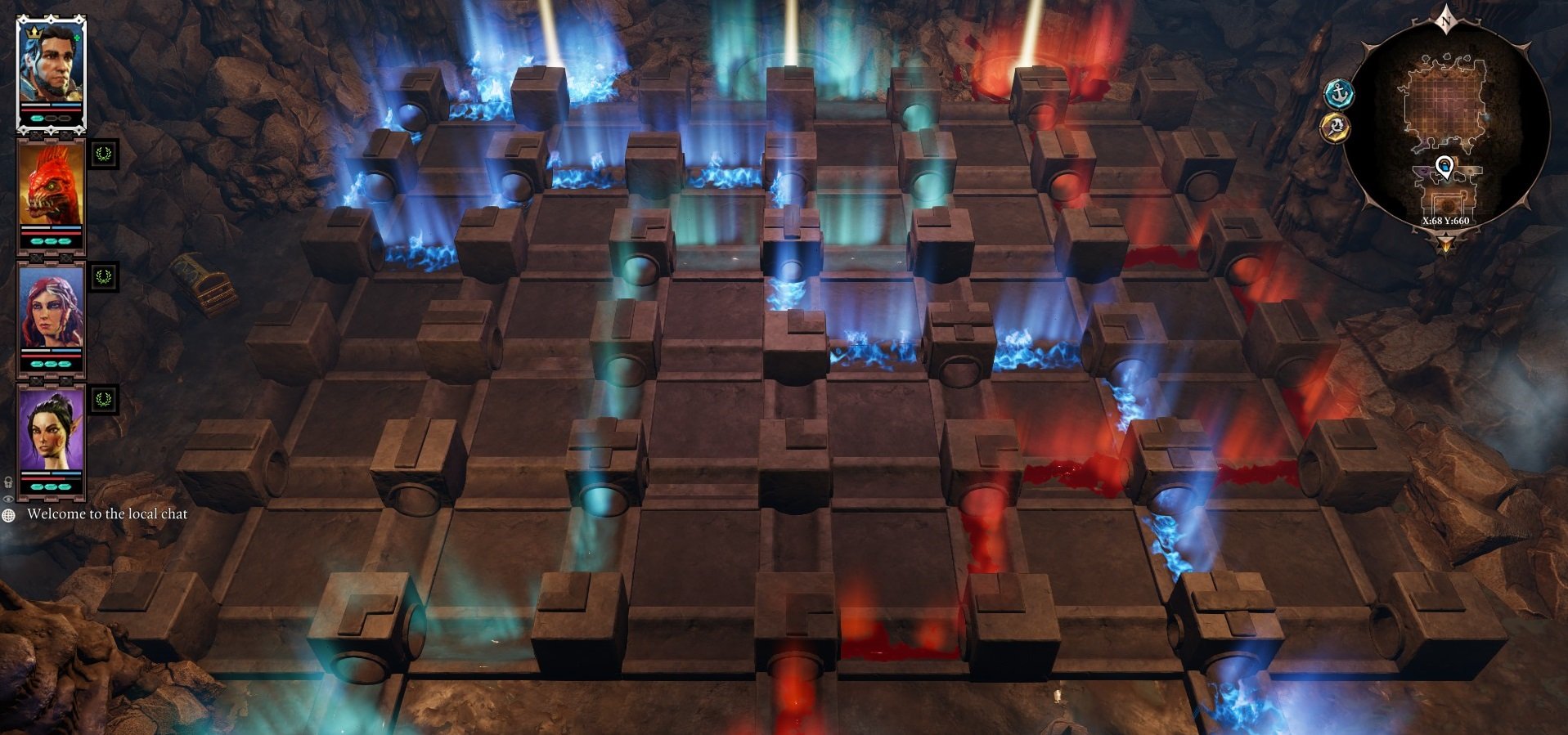
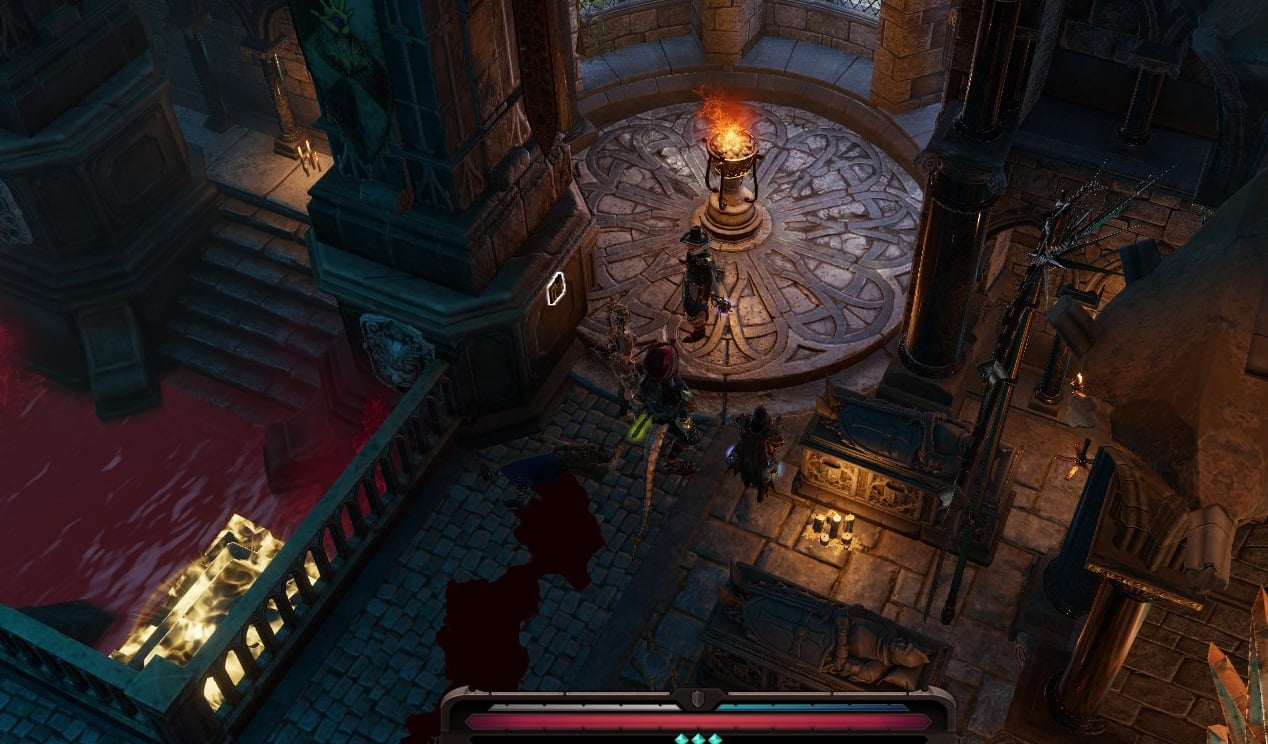
One of the standout examples of puzzle design is found in the Ancient Temple, where players need to activate elemental shrines in a specific order. Each shrine corresponds to a different god and elemental power—such as Earth, Air, Blood, and Fire. To successfully solve this puzzle, players must:
– Analyze clues and riddles found in nearby books or texts.
– Determine the correct sequence based on the clues given.
Successfully activating the shrines not only progresses the storyline but may also unlock new areas or allow players to face challenging bosses, blending storytelling with puzzle-solving.
3. Pressure Plate and Platform Puzzles
Regions like Luculla Forest incorporate more straightforward spatial puzzles, often involving pressure plates. Players need to:
– Step on specific floor plates in the correct order to trigger mechanisms.
– Use careful observation and sometimes teamwork if playing in multiplayer mode to succeed.
These puzzles may seem simpler but are designed to challenge players’ spatial reasoning and observation skills, providing a satisfying sense of accomplishment once solved.
4. Quests Involving Puzzle Elements
Puzzle-solving is deeply embedded in both main and side quests throughout the game. These often include tasks that require:
– Exploration to find items or clues.
– Manipulating objects in the environment, such as deciphering inscriptions or activating devices in a certain sequence.
These quest-based puzzles are not always straightforward; they often tie into the overarching narrative or add depth to character interactions, enhancing the storytelling experience while providing a challenge.
Conclusion
Overall, Divinity: Original Sin II exemplifies a rich and varied approach to puzzle design, blending environmental interactions with logical reasoning and creative problem-solving. By using the elemental systems and engaging with the world, players are encouraged to think strategically, fostering a sense of discovery and accomplishment. This comprehensive puzzle design not only adds layers to gameplay but also serves to illustrate the game’s central themes of magic, strategy, and exploration. Whether through elemental manipulations, intricate riddles, or interactive quests, players will find the challenges both rewarding and integral to their journey in this expansive RPG.

Leave a Reply