
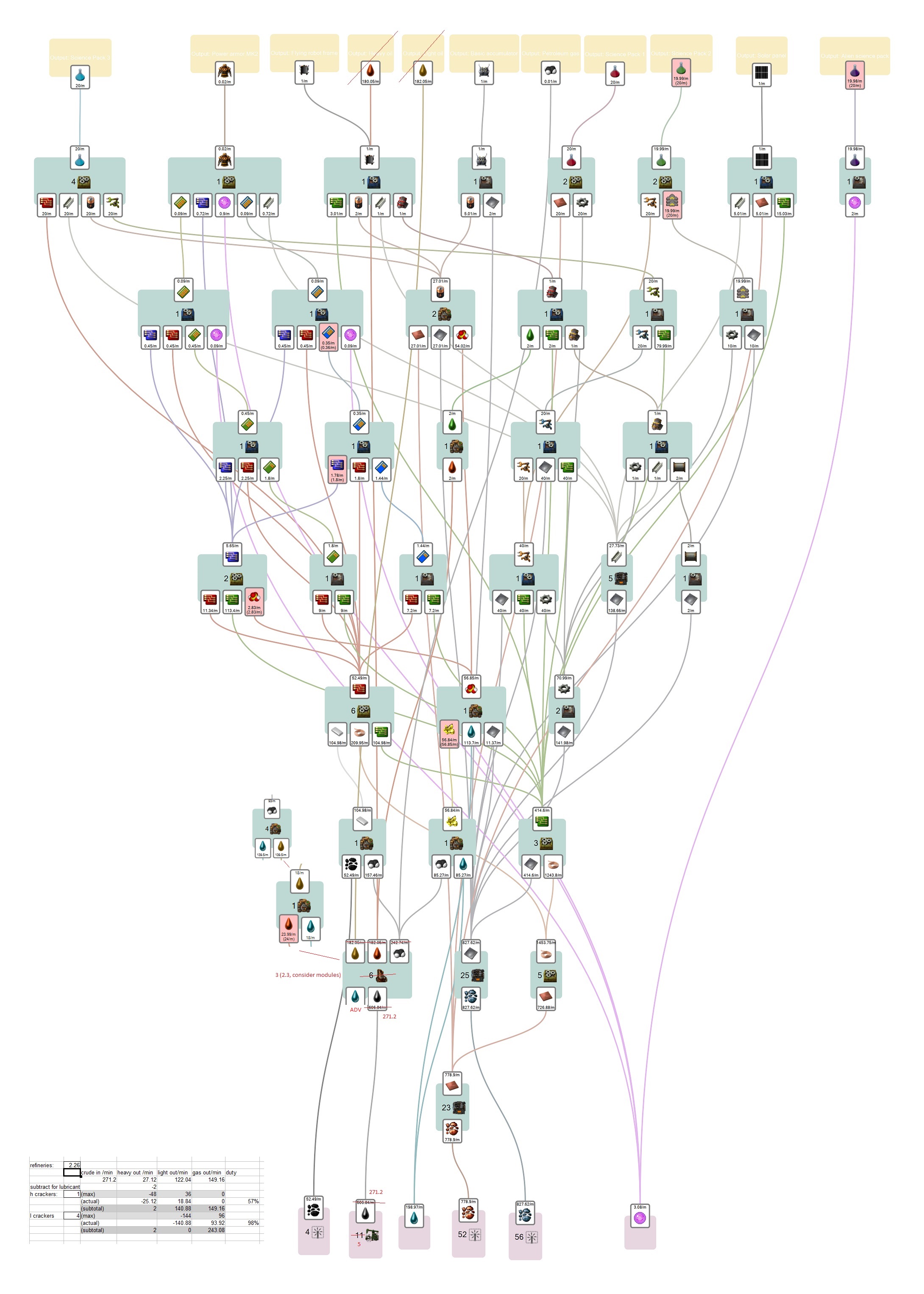
Scaling up production in Factorio to support larger and more complex items such as science packs and rocket components is crucial for advancing your factory and achieving your objectives. Here’s a comprehensive guide to help you effectively manage this growth:
Understanding the Basics
1. Resource Management:
– Identify Key Resources: Catalog all necessary raw materials, including ores (iron, copper), fuel (coal, oil), and processed materials (steel, circuits).
– Resource Gathering: Establish mining operations or logistics systems that connect your factories to resource-rich areas.
2. Inventory and Logistics:
– Inventory Systems: Utilize chests (wooden, steel, and logistic chests) to manage raw materials and finished goods. Buffers help prevent shortages.
– Transport Systems: Deploy conveyor belts and inserters strategically to facilitate the smooth movement of resources between your production areas.
3. Assembly Machines:
– Upgrade Path: Transition from basic assembly machines to advanced versions (Mark II & III) to enhance production speed and efficiency. Ensure to implement higher-tier machines for the production of complex items.
4. Modules and Efficiency:
– Effective Module Use: Incorporate productivity modules to increase output or speed modules to enhance speed. Balance module selection according to your immediate needs (e.g., productivity for high-demand items vs. speed for assembly operations).
Scaling Up Production
1. Mining and Resource Extraction:
– Maximize Mining: Utilize productivity modules on mining drills and research technologies that enhance mining efficiency.
– Streamlined Distribution: Deploy a network of transport belts and ensure they deliver resources to areas of high demand without delay.
2. Intermediate and Advanced Production:
– Smelting Operations: Increase your smelting capacity by using electric furnaces, which are more efficient than traditional furnaces. Set up multiple smelting stations to ensure a consistent supply of output.
– Advanced Material Production: Focus on producing intermediate goods such as steel, advanced circuits, and processing units. These require more complex setups, so ensure you have infrastructure in place.
3. Assembly and Manufacturing:
– High-Tier Assembly: Continuously upgrade your assembly machines as your factory expands to maintain effective output rates.
– Optimize with Modules: Use productivity and speed modules in relevant assembly operations based on the production goals set for your factory.
4. Logistics and Supply Chain Management:
– Resource Flow Management: Regularly assess and adjust your belts and chest configurations to ensure a steady and balanced flow of materials through your factory.
– Advanced Circuit Logic: Implement circuit network logic to automate supply and avoid overproduction or resource bottlenecks.
5. Power Generation:
– Sufficient Power Infrastructure: Analyze energy demands frequently and expand your power setup with solar panels, wind turbine farms, or shift to nuclear power as your power needs grow.
– Redundant Power Sources: Incorporate backup systems to prevent production pauses during power shortages.
6. Science and Research:
– Prioritize Key Technologies: Focus on unlocking crucial technologies that improve production capabilities, such as resource efficiency, faster assembly, and advanced circuit designs.
– Expand Science Production: Increase the number of science labs, ensuring that you have a constant supply of materials necessary for science pack production.
7. Rocket and Space Components:
– Component Manufacturing: Designate specific production lines for rocket-related components. Make sure you have stockpiles of resources needed for rocket silos and rocket parts.
– Preparation for Launch: Preemptively build inventories of necessary components before initiating rocket assembly, ensuring a smooth and rapid launch process.
Additional Tips for Success
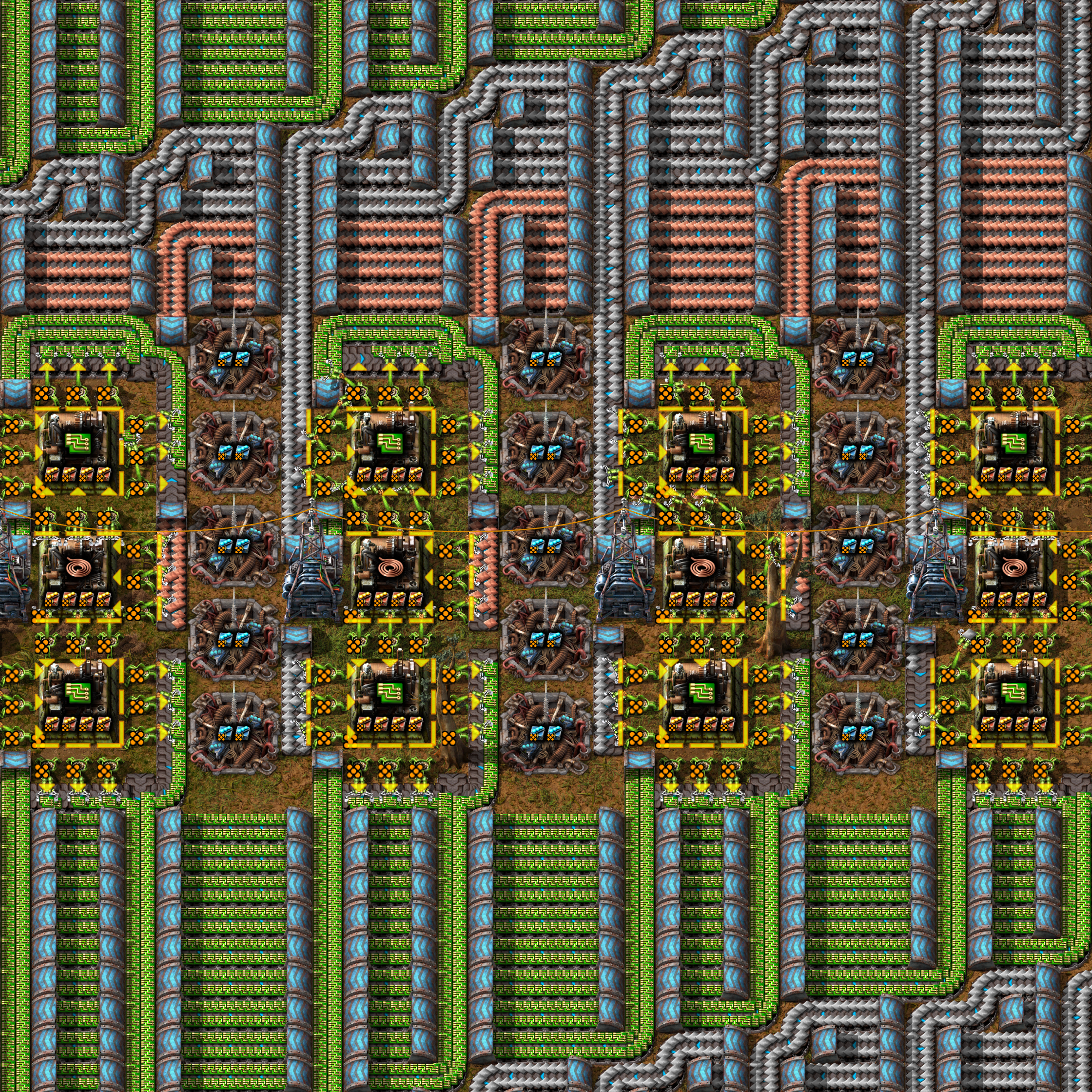
– Modular Factory Design: Structure your factory in segments that are easily expandable, allowing for efficient scaling and reconfiguration. For example, create dedicated production areas for smelting, assembly, and logistics.
– Embrace Automation: Utilize robots for logistics where feasible and implement trains for transporting goods over long distances to minimize manual tasks.
– Continuous Monitoring: Regularly check for production bottlenecks. Use analytics to adjust production lines and maintain efficiency in resource usage.
By systematically applying these strategies and continuously optimizing processes, you’ll not only scale up your production capabilities in Factorio but also set the foundation for further advancements in your factory.
Leave a Reply