
Expanding your factory in Factorio is an exciting challenge that involves strategic planning and foresight. Below are several detailed strategies to facilitate a smooth and efficient expansion process.
1. Main Bus Strategy
– Description: The main bus is a vital transport system that centralizes the flow of materials throughout your factory. It typically consists of multiple transport belt lines organized into a bus layout for easy access to various resources.
– Benefits: This design allows for streamlined expansion, as new production lines can be added effortlessly on either side of the main bus. It provides a flexible platform to modify resource inputs and outputs as needed.
– Considerations: Keep in mind the costs associated with long runs of belt systems. Over long distances, consider transitioning to train systems for material transport to mitigate costs and improve efficiency.
2. Leave Space for Expansion
– Principle: Adequate spacing is essential between various factory components. Design your factory with future growth in mind, which will allow you to add additional production facilities without disrupting current operations.
– Application: This principle is vital for both the main bus and production areas; it will enable seamless integration of new machines or production lines as demand for products evolves.
3. Specialized Production Areas
– Strategy: Establish dedicated zones for specific types of production, such as electronics (e.g., green circuits) or science packs.
– Benefits: These specialized areas enhance production efficiency and allow you to optimize resource allocation. By grouping related processes, you can manage and expand production lines more effectively without impacting other operations.
4. Automate Construction and Logistics
– Automation: Invest in automating the production of essential items like miners, assemblers, and inserters using assemblers.
– Logistics: Implement logistic robots to manage transport and inventory, enabling components to move automatically between production sites.
– Benefits: This leads to higher production speeds and reduces the need for manual inventory management, allowing for a more significant output and quicker expansions.
5. Efficient Resource Management
– Oil Processing: Transition to Advanced Oil Processing to optimize oil product efficiency. Incorporate cracking stations and storage solutions to manage output effectively.
– Resource Flow: Utilize splitters and merging belts to maintain a continuous flow of resources into production lines. This prevents bottlenecks that can hinder production efficiency, particularly as you scale up operations.
6. Minimize Pollution in Expansion
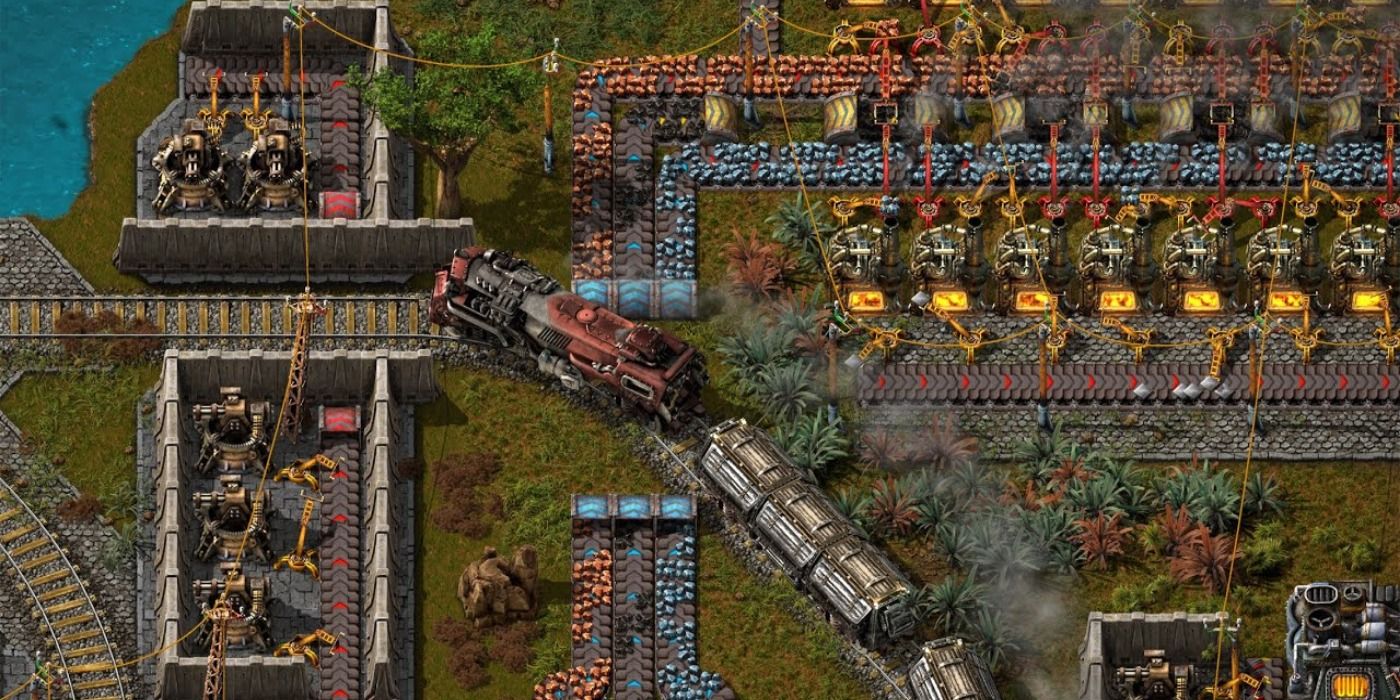
– Biter Territory: When encroaching on biter territories, consider using trains to keep the number of on-site machines low, reducing both pollution and the likelihood of attracting hostile creatures.
– Environmental Considerations: Implement eco-friendly designs by using high-efficiency machinery and mitigating unnecessary production lines to keep pollution levels at bay.
7. Flexibility and Adaptability
– Dynamic Planning: Design your factory layout to accommodate changes as needed. This may mean adding new lanes to the bus or reorganizing existing production areas in response to demand spikes.
– Adapt to Game Progression: As you advance in the game, continually evaluate and adapt your strategies to exploit new technologies and components that become available, allowing for progressive and responsive growth.
By applying these strategies diligently, you can effectively expand your factory in Factorio, ensuring that your production capabilities grow in tandem with your demands. Each strategy emphasizes efficiency, future-proofing your setup, and optimizing resource management—key factors in thriving within the dynamic world of Factorio.


Leave a Reply