
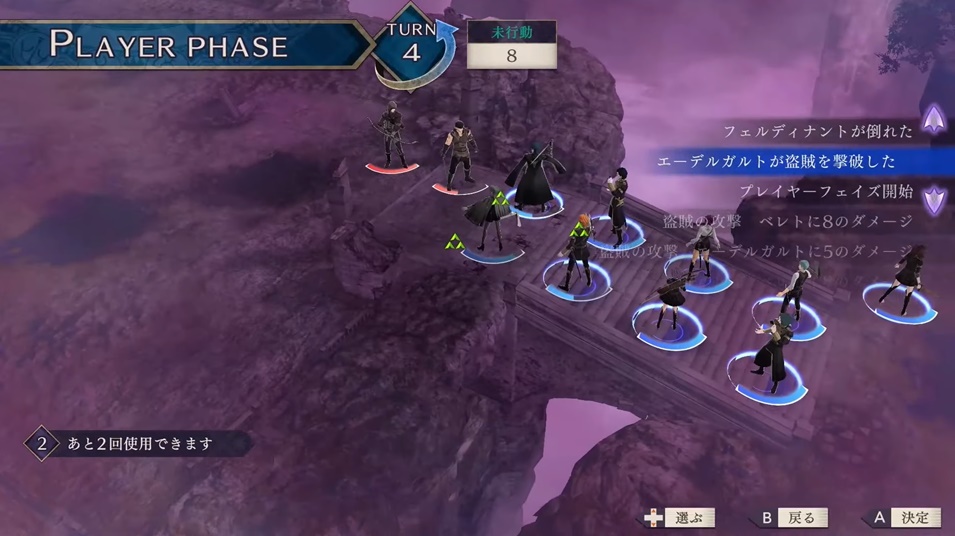
In Fire Emblem: Three Houses, the Divine Pulse mechanic is integral to the game’s tactical landscape, allowing players to rewind time and make adjustments to their previous actions during battles. This feature not only enhances gameplay but also shapes strategic thinking in multiple ways.
Detailed Impacts of Divine Pulse on Tactical Approaches:
1. Error Correction and Experimentation:
– The primary benefit of Divine Pulse lies in error correction. Players can undo turns when an action goes awry—a miscalculated move or a disastrously planned attack can be reversed. This capacity for reversal significantly diminishes the risk of losing key units due to minor mistakes. The safety net provided by Divine Pulse encourages players to adopt bolder strategies and to take calculated risks, as the repercussions of failure are less severe.
– Additionally, players can test various strategies and positionings without the anxiety of permanent failure. For example, if a player wishes to experiment with unit placement to lure enemies, they can do so and if the outcome is not favorable, they can rewind and try a different approach that may yield better results.
2. Limited Usage and Strategic Conservation:
– Despite its benefits, Divine Pulse is not unlimited, with players typically starting with around three charges (expandable via paralogues and other tasks). This limitation introduces a critical strategic element, as players must decide the optimal moments to use these charges. Should they expend a charge early in the battle to save a vital character, or should they conserve their uses for later attempts in more challenging scenarios?
– This finite resource encourages players to weigh their options carefully, fostering a deeper understanding of tactical priorities and long-term planning in combat. The tension between making bold moves and conserving resources adds layers to the strategic experience.
3. Reducing Penalties for Mistakes:
– While Divine Pulse provides a buffer against miscalculations, some players argue that it can dilute the strategic intensity of the game. The ability to retry actions without facing significant penalties may lead to more reckless decisions, particularly later in the game when players have accumulated multiple charges.
– This dynamic can shift the overall gameplay experience, potentially fostering a more casual approach to strategy where players become less cautious and may take unnecessary risks. Balancing this aspect of the game can challenge a player’s sense of strategy versus the safety nets provided by Divine Pulse.
4. Tactical Flexibility:
– Another considerable advantage of Divine Pulse is the tactical flexibility it offers. Players can experiment with different attack sequences and unit movements. For instance, they can assess the effectiveness of an offensive strategy against the enemy’s defenses or gauge the survivability of units during enemy counterattacks. If results are unfavorable, players can rewind and select alternative tactics.
– This adaptability allows for a richer exploration of combat strategies, enabling players to refine their approach and discover optimal methods on the battlefield.
Conclusion:
In conclusion, Divine Pulse charges shape a unique tactical landscape in Fire Emblem: Three Houses, allowing for a more experimental playing style that encourages players to engage with the game in innovative ways. The balance between the freedom to correct mistakes and the strategic necessity of managing limited resources cultivates an enriching gameplay experience. Although the mechanic may sometimes reduce the inherent challenge of tactical decision-making, it simultaneously invites players to explore and refine their strategies, reflecting the evolving nature of tactical engagements in gaming.



Leave a Reply