
In Fire Emblem: Three Houses, the support system is a crucial gameplay mechanic that significantly enhances combat effectiveness and contributes to character development. Engaging in support relationships provides various bonuses that improve overall performance in battles. Here’s how supports impact combat efficiency in detail:
How Supports Affect Combat
1. Support Bonuses:
– Characters who develop support relationships receive combat bonuses when positioned within three spaces of each other. These bonuses can enhance:
– Hit Rate: Increases the likelihood of landing successful attacks. A boost of +10% or more is typical when two characters reach higher support levels (C, B, A, etc.).
– Avoid Rate: Raises the chance of evading enemy strikes, which is crucial for survivability, especially against powerful foes.
– Critical Hit Rate: Enhances the chance of executing critical hits, leading to significantly higher damage output.
2. Linked Attacks and Gambit Boosts:
– When two units are in a supportive relationship, they can perform linked attacks. This mechanism allows one character to assist another, increasing damage potential during their turn. This strategic feature not only augments offensive capabilities but also deepens character interactions on the battlefield.
– Gambit boosts become available in these support scenarios, providing additional bonuses for various combat skills, such as improved hit rates or added damage during gambit attacks, enhancing overall battlefield synergy and coordination.
3. Support Point Gain and Deployment:
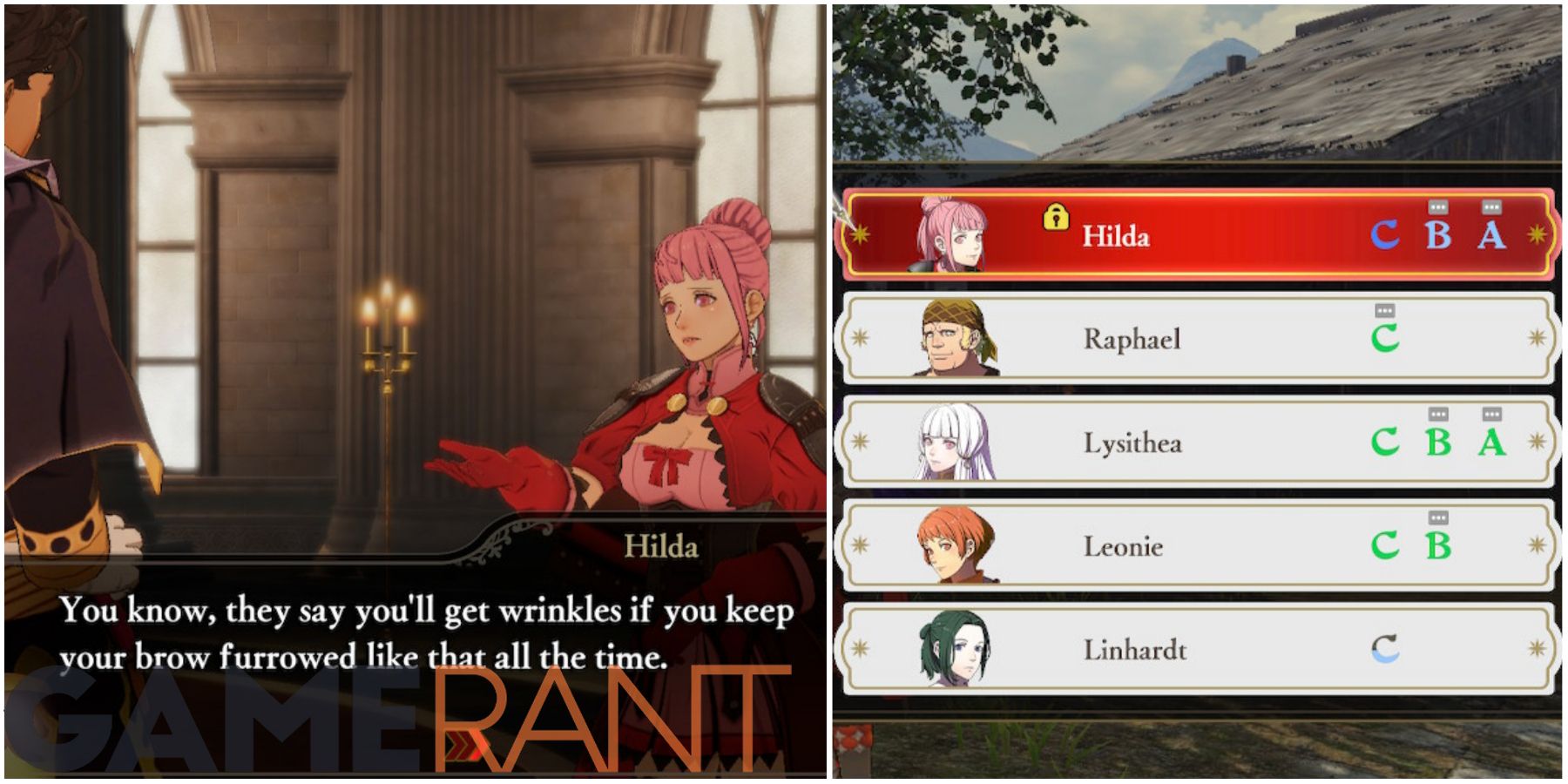
– Support points are accrued through several activities, including:
– Battling alongside each other.
– Participating in monastery activities (eating meals together, giving gifts).
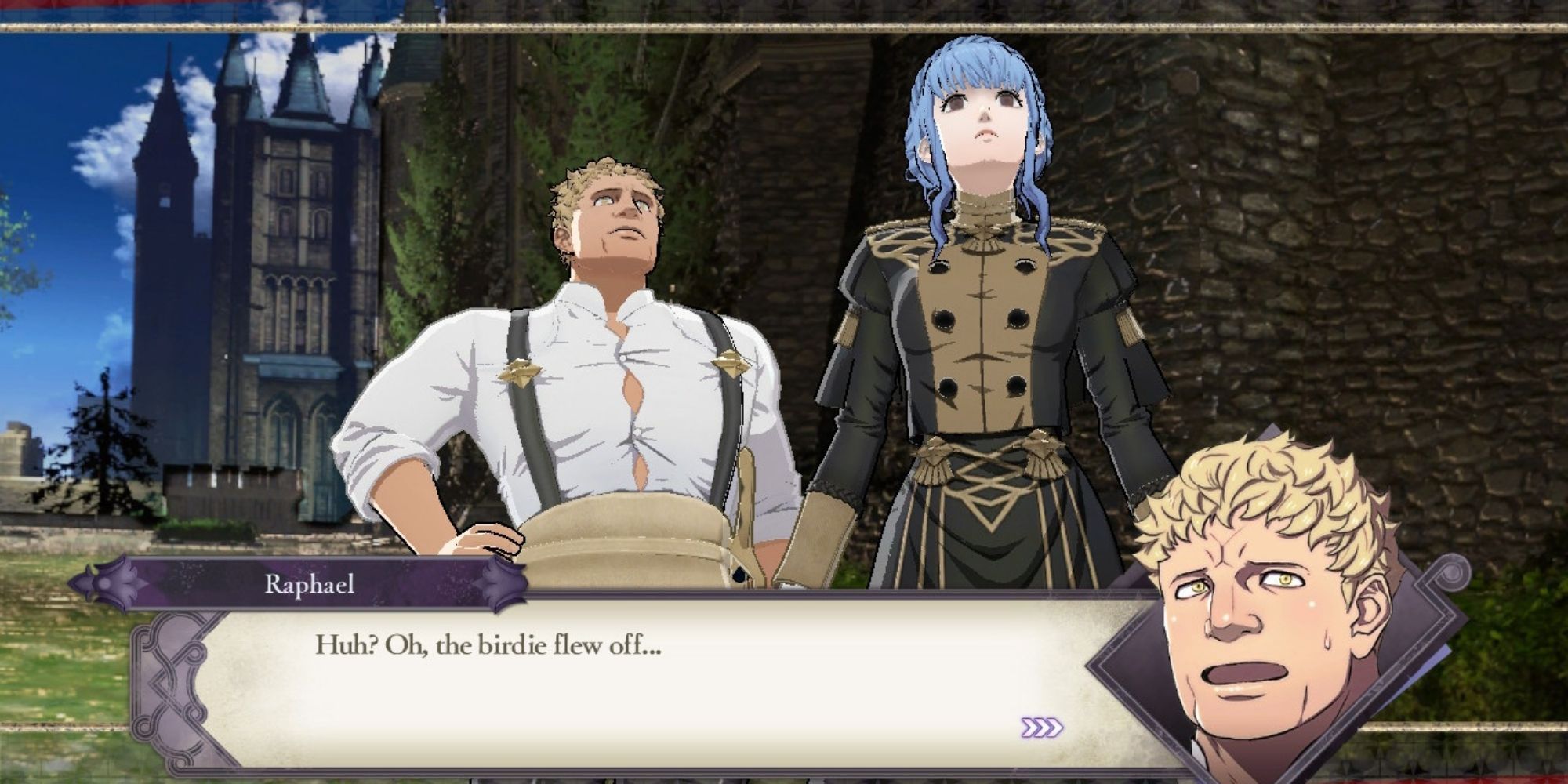
– Engaging in support conversations.
– At the end of each battle, characters deployed together increase their support points; generally, non-Byleth characters receive two points, while Byleth earns one point per battle. This gradual accumulation is vital for unlocking stronger support levels which amplify the combat bonuses provided.
Practical Impact:
The tangible benefits of cultivating strong support ties include:
– Increased Accuracy and Evasion: Characters with robust support levels are less likely to miss their attacks and are harder to hit, directly affecting their performance in combat scenarios.
– Unique Combat Arts and Abilities: Certain characters unlock specific combat arts at higher support levels, enhancing their versatility (e.g., Ferdinand, Sylvain, and Seteth gaining Swift Strikes at an A Lance support).
– Effective Damage Handling: The additional hit and crit bonuses from supports can be the decisive factor when facing enemies with high evasion, making them invaluable for overcoming challenging opponents.
Summary Table of Support Effects in Combat:
| Support Element | Effect | Notes |
|————————–|——————————————|——————————————|
| Hit Rate Increase | +10% or more to hit chance | Common across all support bonuses |
| Avoid Rate Increase | Higher chance to evade attacks | Depends on the partner’s support type |
| Critical Hit Rate Increase| Increased chance of scoring critical hits| Varies per support relationship |
| Linked Attacks | Extra damage through coordinated attacks | Requires characters to be adjacent |
| Gambit Boosts | Enhanced accuracy and damage in gambits | Triggered when supported allies act together |
Conclusion:
To maximize your combat efficiency in Fire Emblem: Three Houses, dedicating time to cultivate support levels between units is paramount. This investment not only strengthens character bonds for narrative purposes but also brings significant advantages in battles by improving accuracy, evasion, unlocking new abilities, and enabling powerful linked attacks and gambit boosts. Engaging with the support system actively thus creates a well-rounded and strategically capable team, essential for progressing through the game’s challenges.


Leave a Reply