
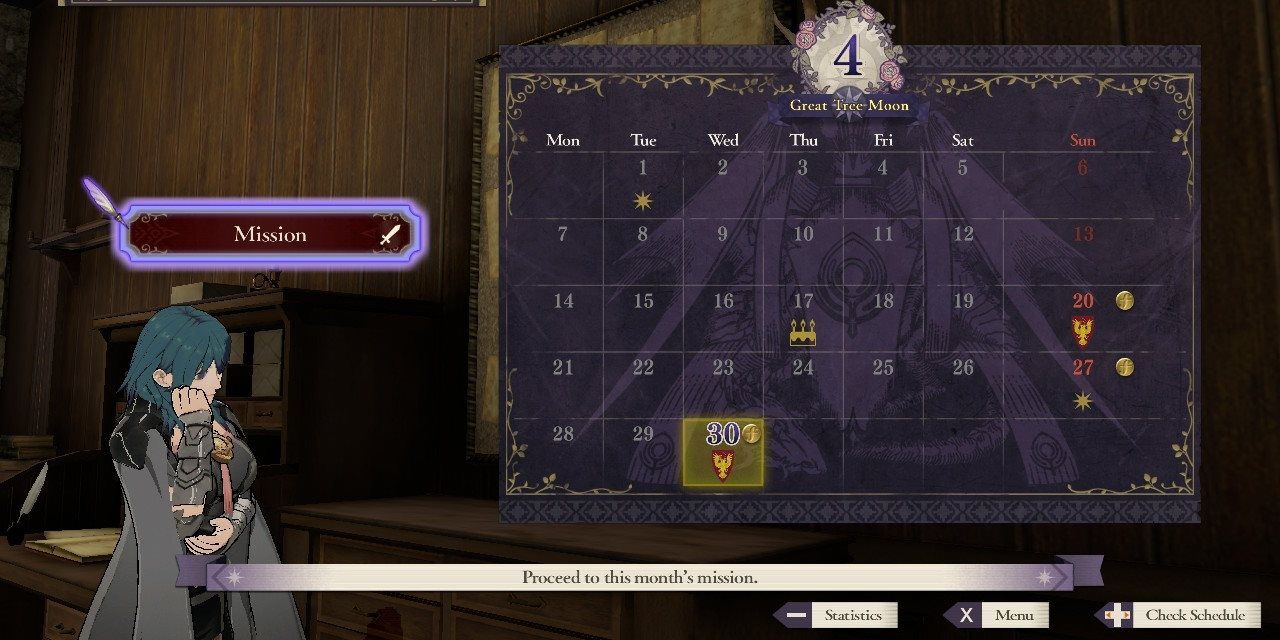
In Fire Emblem: Three Houses, the calendar system serves as a foundational element that deeply influences gameplay and narrative progression within the game’s strategic framework. By dividing the in-game year into 12 months—each consisting of approximately 30 days—the calendar facilitates a structured approach to managing time and resources that is integral to long-term planning.
Key Aspects of the Calendar System
1. Monthly Chapters and Major Battles:
Each month in the calendar is tied to a specific chapter in the overarching story, culminating in a significant battle on the final day of the month. This design necessitates that players meticulously prepare for these pivotal encounters throughout the month by prioritizing relevant activities, be it enhancing character skills or reinforcing team dynamics in anticipation of the challenges to come.
2. Activity Scheduling and Management:
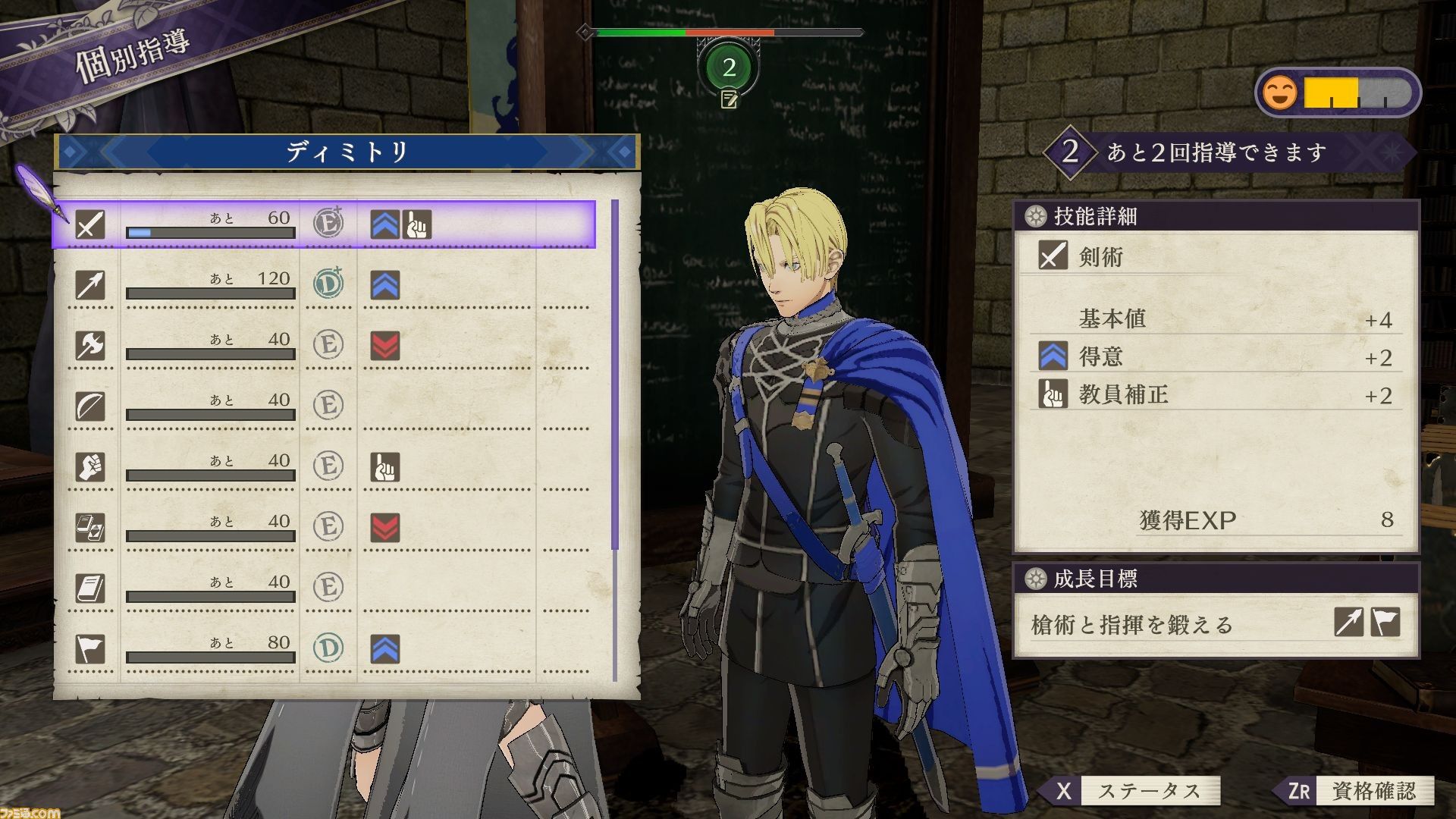
The monthly structure allows players to engage in various educational and interactive activities, such as conducting lectures, personal tutoring sessions, group tasks, and setting training goals. Each of these activities not only serves to develop the skills of the characters but also affects the player’s overall coaching level, which determines the number of actions available each week. Strategic scheduling is crucial, as it impacts the preparation for both educational growth and readiness for combat.
3. Free Days for Exploration and Side Activities:
The game design incorporates regular free days, typically on weekends or Sundays, designated for exploration of the monastery. During these times, players can engage in diverse activities—ranging from training and resting to socializing and taking qualification exams. These interactions are vital for building relationships with characters, which enhances support levels that, in turn, improve combat effectiveness and unlock additional story content, representing a deeper layer of strategy within the gameplay.
4. Calendar Events and Opportunities:
Certain significant dates within the calendar, including character birthdays, holidays, and rare monster battles, mark opportunities for players to engage in specific activities that can yield substantial rewards. For instance, celebrating a character’s birthday by giving them a thoughtful gift can substantially boost that character’s support level with the protagonist. Moreover, these events often present unique chances for obtaining rare items or valuable experiences, further incentivizing players to adhere to the calendar.
5. Long-Term Development and Strategic Planning:
Given the limited time available each month, players are challenged to find a balance between training, teaching, exploration, and socialization. While immediate choices are essential for character development, the implications of those decisions resonate throughout the gameplay, especially during the story’s time skip leading to the war phase. The trajectory of character growth and relationships directly impacts combat readiness and narrative outcomes, emphasizing the need for foresight and long-term strategic thinking.
Conclusion
The calendar system in Fire Emblem: Three Houses introduces a sophisticated layer of resource and time management that demands players prioritize their activities in a way that maximizes their characters’ skills, relationships, and overall preparedness for critical story battles. By effectively utilizing the calendar, players can orchestrate their approach to both gameplay and narrative, ensuring that they navigate the challenges of the game with both tactical acumen and strategic foresight.

Leave a Reply