
In Ghost of Tsushima, haikus and hot springs serve as crucial components that not only enrich the overall gaming experience but also bolster the player’s connection to the protagonist, Jin Sakai. Through these elements, players gain insight into Jin’s character and the overarching narrative, while also enjoying a more immersive interaction with the world.
Haikus
Purpose and Rewards
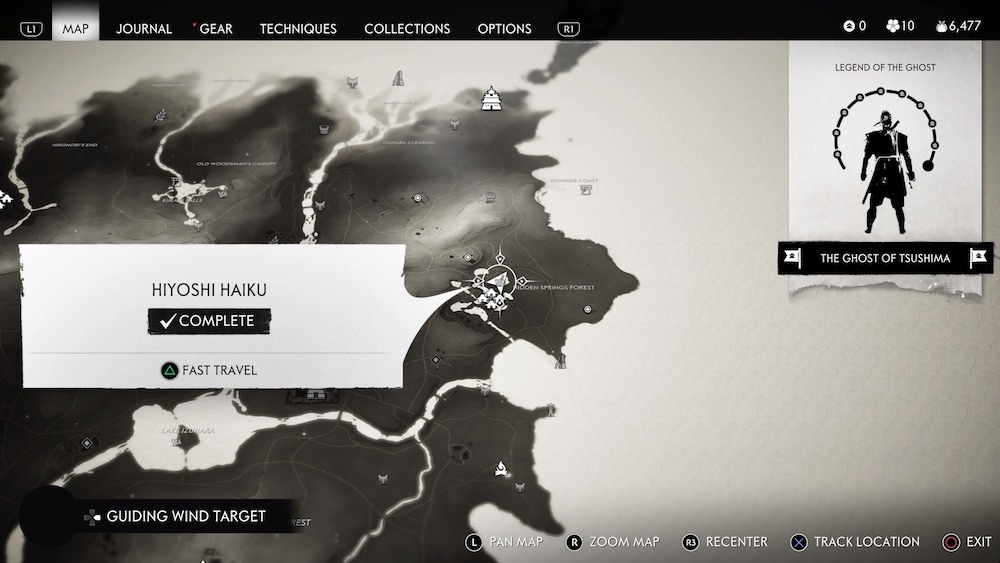
The haikus scattered throughout Tsushima and Iki Island allow players to engage with the environment in a unique and artistic manner. With 22 haikus available, each positioned in carefully chosen locations, players are invited to pause from the frenetic pacing of the game to reflect and absorb the beauty of the world around them. The completion of each haiku rewards players with cosmetic headbands, which, while merely aesthetic and devoid of gameplay advantages, serve as a form of personal expression. These rewards encourage exploration and interaction with the landscape, seamlessly tying the gameplay elements to the natural beauty of Tsushima.
Narrative Significance
Moreover, haikus provide significant narrative depth. They encapsulate various aspects of Jin’s emotional journey and the trials he faces throughout the story. Each composition can be seen as a reflection of a specific moment in his life — whether it be his resolve during the defense of Tsushima or his feelings of isolation and uncertainty following pivotal conflicts with his uncle. This narrative mechanism allows players to reflect on Jin’s growth and internal struggles, deepening their emotional investment in his character and the game’s overarching themes.
Hot Springs
Relaxation and Restoration
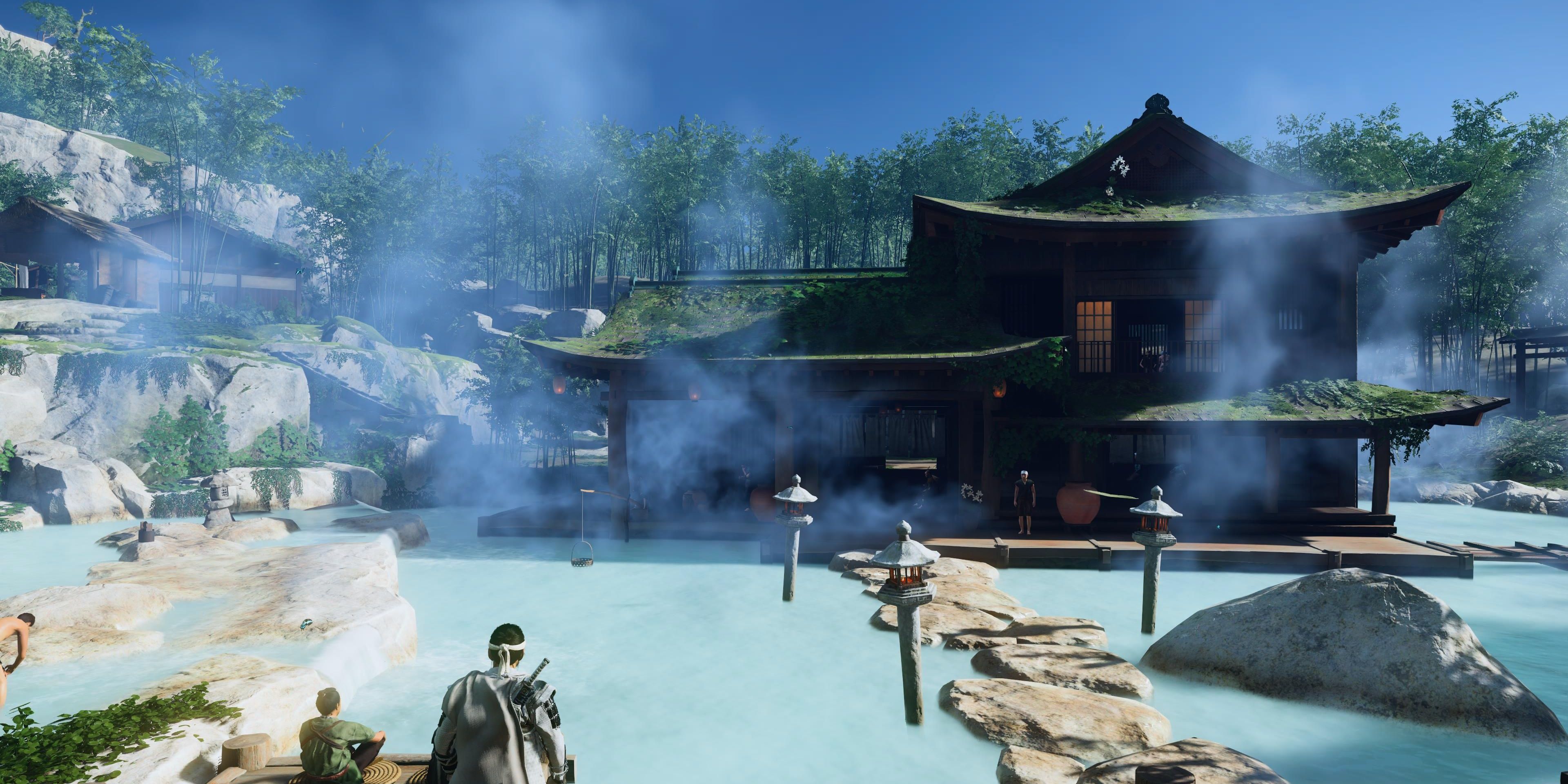
Hot springs function as serene sanctuaries within the chaotic landscape of Ghost of Tsushima. These locations encourage players to slow down and appreciate the exquisite visual design while offering a tranquil oasis from the relentless conflict of the samurai’s life. By allowing Jin to immerse himself in soothing environments, these hot springs serve as moments of respite, reinforcing the necessity of self-care and mental restoration amidst the chaos of war.
Strategic Benefit
Although hot springs do not provide direct combat advantages, they play a subtle yet profound role in enhancing the overall gameplay experience. By fostering a calm atmosphere, these features allow players to clear their minds and approach game challenges with greater focus and strategic clarity. The reflective moments experienced in hot springs can pave the way for a better understanding of combat tactics and decision-making during intense battles, reinforcing the idea that mental and emotional well-being can significantly impact one’s effectiveness in combat.
Conclusion
In summary, both haikus and hot springs in Ghost of Tsushima offer players essential moments of reflection and relaxation, which enrich their experiential journey. These components contribute significantly to a deeper understanding of Jin Sakai’s character and the intricate narrative of the game, while also providing a necessary counterbalance to the action-packed sequences that characterize much of the gameplay. Through these elements, players are not only entertained but also invited to engage on a more profound emotional level, making their experience in Tsushima all the more memorable.


Leave a Reply