
Overview of Gorogoa: Chapter Progression and Themes
Introduction to Gorogoa
Gorogoa is a critically acclaimed puzzle game developed by Jason Roberts, known for its distinctive visual storytelling and innovative gameplay that fuses narrative with intricate puzzles. The game is structured into six chapters, each presenting unique themes and challenges that contribute to the overarching story of the protagonist, a boy on a quest intertwined with elements of time, space, and memory.
Chapter Breakdown
Chapter 1: Introduction to the Game’s World
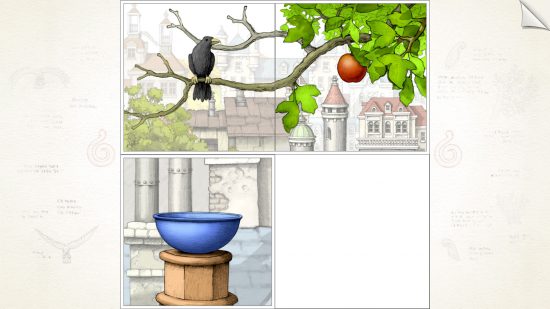
– Setting the Scene: The game opens with a vibrant creature journeying through a quaint village. This colorful visual captures players’ attention, inviting them into the world.
– Character Reveal: As the player interacts with the scene, they zoom out to discover the central character, the boy, establishing a connection to the player and setting the stage for his journey.
– Puzzle Mechanics Introduction: This chapter focuses on teaching players the fundamental mechanics of manipulating panels to solve puzzles. It lays the groundwork for the gameplay, where players must think creatively to progress.
Chapter 2: Building Complexity
– Advancing the Narrative: Although less detailed in available information, Chapter 2 continues the boy’s journey, likely introducing more complex puzzles that require a deeper understanding of the mechanics learned previously.
– Themes Exploration: Themes of time and space become more pronounced here, suggesting that the player will engage with puzzles that distort or alter the perception of these concepts.
Chapter 3: Further Development
– Continuing the Journey: Similar to Chapter 2, this segment appears to maintain the narrative momentum while enhancing the intricacies of puzzles.
– Expanding Themes: New elements may be introduced that broaden the game’s exploration of its central themes, allowing players to delve deeper into the boy’s experiences and the world around him.
Chapter 4: Traversal of Memories
– Navigating Portraits: This chapter is marked by its unique mechanic of traversing a wall of portraits. Each portrait encapsulates different memories or scenes from various periods in time.
– Objective: Players are tasked with maneuvering these portraits to ultimately reach a blue fruit illustrated in the last image, symbolizing pivotal moments or goals in the boy’s life.
– Narrative Significance: The mechanics reflect the theme of memory and the passage of time, emphasizing how past experiences shape the present.
Chapter 5: Reflection and Culmination
– Time’s Passage: The story leaps forward, presenting the boy as an elderly man reflecting on his lifelong quest for mystical fruit. This shift in perspective adds emotional depth to the narrative.
– Puzzle Complexity: This chapter introduces puzzles involving complex elements such as trains and maps, requiring strategic thinking and continued engagement with the game mechanics.
– Narrative Focus: Players are encouraged to reflect on the journey as the protagonist looks back on his experiences, tying together themes of nostalgia and the pursuit of dreams.
Chapter 6: The Conclusion
– Final Resolution: Specific details about Chapter 6 are scarce, but it is positioned as the climax where the protagonist’s journey reaches its conclusion.
– Closure: Players can expect to encounter remaining puzzles and narrative threads that need resolution, providing a satisfying wrap-up to the story.
Conclusion
Gorogoa is an artistic puzzle game that interweaves gameplay with a profound narrative, exploring the complexities of time, memory, and personal journey across its six chapters. Each chapter introduces unique challenges and themes, culminating in a thought-provoking experience that invites players to reflect on their own interpretations of the story and the puzzles presented. Through its innovative mechanics and beautiful artwork, Gorogoa stands out as a unique contribution to the gaming landscape, engaging players in both intellect and emotion.
/cdn.vox-cdn.com/uploads/chorus_asset/file/9865563/Gorogoa_Final_7_preview.png)


Leave a Reply