
Gorogoa: Unveiling the Secrets and Depths of an Intricate Puzzle Experience
Gorogoa stands out in the realm of puzzle games not just for its unique mechanics, but also for its compelling narrative and the layers of meaning woven throughout its gameplay. Below, we explore some of the game’s hidden secrets and Easter eggs that enrich the player experience.
1. Symbolism of Boards and Signs
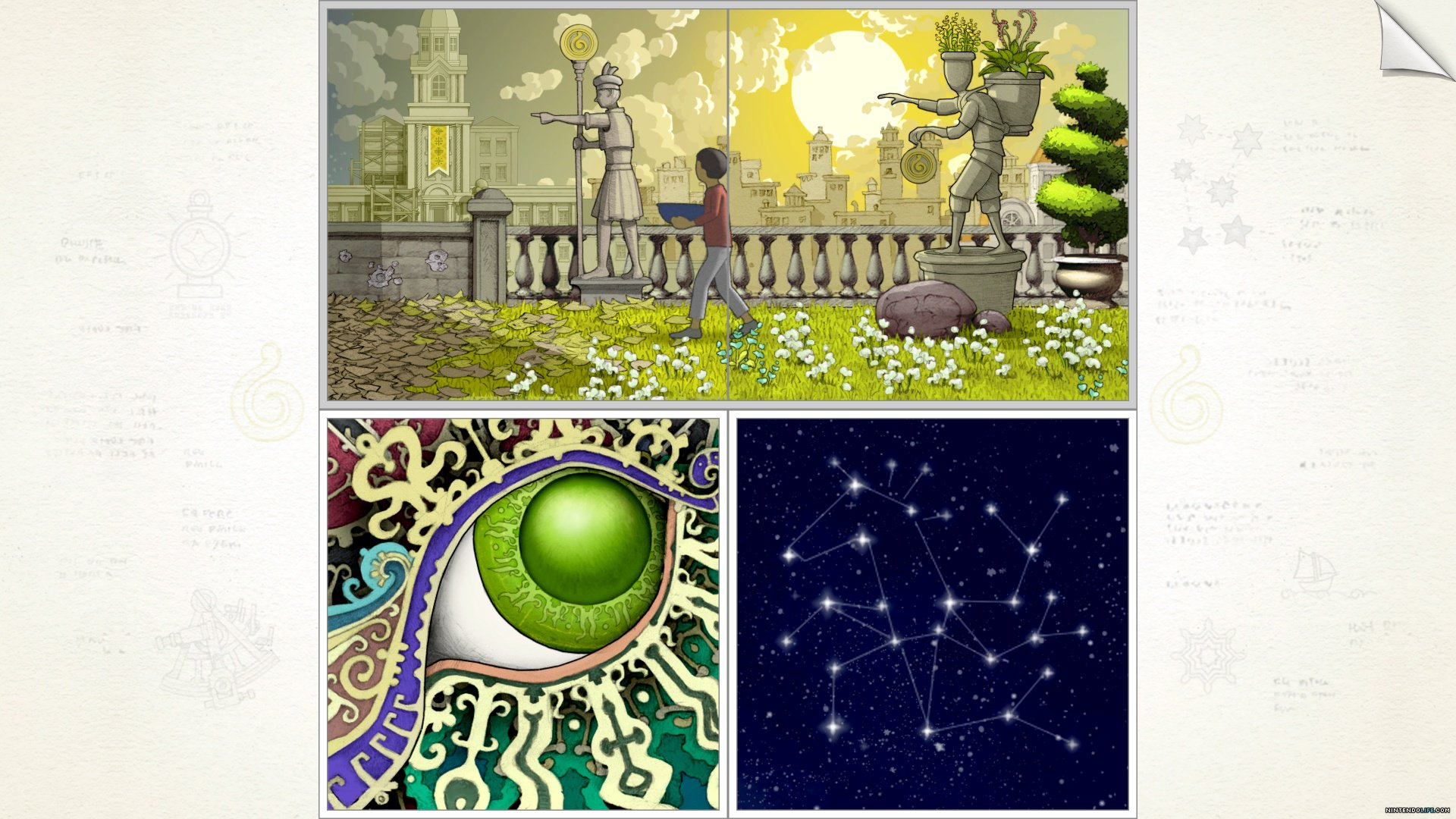
As players navigate through the beautifully illustrated world of Gorogoa, they will encounter various boards and signs. Zooming in on these elements can reveal hidden symbols and pathways. This feature not only enhances the puzzle-solving aspect but often provides vital clues necessary for advancing in the game, turning them into essential tools for exploration and comprehension.
2. Color Significance
The game employs a thoughtful color palette, featuring five prominent fruits: green, blue, red, yellow, and purple. These colors are not just aesthetically pleasing; they serve as indicators throughout the gameplay. Players will notice these colors reflected in various objects and environments, hinting at their relevance to puzzles or their accessibility within the game, thereby guiding problem-solving strategies.
3. Story Interpretations
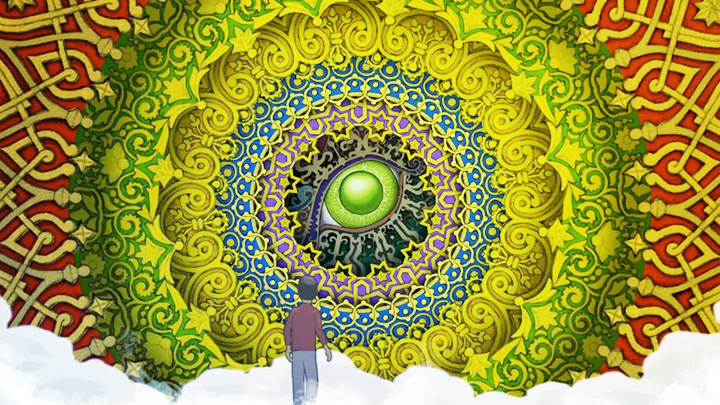
At its core, Gorogoa delivers a narrative that invites multiple interpretations. It explores profound themes such as mortality, acceptance, and the evolution of personal identity. For instance, the eponymous Gorogoa is often interpreted as a representation of death itself, while the protagonist’s journey reflects a poignant process of facing and coming to terms with mortality. This rich narrative depth encourages players to think critically and reflectively as they unravel the story.
4. Hidden Achievements
Beyond the main gameplay, Gorogoa rewards exploration and offbeat actions through hidden achievements. One notable example is the “Right Wrong” achievement, which challenges players to engage in specific, unconventional actions not typically associated with the main game objectives. This feature adds an element of surprise and encourages players to explore every nook and cranny of the game.
5. Mechanical Puzzles with Hidden Solutions
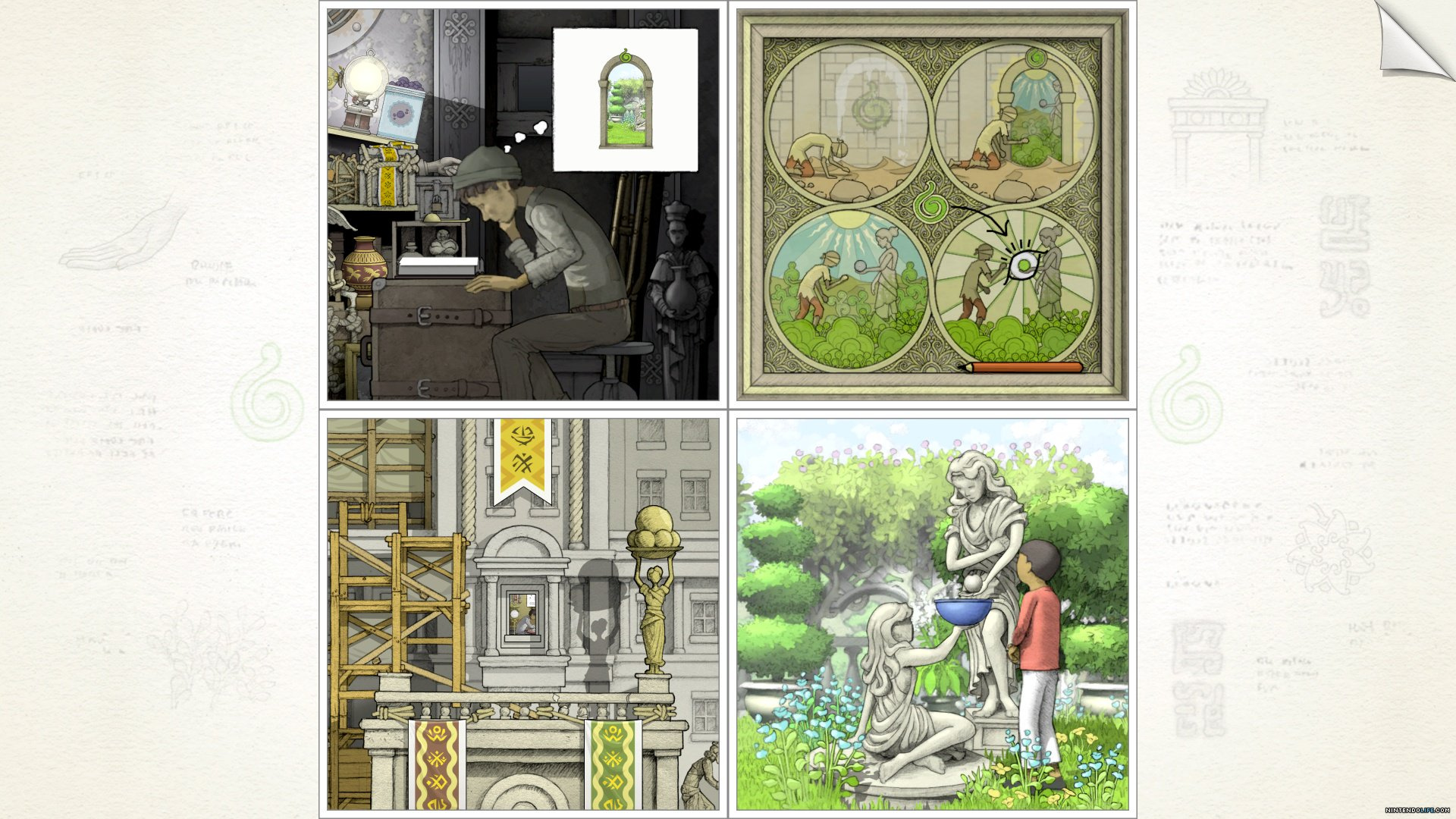
Gorogoa’s puzzles are ingeniously designed, requiring players to combine different panels in innovative ways. Many require players to think outside the box—aligning gears, manipulating levers across different timelines, or positioning panels to uncover hidden paths. This complexity not only serves to challenge players but also enhances the immersive experience, making each solution feel like a significant accomplishment.
6. Time Manipulation
The theme of time plays a critical role in Gorogoa, with several puzzles centered around its manipulation. Players often use levers to interact with different timelines, gaining access to new areas and unfolding layers of the storyline. This mechanic not only enriches puzzle-solving but also underscores the narrative’s exploration of time and eternity, creating a seamless integration of gameplay and thematic depth.
7. Final Scene Symbolism
In the game’s climactic moments, players witness a poignant scene where the boy reflects on his offerings. This sequence includes unique circular thought squares that symbolize events within the boy’s soul rather than mere memories. This artistic choice signifies an introspective journey, highlighting the boy’s internal struggles and ultimate acceptance of his reality.
Conclusion
Overall, Gorogoa is not just a puzzle game; it is an engrossing experience laden with hidden secrets and thought-provoking themes. Its combination of intricate gameplay mechanics, rich narrative elements, and symbolic representation creates a deeply engaging environment for players, encouraging them to not only solve puzzles but also to reflect on the journey of life and its many complexities. With every layer unveiled, players are likely to find more than just puzzles—they might uncover their own interpretations of the game’s underlying messages.


Leave a Reply