
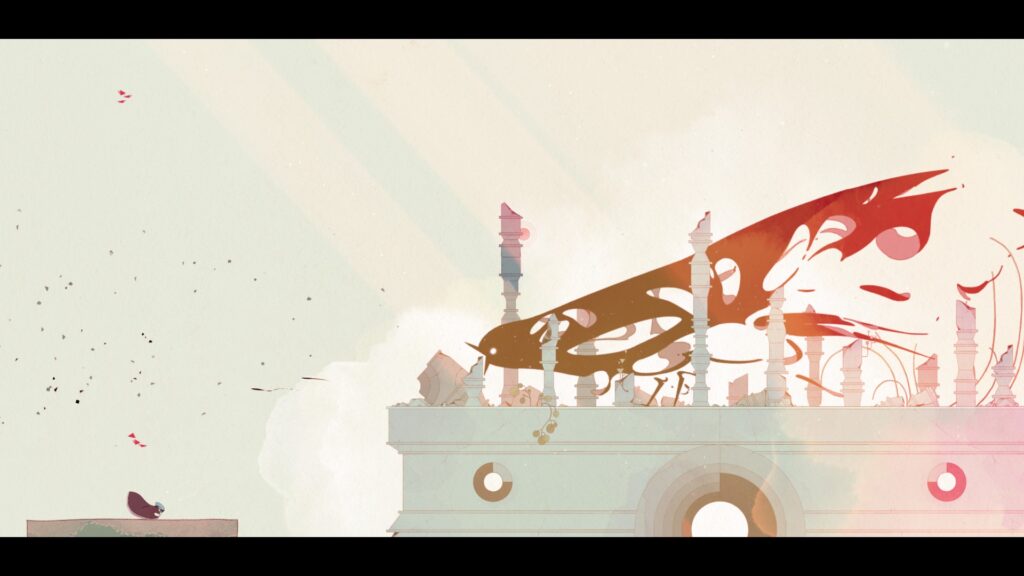
In the visually stunning game Gris, the bird-like entity acts as a duality of resistance and assistance, providing a compelling mechanic that drives both the gameplay and the narrative’s emotional depth. Below is a detailed exploration of how players interact with this entity and its symbolic significance within the game:
1. Navigating Past the Bird
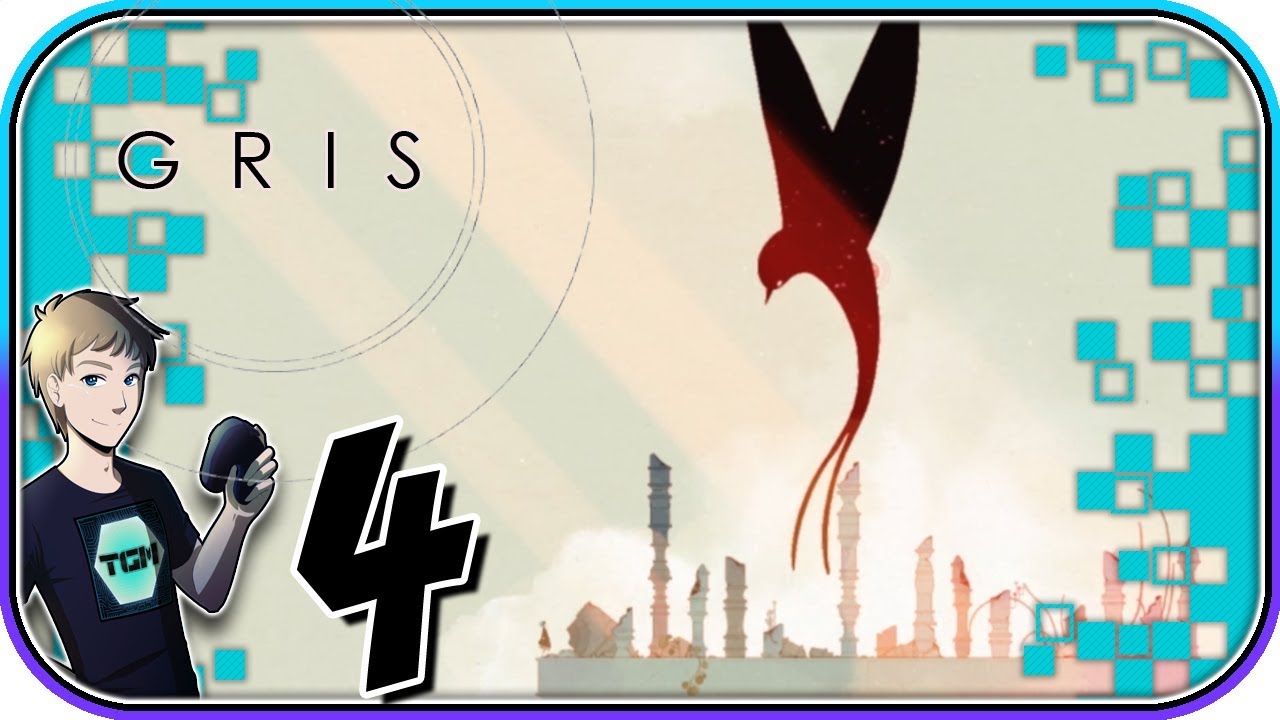
The bird serves as a formidable presence throughout Gris, characterized by its ability to generate powerful gusts of wind that can either hinder or facilitate the player’s progress. As players encounter this creature:
– Chasing Mechanics: When the bird appears, it actively pursues the protagonist, creating strong wind currents that can push her off platforms or deter her forward movement. This creates a dynamic tension in gameplay.
– Timing and Strategy: Successfully maneuvering past the bird involves mastering the timing of jumps in relation to its gusts. Players must be strategic in their movements to not only avoid being blown back but to use the wind as a tool to propel the protagonist upwards or towards distant areas.
2. Using the Bird’s Wind
In various levels, the winds generated by the bird are pivotal for exploration and unlocking secrets:
– Reaching Higher Places: Players are encouraged to position the protagonist in such a way that the bird’s wind can aid in achieving higher jumps or accessing secret mementos scattered throughout the environment. This necessitates an understanding of wind patterns and how best to utilize them.
– Advancing in Gameplay: The wind can also be critical for navigating through segments of levels that are otherwise inaccessible, emphasizing the importance of the bird as a facilitator of exploration rather than merely an obstacle.
3. Engaging with the Bird Mechanically
Rather than engaging the bird in combat, Gris invites players to interact with it through environmental puzzles and platforming challenges:
– Using Abilities: By leveraging the protagonist’s special abilities, such as the ability to transform into a block, players can approach the bird and manipulate its wind strength. This interaction is key in solving puzzles or triggering environmental changes, like ringing bells or moving obstacles.
– Creative Problem-Solving: The gameplay invites players to think creatively, using the bird’s actions to progress instead of defeating it, which reflects a core theme of the game—finding ways to overcome personal struggles through innovation.
4. Symbolic Interpretation
The bird is rich in symbolic meaning, reflecting deeper themes of the game:
– Self-Doubt and Internal Struggle: The bird can be interpreted as a manifestation of self-doubt and the internal struggles individuals face. Its presence challenges the protagonist, mirroring the emotional barriers that people must confront in their personal journeys.
– Channeling Pain into Progress: Ultimately, the bird symbolizes how one can channel feelings of internal strife into momentum for growth. Rather than allowing adversity to impede progress, players are encouraged to embrace these challenges, transforming them into opportunities for advancement.
Conclusion
In summary, the bird in Gris is a multifaceted element that transcends the traditional role of an enemy. Through its mechanics and symbolic weight, it enriches both the gameplay experience and the thematic narrative of the game. Players must learn to navigate and work alongside this entity, reflecting the broader journey of personal growth and the transformative power of overcoming one’s inner demons.


Leave a Reply