
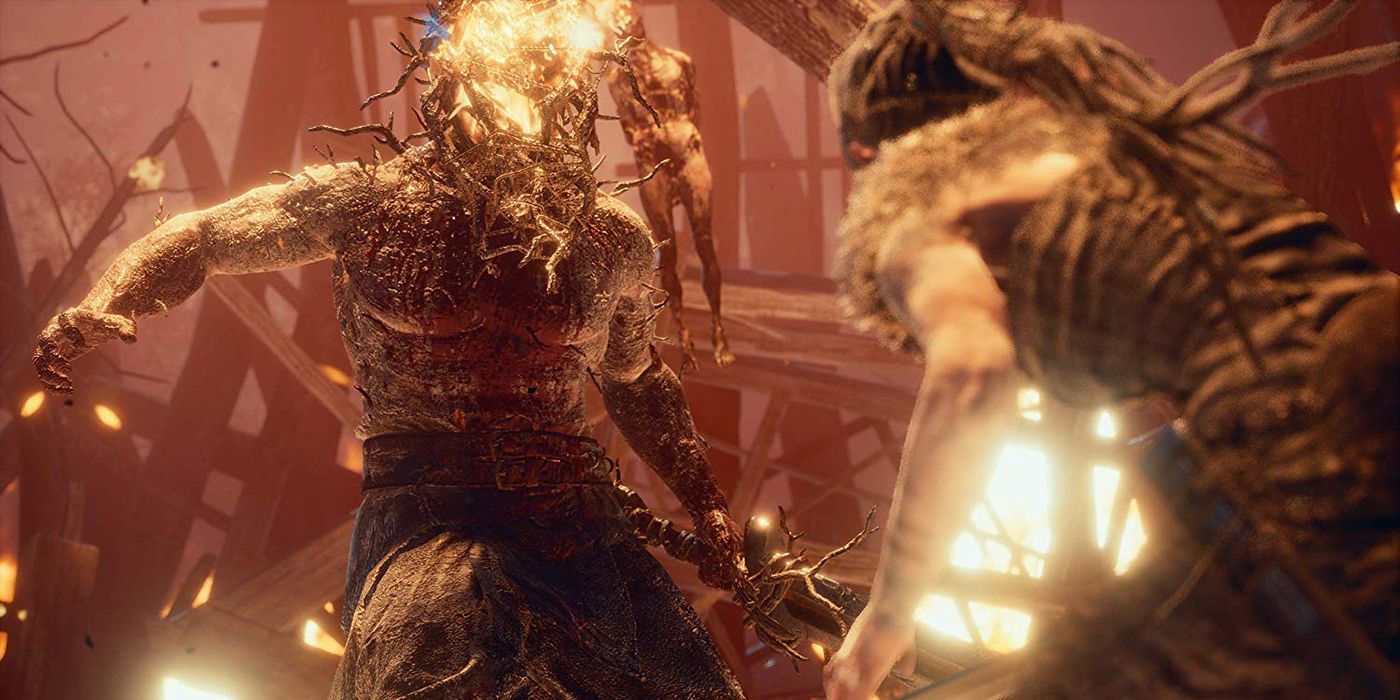
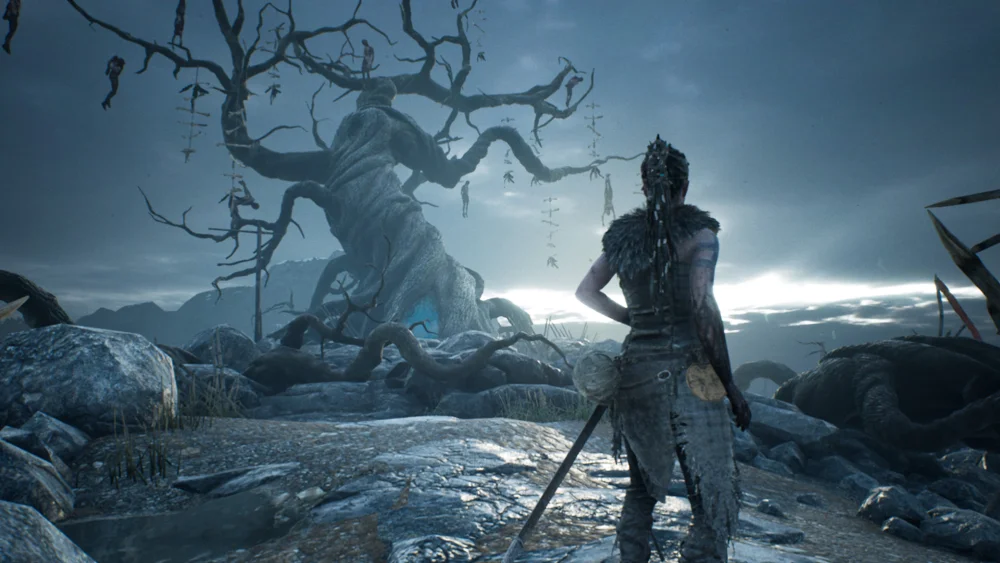
In Hellblade: Senua’s Sacrifice, boss battles serve as a critical intersection of combat mechanics and the psychological themes woven through Senua’s journey. The game artfully combines the mechanics of combat with narratives reflective of Senua’s struggles with psychosis and her confrontation with Norse mythology, creating an experience that is not only challenging but also deeply resonant on an emotional level.
Combat Mechanics in Boss Fights
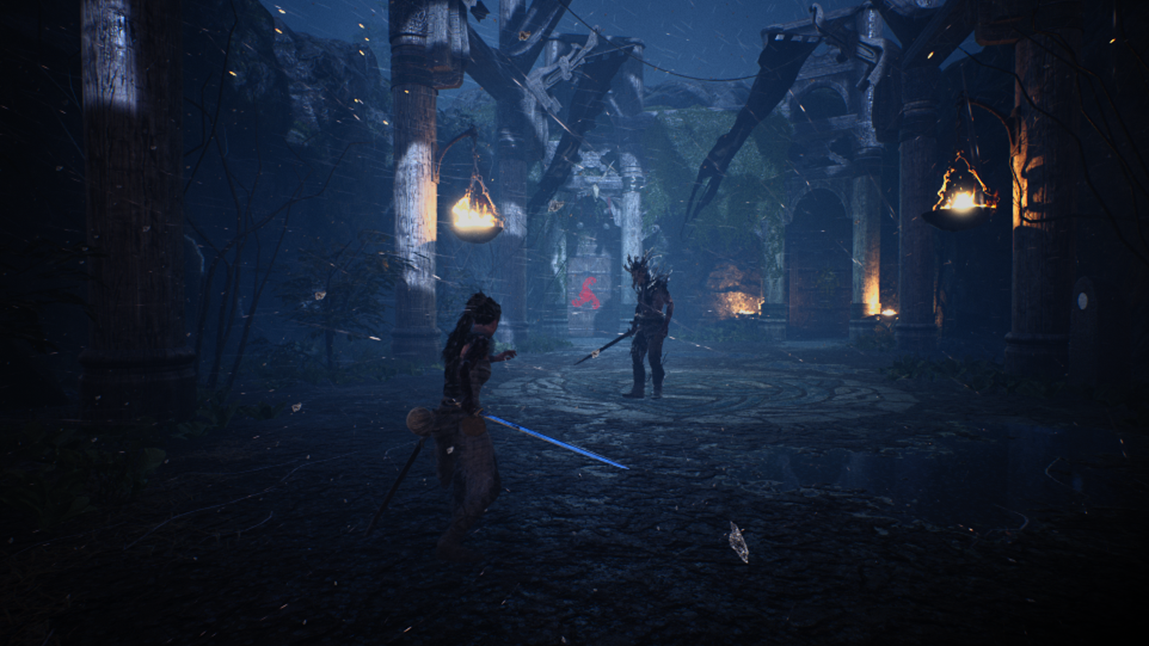
1. Pattern Recognition and Patience: Success in boss battles hinges on the player’s ability to recognize attack patterns instead of relying solely on aggression. For instance, dodging is crucial because blocking can lead to vulnerability, especially if Senua’s stamina is drained. Players must carefully observe enemy behavior, waiting for the right moment to counter after a foe’s missed strike to exploit openings effectively[2][3].
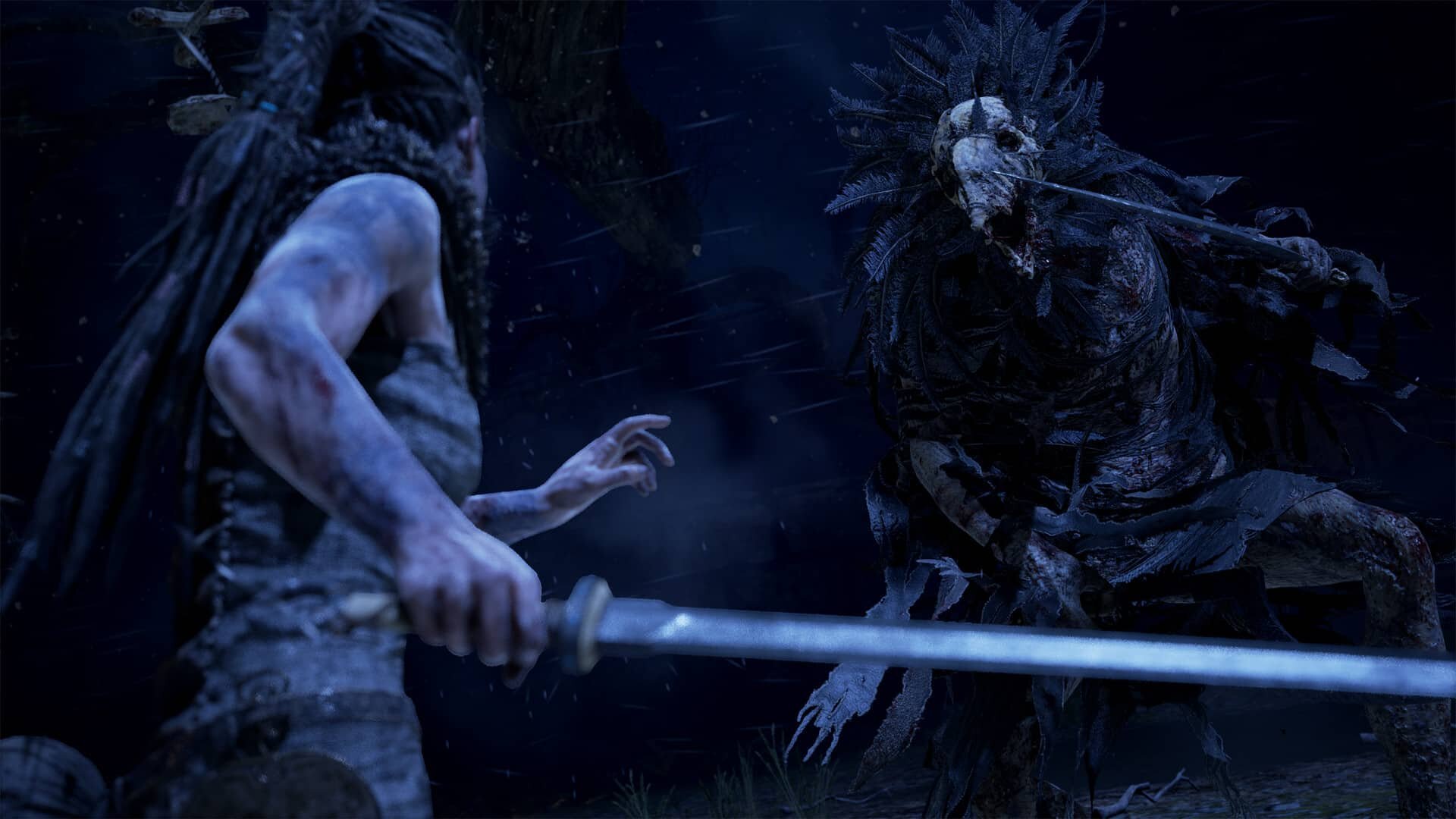
2. Use of Focus Mechanic: The Focus ability is pivotal in fights against certain bosses, such as Fenrir. During these encounters, the arena is shrouded in darkness, mirroring Senua’s internal battles. Players must remain alert for glimpses of light that signal safe attacks, requiring them to dodge or jump at precisely the right moment to capitalize on the brief illumination where attacking is possible[1][3].
3. Combo and Counter Systems: The game encourages players to learn and utilize a robust combo system, chaining light and heavy attacks to create effective offensive sequences. Successful timing during block mechanics allows players to counter, resulting in opportunities for significant damage against bosses. Playing close to the enemy can be risky, as aggressive maneuvers may invite counterattacks, demanding a careful balance of offense and defense[3].
4. Enemy Waves and Final Challenge: The encounter with Hela culminates in a series of challenges, including fighting through waves of enemies that test previously acquired skills. Utilizing sprinting stabs and Focus ability strategically helps to quickly dispatch these adversaries. Additionally, the final arena revisits earlier bosses in shadow form, challenging players to apply everything learned throughout the game, thereby reinforcing mastery of combat tactics[1].
Psychological Themes Reflected in Combat
1. Manifestation of Psychosis: Each boss symbolically represents Senua’s internal struggles with her mental health. The darkness enshrouding Fenrir’s fight serves both as an atmospheric mechanic and a metaphorical representation of Senua’s battle against the psychological shadows overshadowing her mind[1][4].
2. Voices as Clues: The auditory hallucinations that accompany Senua throughout her journey are integral to both the narrative and gameplay. These voices not only narratively frame Senua’s experiences but also provide players with hints regarding boss behaviors and combat strategies, merging her psychological state with the game mechanics[2].
3. Surrender in Final Battle: The climax with Hela shifts the narrative from one of conquest to that of acceptance. In a poignant moment, Senua is required to surrender to her enemies, symbolizing a deeper acceptance of her circumstances rather than a traditional victory. This reflects the overarching psychological narrative that prioritizes understanding and embracing one’s mental health journey[1].
4. Integration of Combat and Mental State: Each boss fight is intricately designed to emulate the experience of grappling with psychosis through a synthesis of visual, auditory, and gameplay elements. This design philosophy was informed by consultations with neuroscientists, ensuring an authentic representation of Senua’s mental challenges throughout her journey[4].
Summary
The boss encounters in Hellblade: Senua’s Sacrifice demand keen strategic combat skills while simultaneously serving as a profound exploration of Senua’s psychological turmoil. The mechanics of timing, focus, and pattern recognition transcend mere gameplay challenges; they become symbolic of the fight against mental darkness and the quest for clarity. Thus, each battle is not just a test of skill but an integral aspect of the emotional and thematic fabric of the narrative, enriching the player’s experience and understanding of Senua’s journey[1][2][3][4].

Leave a Reply