
Hellblade: Senua’s Sacrifice: A Seamless Blend of Narrative and Gameplay
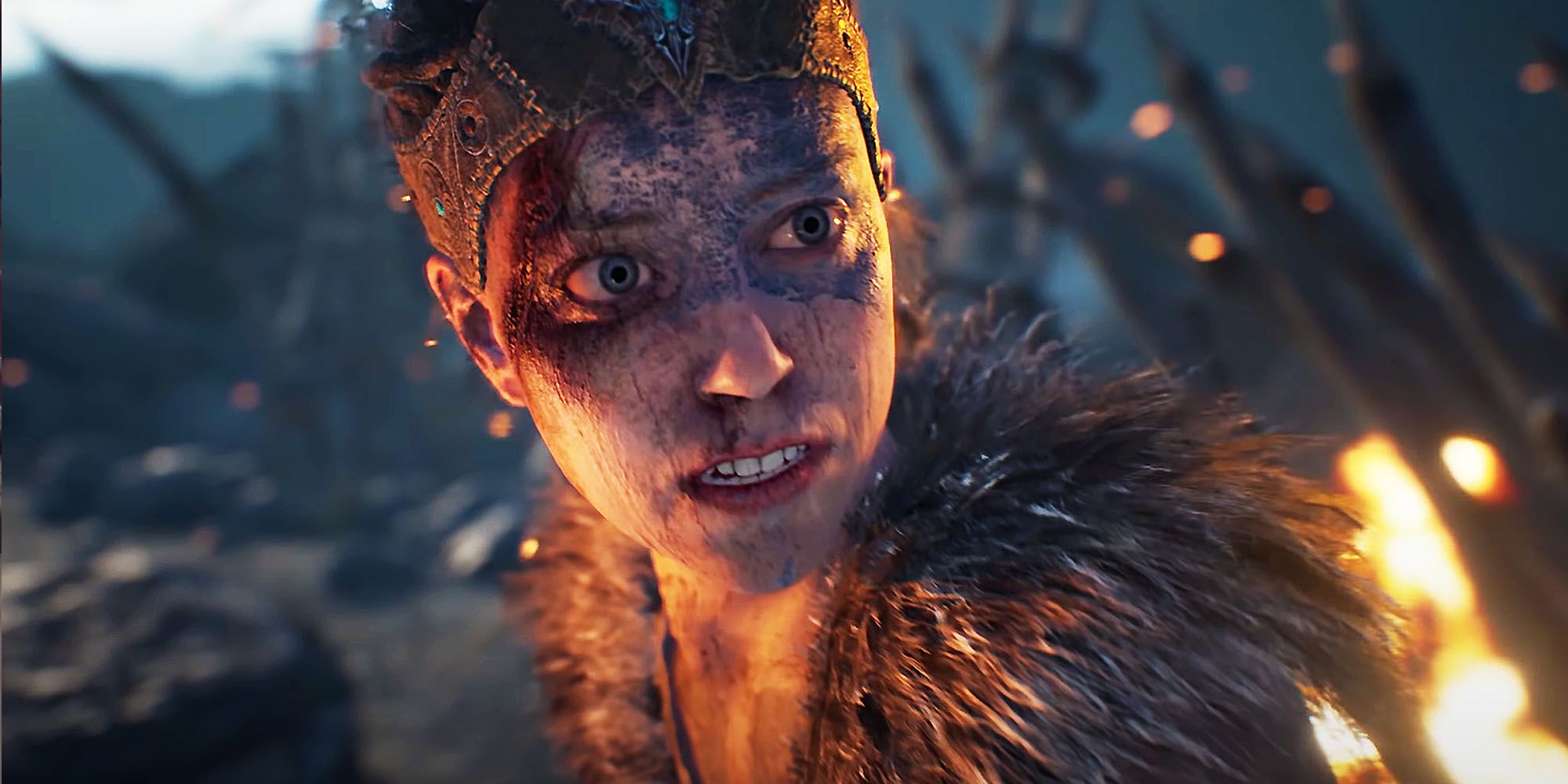
Hellblade: Senua’s Sacrifice offers an intricately woven narrative experience, highlighting the complexities of trauma and mental illness through the journey of its protagonist, Senua, a Pict warrior. As players navigate the mythological landscapes of Helheim in pursuit of her deceased lover, Dillion, the game seamlessly merges Senua’s external journey with her internal psychological struggles.
Narrative and Structure
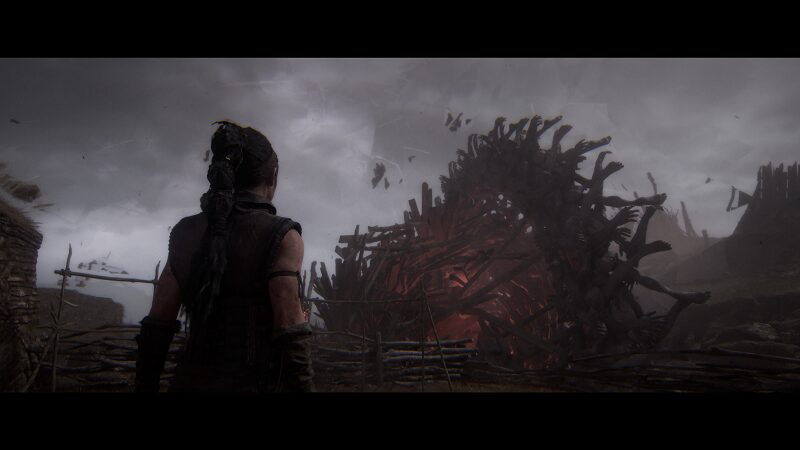
At the heart of Hellblade’s storytelling is its adherence to a traditional three-act structure, where narrative goals are meticulously aligned with Senua’s physical actions. In the beginning, players are tasked with overcoming formidable foes, such as Valravn and Surtr, to unlock Helheim’s bridge. These confrontations do not merely serve as combat challenges; they represent Senua’s deeper battles with her memories and fears, demonstrating how external objectives are reflections of her inner turmoil. As players guide her through the game’s stages, they experience a duality of actions—solving puzzles to progress while simultaneously confronting Senua’s psychological demons.
Environmental Storytelling and Psychosis
The game excels in its use of environmental storytelling and the incorporation of psychosis manifestations, creating a rich tapestry of Senua’s inner world. Players are subjected to audio and visual stimuli that simulate hallucinations and voices, forcing them to question the reliability of Senua’s perceptions. This disorientation enhances immersion, allowing players to feel the fragility of her condition and directly experience the struggles accompanying mental illness. For instance, auditory hallucinations may provide misleading guidance, heightening tension and reflecting the complexities of navigating one’s psyche.
Gameplay Mechanics Reflecting Inner Control
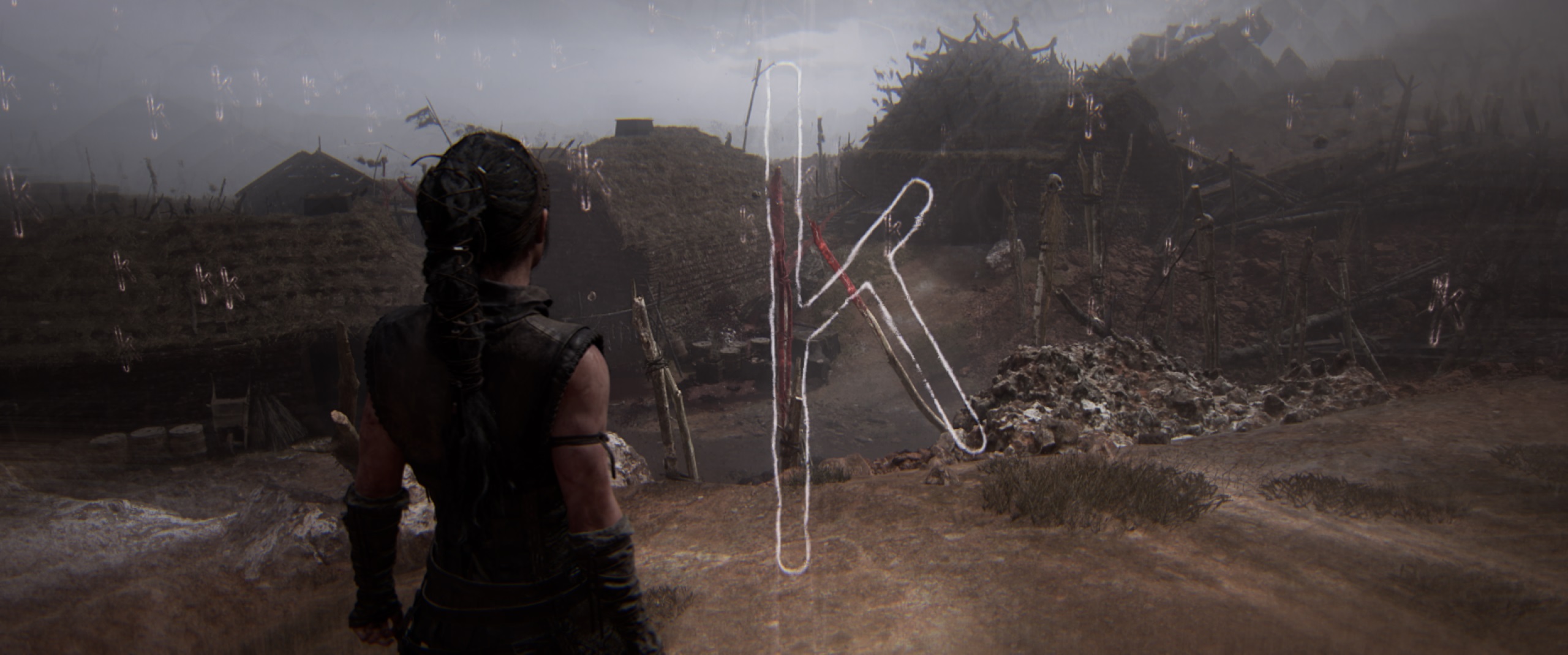
Mechanics like “focusing” play a critical role in representing Senua’s attempts to find order amidst chaos. This ability offers players a means to impose clarity on their surroundings, acting as a metaphor for Senua’s quest for mental stability. By closely listening to environmental sounds and following visual cues, players uncover pathways obscured by her fears, emphasizing that clarity can emerge even in confusion. These gameplay elements are not isolated but intricately tied to the narrative, reinforcing the relationship between Senua’s inner struggles and her advancement in the game.
Cinematic Moments and Character Development
Key narrative revelations are artfully delivered at pivotal moments on Senua’s journey, such as after defeating major bosses or transitioning to significant locations. Cinematic sequences offer backstory and insight into Senua’s past, particularly surrounding her relationship with Dillion and the origins of her mental afflictions. These storytelling moments are strategically placed to resonate with the player’s progression, enriching the emotional impact and depth of Senua’s character.
Climactic Confrontation and Resolution
As Senua faces her ultimate challenge against Hela, the goddess of death, the culmination of her trials serves as a metaphor for her understanding of her mental state. This confrontation encapsulates both her setbacks and growth, reflecting the ongoing battle against her inner demons. The resolution underscores the theme of integration, suggesting that embracing her fragmented psyche is critical for her journey toward healing.
Conclusion
In summary, Hellblade: Senua’s Sacrifice uses Senua’s physical journey through a mythic underworld as both a literal and metaphorical vehicle for narrating her experiences with trauma, loss, and mental illness. Through a combination of environmental cues, puzzle-solving, combat, and auditory experiences, the game creates an innovative narrative design. Each step taken in the game world mirrors Senua’s inward exploration, resulting in a profound storytelling experience that resonates with players on multiple emotional levels. This unique interplay between gameplay and narrative not only distinguishes Hellblade as a noteworthy title but also elevates the discourse surrounding mental health within the medium of video games.

Leave a Reply