
In Hellblade: Senua’s Sacrifice, light and shadow serve as critical elements that enhance both the gameplay through puzzles and the narrative through atmospheric storytelling. This dual functionality enriches the player’s experience, making every interaction with the game’s world dynamic and meaningful.
Contribution to Puzzles
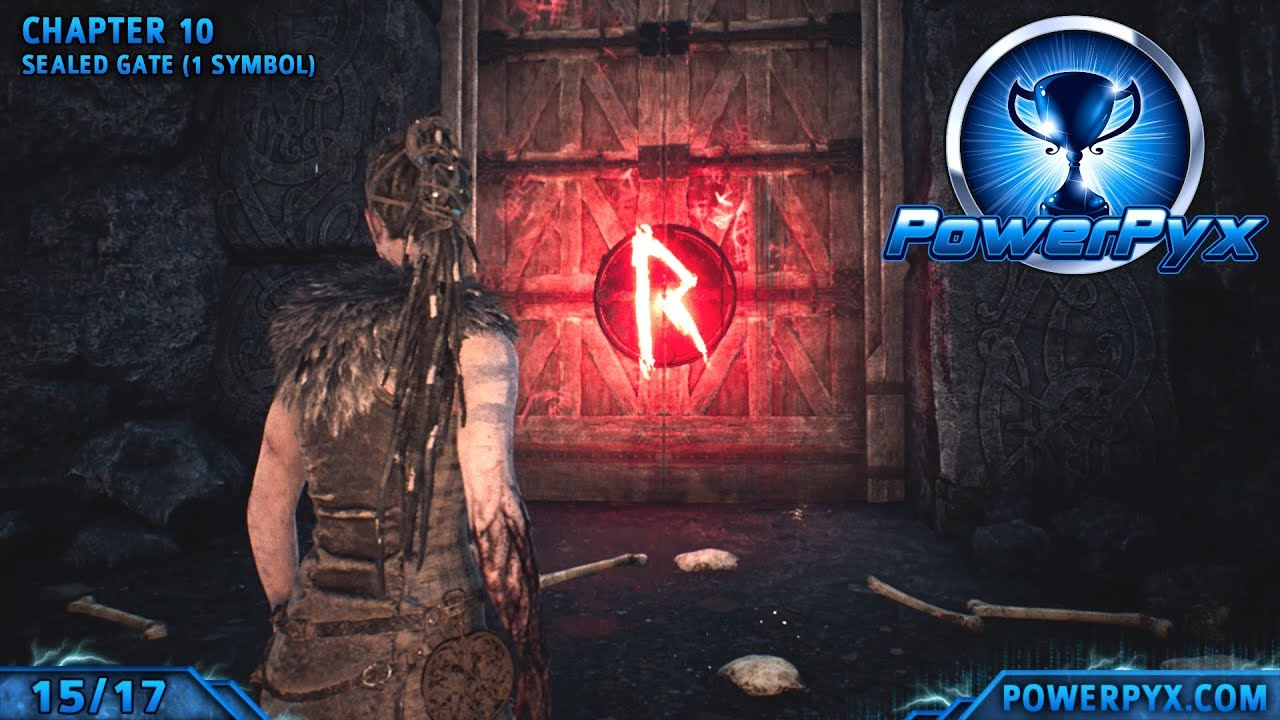
The interplay of light and shadow in Hellblade serves as a fundamental mechanic in puzzle-solving. Players must manipulate light sources to reveal hidden rune symbols and navigate through dark environments. For instance, lighting torches is essential for unveiling pathways and matching symbols to shadows on walls, which are key to unlocking rune doors. This mechanic not only demands players be observant of their surroundings but also encourages them to explore the oppressive darkness, making them keenly aware of their environment.
Without a traditional HUD or explicit markers typically found in video games, the use of light becomes a subtle guiding system within the game. Players can follow illuminated paths that naturally guide them forward through Senua’s psychological landscape. The scattered light sources act as navigational cues, leading players to discover crucial elements necessary for progression while immersing them in the bleak ambiance of the game.
Contribution to Atmosphere
The atmospheric aspects of Hellblade are deeply intertwined with the game’s lighting design. The contrast between warm torchlight and the cold, supernatural luminescence reinforces the psychological horror elements that permeate Senua’s journey. For example, the warm glow from Senua’s torch juxtaposed with the chilling brightness that illuminates the ghost of her mother heightens the emotional stakes during pivotal narrative encounters, intensifying the chilling and unsettling tone.
Moreover, the presence of ghostly figures that emit their own otherworldly light helps immerse players more deeply into Senua’s experiences and mental struggles. The supernatural lighting not only alters the game’s visual landscape but also evokes Senua’s psychosis, enhancing the emotional impact on the player.
Light also serves as a manifestation of danger within the game. For example, a menacing entity is represented as a moving light that poses an immediate lethal threat to Senua. This transforms the glowing elements from mere atmospheric features into tangible gameplay challenges, where the player’s survival hinges on understanding and navigating these light-filled threats.
During combat sequences, the mechanics of light and shadow further contribute to the sense of urgency and claustrophobia. As players face shadowy enemies, the encroaching darkness accompanied by diminishing light creates an intense atmosphere, compelling players to maintain focus and strategize under pressure.
Conclusion
In summary, Hellblade: Senua’s Sacrifice skillfully utilizes light and shadow not just as functional tools for puzzle-solving but as profound narrative devices that encapsulate Senua’s psychological struggles. By weaving together gameplay and story through these atmospheric elements, the game offers a richly immersive experience that resonates deeply with players, effectively blending the challenges of combat and exploration with the emotional weight of Senua’s journey.


Leave a Reply