
In Hellblade: Senua’s Sacrifice, the design of the “Trial” areas serves a dual purpose: they not only introduce unique gameplay challenges but also delve deep into Senua’s psychological landscape. Each trial embodies her struggles with mental illness, trauma, and the search for clarity amid chaos. Below, a detailed breakdown of these trials illustrates how they reflect Senua’s fractured perception and emotional journey.
Overview of Trials in Hellblade: Senua’s Sacrifice
| Trial Type | Description and Themes | Challenge to Perception |
|—————————–|——————————————————————-|————————————————-|
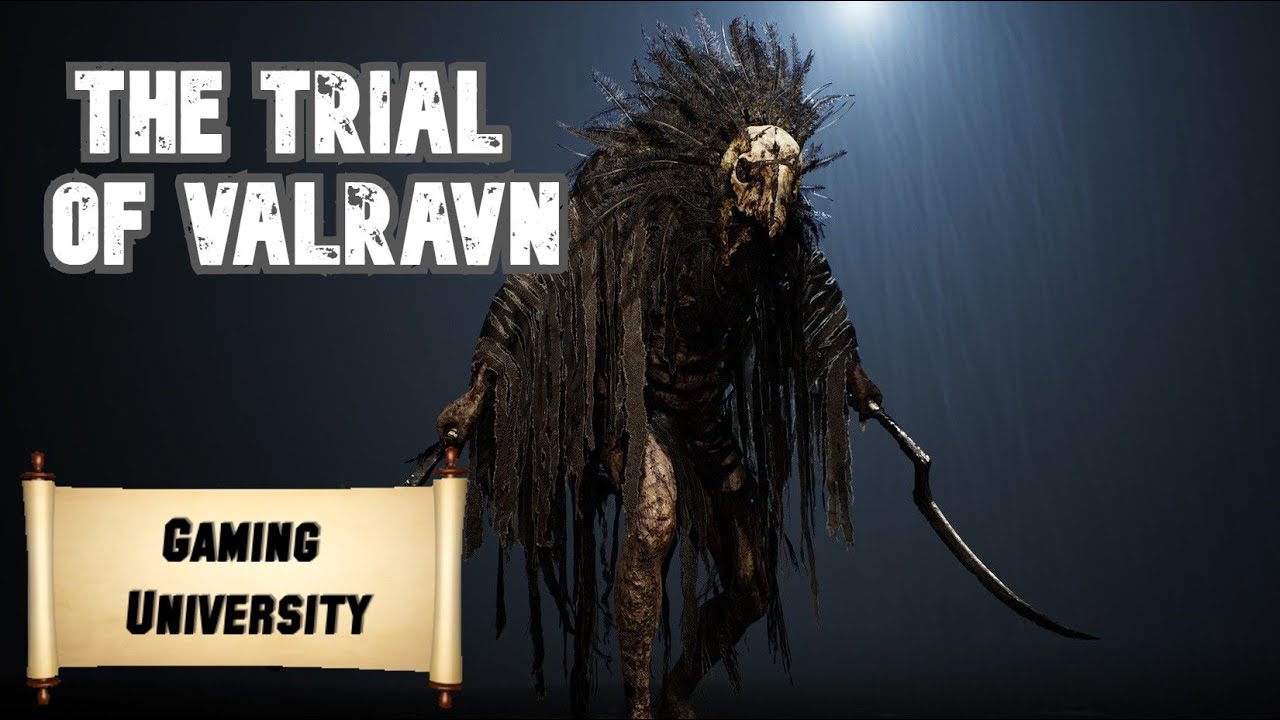
| 1. Dungeon Trial (Trial of Valravn) | Senua navigates a dark maze, lighting torches to mark her path. This symbolizes her efforts to confront and illuminate her traumatic memories, particularly her father’s abusive voice. | Navigating darkness and memory, illuminating trauma through exploration. |
| 2. Swamp Trial | In a decaying swamp, Senua must align her perspective to repair a broken bridge. This trial embodies the interplay between reality and illusion, demanding precise perception to overcome fragmented environments. | Adjusting perspective to reconstruct a coherent reality from disarray. |
| 3. Glyph Doors and Locked Gates | Players encounter doors with glyphs to decipher, requiring alignment with the environment to unlock progress. This emphasizes Senua’s unique vision and her ability to see beyond the immediate. | Identifying and aligning hidden symbols from specific angles to advance. |
| 4. Glass Shard Puzzles | Senua interacts with floating glass shards to repair broken objects or unlock pathways. This emphasizes the importance of perspective as players help Senua piece together her fragmented reality. | Perceiving and reconstructing broken elements to progress through the game. |
| 5. Illusion Gates | Transitioning through illusion gates alters the environment, challenging Senua and the player to differentiate between reality and hallucination. This reinforces the narrative themes of mental distortion. | Distinguishing between hallucination and reality, challenging perceptions. |
| 6. Labyrinth Shard Challenge | This trial involves navigating an endless maze while avoiding threats, symbolizing the complexities of Senua’s mind and her pursuit of clarity. It requires attention to the environment and persistent exploration. | Traversing a mental maze, emphasizing resilience and focus amidst confusion. |
In-Depth Analysis of Trials
1. Dungeon Trial (Trial of Valravn):
– Theme: The act of lighting torches not only provides a visual cue for navigation but also symbolizes Senua’s attempts to illuminate her past traumas. It mirrors her journey of seeking understanding and healing amidst the overwhelming shadows of her mental state.
– Gameplay Insight: The maze-like structure forces players to enhance their memory skills, ensuring they do not become lost in both the literal sense and in relation to Senua’s psyche.
2. Swamp Trial:
– Theme: The swamp, with its stagnant, rotting essence, represents Senua’s stagnant emotional state. The challenge of aligning perspectives to fix a bridge embodies the need to reconcile and understand her fragmented self.
– Gameplay Insight: This trial invites players to engage deeply with the environment, requiring them to find strategic angles to solve puzzles, effectively mirroring Senua’s mental state.
3. Glyph Doors and Locked Gates:
– Theme: The puzzles related to glyphs illustrate the complexities of Senua’s perception, as players must find hidden truths in the environment, reflecting Senua’s journey to uncover her own hidden emotional realities.
– Gameplay Insight: This mechanic encourages meticulous observation and encourages players to navigate not just through space, but also through layers of meaning.
4. Glass Shard Puzzles:
– Theme: The act of repairing objects symbolizes the process of healing and reconciling one’s past. It emphasizes that clarity can be achieved by focusing on specific perspectives, mirroring Senua’s quest.
– Gameplay Insight: This trial challenges players to engage actively with Senua’s environment, promoting a tactile sense of achieving clarity amidst chaos.
5. Illusion Gates:
– Theme: The frequent changes in environment act as metaphors for Senua’s unpredictable mental state. They create a narrative of uncertainty, challenging players to adapt to ever-shifting realities.
– Gameplay Insight: Players must develop an eye for detail, differentiating between the illusions crafted by Senua’s mind and the tangible world around her.
6. Labyrinth Shard Challenge:
– Theme: This trial encapsulates the essence of Senua’s psychological struggle, requiring perseverance in the face of overwhelming fear and confusion. The endless maze symbolizes the complexities of her mental labyrinth.
– Gameplay Insight: Players are compelled to remain focused and attentive, embodying Senua’s fight for clarity and understanding within her own mind.
Conclusion
The trials in Hellblade: Senua’s Sacrifice intricately weave gameplay mechanics with rich narrative themes, reflecting the tumultuous journey of Senua’s mind. Each challenge not only tests the player’s skills but also merges gameplay with emotional storytelling, deepening the immersion into Senua’s world. Through carefully crafted puzzles and environments, players are invited to experience the nuances of perception and the enduring struggle for clarity within a beautifully haunting landscape.


Leave a Reply