
In Hellblade: Senua’s Sacrifice, environmental puzzles play a critical role in shaping the game’s narrative and immersive atmosphere, seamlessly integrating exploration, perception, and illusion-based mechanics. These puzzles not only challenge players’ problem-solving skills but also deepen their understanding of Senua’s psyche and her experiences.
Types of Environmental Puzzles
1. Locked Doors with Rune Symbols:
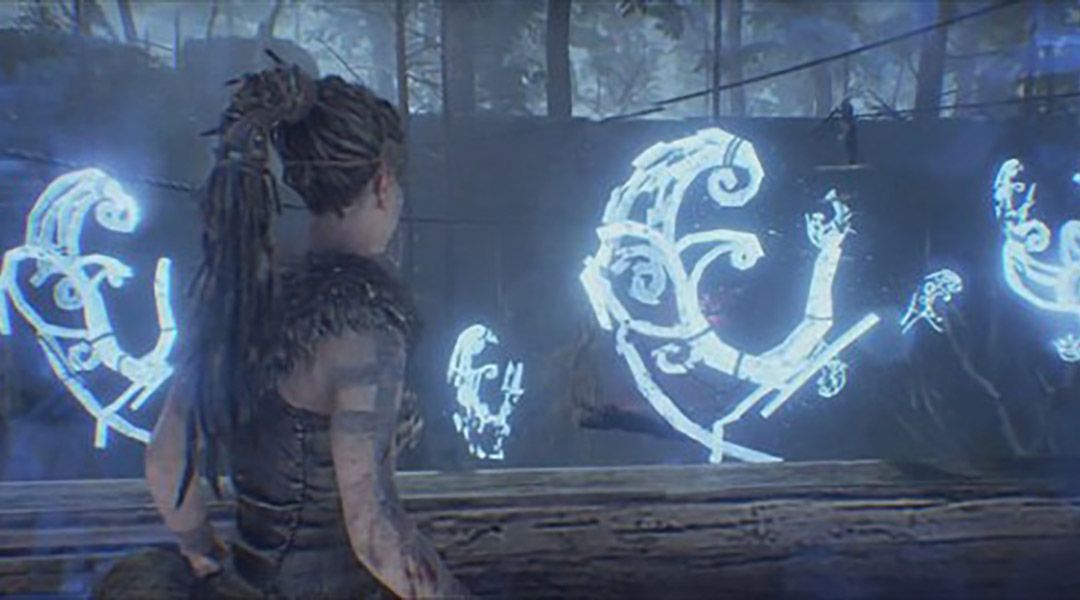
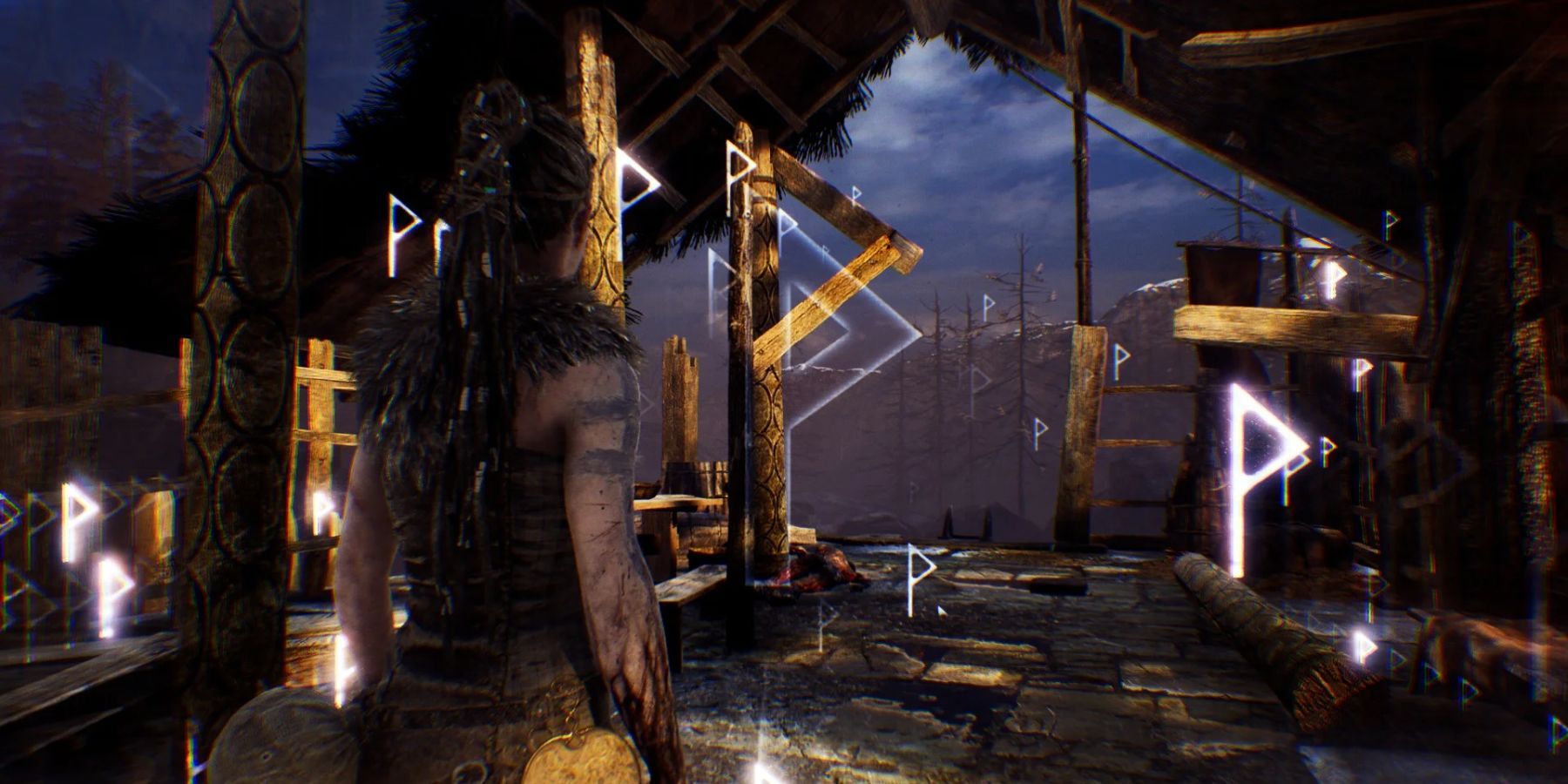
Senua often encounters mysterious locked doors emblazoned with rune symbols. To unlock these doors, players must meticulously search the surrounding environment to locate corresponding rune symbols hidden nearby. This task necessitates acute observation and an exploratory mindset, as players must match the correct runes to their respective doors. The act of searching for runes serves as a metaphor for Senua’s quest for understanding and closure amidst her troubled mind.
2. Endless Mazes:
In specific chapters, such as Chapter 6, Senua navigates labyrinthine mazes that require her to follow distinct paths. These mazes are designed to challenge players with their complex layouts and subtle environmental clues that hint at the correct paths. Memorization and careful navigation become essential as players strive to work through these disorienting structures, reinforcing the themes of struggle and perseverance in Senua’s journey.
3. Illusions to Alter the Environment:
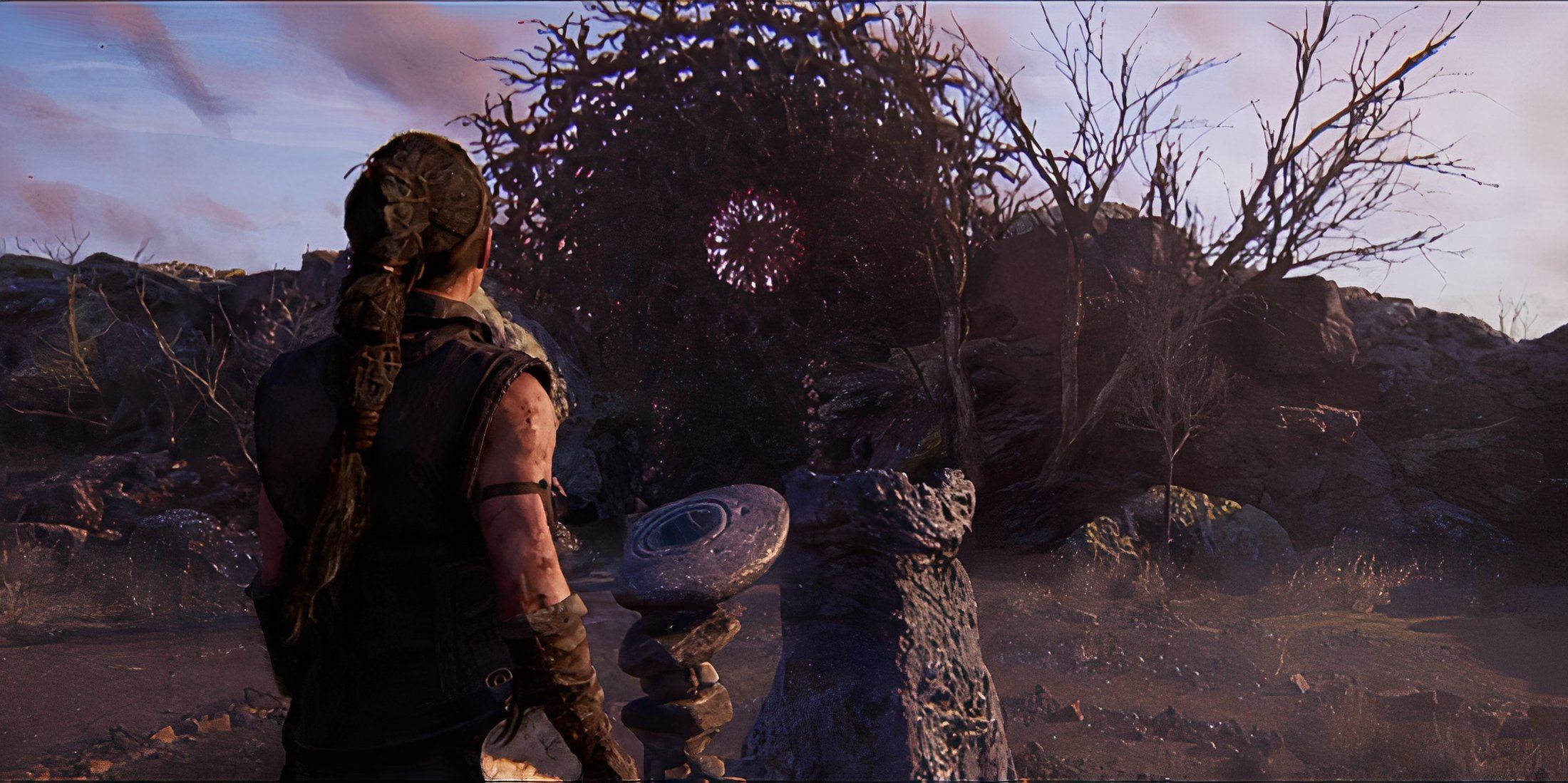
The manipulation of illusions is a hallmark of the environmental puzzles featured in Hellblade. Many challenges involve Senua altering her surroundings to either uncover hidden paths or eliminate obstacles. This mechanic requires players to engage with the environment actively, as they must visualize parts of the landscape that are obscured or fragmented. The shifting dynamics of the environment prompt players to reconsider their perceptions and the nature of reality within Senua’s world, mirroring her own mental struggles.
4. Line-Up and Perspective Puzzles:
Senua often faces puzzles that require her to align elements within the environment from specific vantage points. These perspective-based challenges may involve matching symbols or aligning sections of ruins to create pathways or unlock new areas. This emphasis on viewpoint enhances players’ engagement with the world, as they must shift their perspective to fully comprehend the intricacies of Senua’s reality and the symbolic connections that exist within it.
5. Subtle Visual Clues and Hidden Elements:
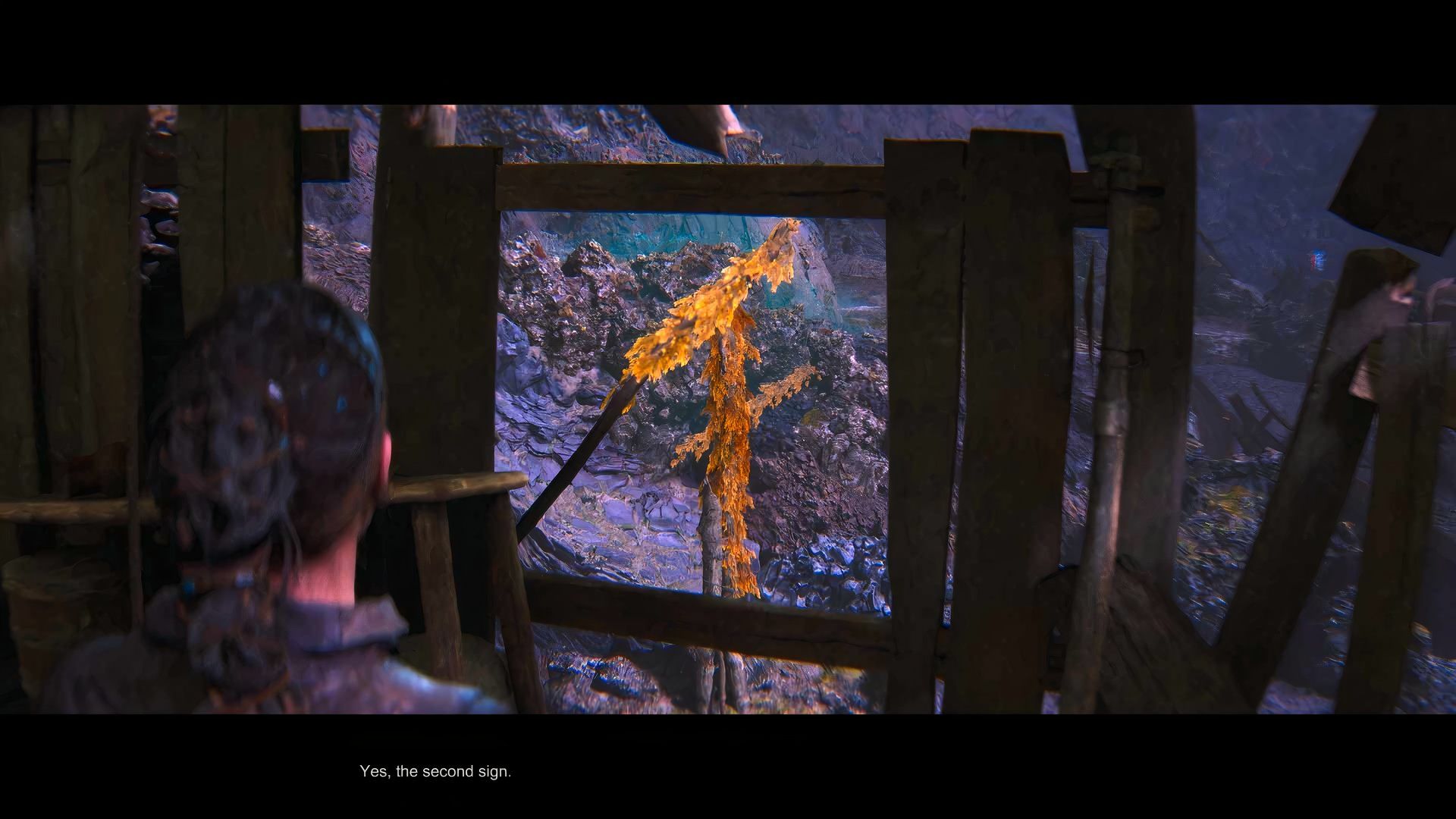
Hellblade features meticulously crafted visual details that enrich the gameplay experience. Subtle elements—such as faint ruin patterns or eye motifs embedded in the landscape—are often cleverly disguised, demanding player attention and exploration. These visual mirages serve not only to challenge players but also to deepen the haunting atmosphere of the game, reflecting Senua’s internal struggle and the pervasive sense of uncertainty that characterizes her journey.
Conclusion
The environmental puzzles in Hellblade: Senua’s Sacrifice are more than mere gameplay mechanics; they embody the game’s central themes of exploration, mental health, and mythological narrative. By engaging players through symbolic matching, illusion manipulation, and perceptive shifts, the puzzles create a thoughtful juxtaposition to the game’s intense combat sequences. This design choice immerses players in Senua’s fractured world, inviting them to experience her trials and triumphs as they navigate the complexities of her mind, ultimately enhancing the game’s exploration of grief, madness, and resilience within the rich tapestry of Norse mythology.
Leave a Reply