
In It Takes Two, the cooperative gameplay is highlighted through various puzzles that demand teamwork and strategic thinking. The puzzles that require one player to act as a distraction while the other solves a challenge are particularly engaging and test your coordination skills. Here’s a comprehensive breakdown of how to work together effectively to navigate these scenarios:
Understanding the Puzzle Type
Start by assessing the specific puzzle you are facing. These puzzles often include mechanisms like:
– Enemies: Opponents that need to be lured away or distracted to allow safe passage for the other player.
– Moving Platforms: Platforms that may only be accessible when another player triggers a mechanism or distracts enemies.
– Hazardous Obstacles: Traps or environmental dangers that require one player to divert attention temporarily.
General Steps for Coordination
1. Identify Roles:
– Designate who will be the distraction and who will tackle the puzzle. This decision may depend on character abilities; for example, one character might be more mobile or capable of engaging enemies effectively.
2. Plan the Distraction:
– The distraction player should choose their method carefully—engaging enemies, triggering traps, or utilizing character-specific skills to divert attention. Knowing what draws the enemies or triggers hazard mechanisms will optimize the distraction strategy.
3. Solve the Puzzle:
– While the distraction is in play, the other player should focus strictly on the mechanics of the puzzle. Actions may include moving platforms, flipping switches, or manipulating items. Concentration is key, so make sure to minimize distractions from outside sources.
4. Timing is Key:
– Precise timing is crucial. The distraction player needs to maintain their role carefully, ensuring that they keep the enemies or obstacles engaged long enough for the puzzle-solver to make progress without interference.
5. Communicate:
– Good communication can greatly enhance efficiency. Use voice chat, in-game signals, or any other means to keep track of each other’s statuses. Regular updates on movement and actions taken can prevent misunderstandings and miscoordination.
Example Puzzle Scenario
Consider a situation requiring the activation of a moving platform while avoiding patrolling enemies:
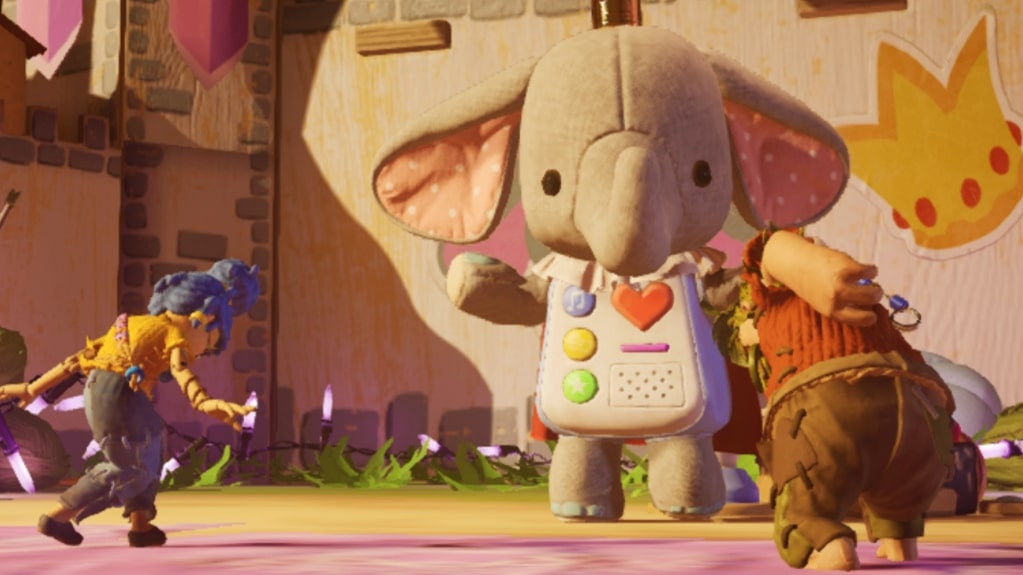
– Player 1 (Distraction): Engages with the enemies, perhaps by utilizing their character’s skills to draw them away from the platform area—a tactic might be to use loud noises or flashy actions to capture their attention.
– Player 2 (Puzzle Solver): While Player 1 is busy, they activate the platform through necessary actions, such as pulling levers or navigating through trap zones.
Tips for Success
– Practice Makes Perfect: Some puzzles are inherently challenging and may need several attempts to perfect the coordination. Don’t hesitate to retry until you get the hang of it.
– Use the Environment: Look for natural cover or distractions you can leverage within the environment to help the distraction player manage threats effectively.
– Stay Aligned: Maintain a clear understanding of roles and strategies. Clear, assertive, and timely communication is vital to avoid overlap and confusion during puzzle-solving.
By following these steps and consistently practicing your teamwork skills, you will be adept at overcoming distractions and solving puzzles in It Takes Two. It’s all about synergy—so keep communicating, coordinating, and enjoying the collaborative experience!
Leave a Reply