
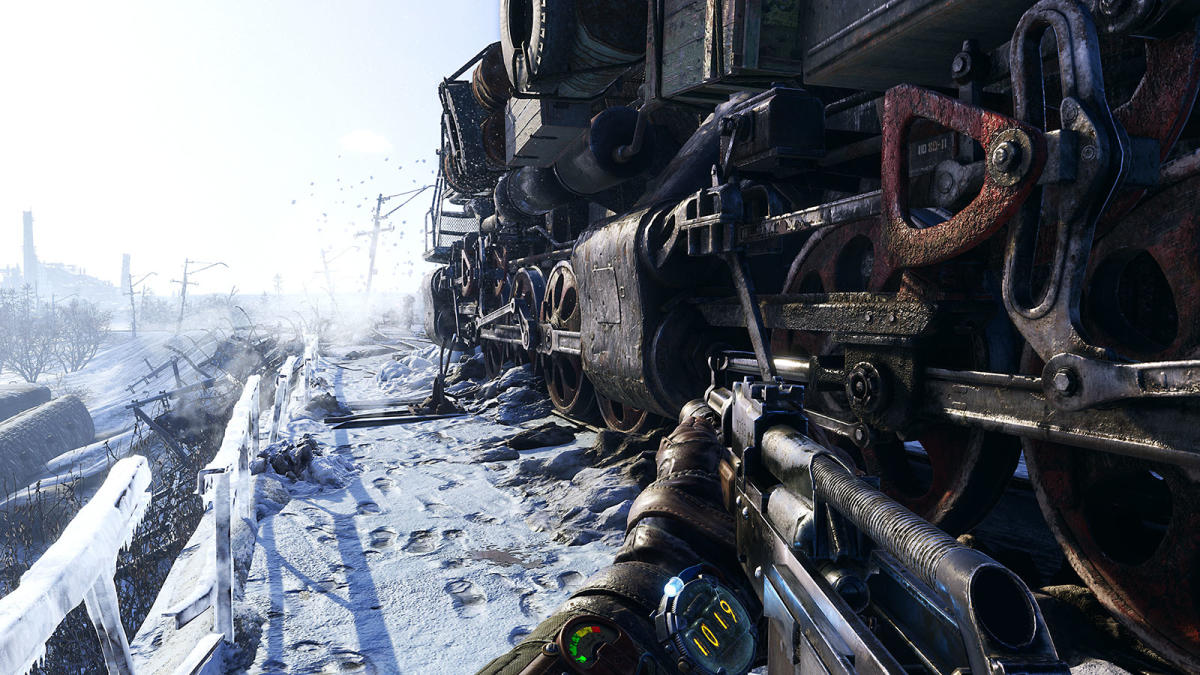
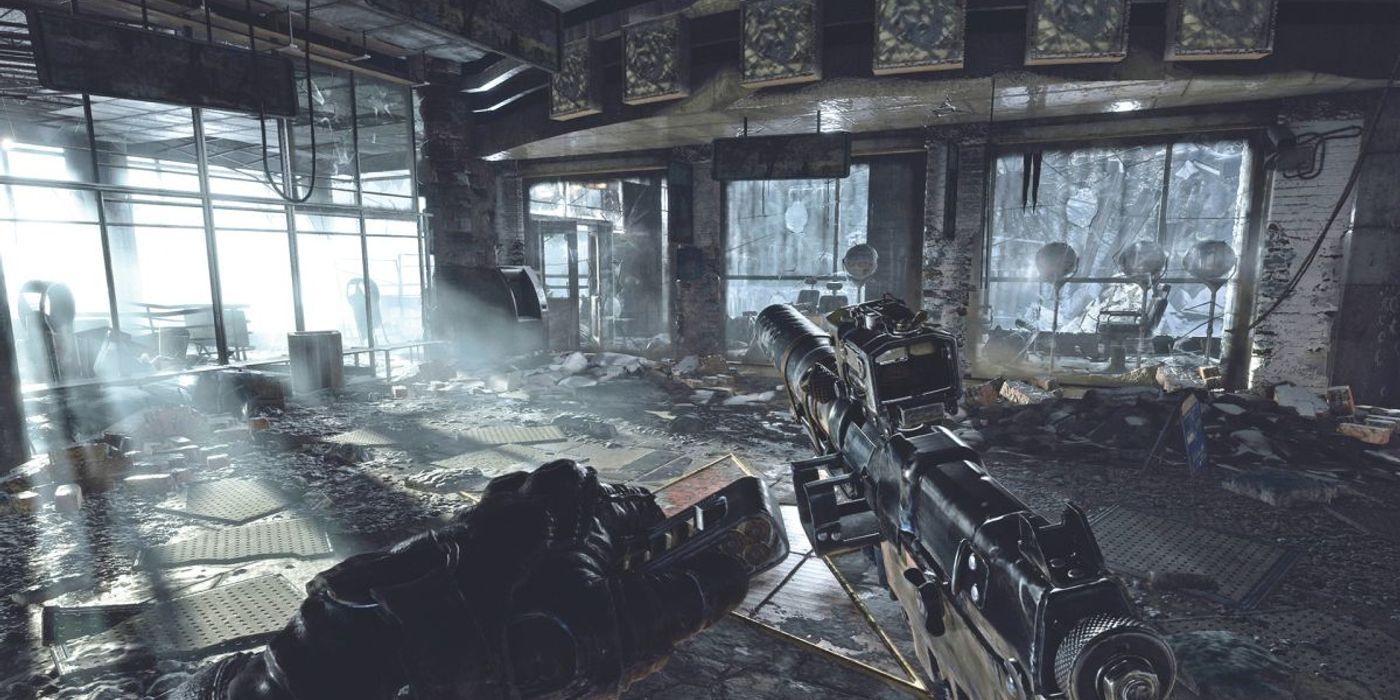
In Metro Exodus, players are immersed in a richly crafted post-apocalyptic world punctuated by numerous environmental hazards that significantly influence gameplay and survival strategies. Key hazards include radiation zones and anomalies, each presenting unique challenges that test the player’s resource management skills and decision-making abilities.
Radiation Zones
Radiation zones are among the most critical threats in Metro Exodus. Their effects on gameplay are profound, primarily through the following mechanics:
– Gasmask and Filters: The gas mask serves as Artyom’s primary defense against toxic environments. Filters are essential accessories that purify the air, but they have a limited lifespan. As the narrative unfolds, players must constantly be aware of the filter’s longevity, characterized by an audible beeping warning when they need replacement. Failing to replace the filter before it expires can lead to detrimental health effects such as impairment of vision and eventual death from radiation exposure. This pressures players to manage their filters diligently, prompting exploration for new supplies and emphasizing careful planning.
– Geiger Counter: This instrument acts as a lifeline in radiation zones. It alerts players to varying radiation levels, providing crucial information that enables informed navigation through hazardous areas. When players experience vision distortion from radiation, it becomes apparent that immediate action is required to find shelter. This dynamic forces players to stay alert and continuously plan their routes, making navigation a strategic endeavor fraught with tension.
Anomalies
While anomalies may not carry as explicit mechanics as radiation zones, they add to the environmental complexity and danger:
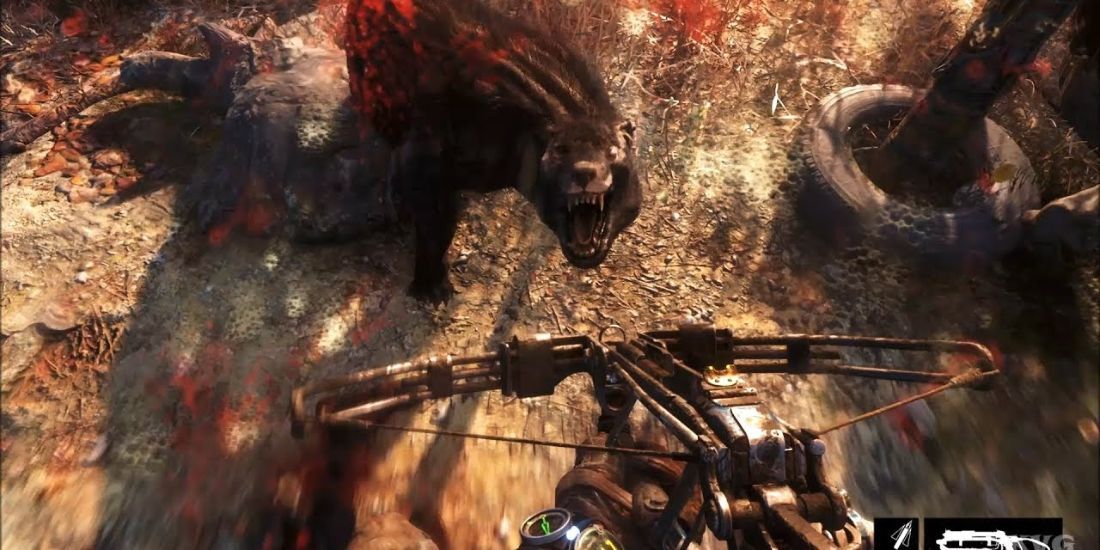
– Environmental Dangers: Anomalies present unpredictable threats that challenge players to navigate their surroundings cautiously. These phenomena often require players to adapt quickly, weighing the risks of exploration against potential rewards. The existence of mutants and severe weather conditions further complicates this, urging players to assess the environment and implement stealth strategies to remain undetected, thereby enhancing the survival atmosphere of the game.
– General Survival Mechanics: The interaction with anomalies ties into Metro Exodus’s broader themes of survival. Players are encouraged to balance exploration with extreme caution, utilizing the game’s stealth mechanics to evade threats. The unpredictability of anomalies requires players to remain vigilant at all times, coupling environmental awareness with stealth tactics for maximum survival effectiveness.
Overall Survival Mechanics
Survival in Metro Exodus extends beyond immediate environmental hazards:
– Resource Management: Players must navigate a world where ammunition serves as both a weapon resource and a currency. This dual role places immense pressure on decision-making, where conserving and wisely utilizing ammunition directly impacts survival; strategic scavenging becomes vital. Players must prioritize crafting materials and repairs, ensuring their equipment remains functional amid a constantly threatening environment.
– Exploration and Stealth: Exploration is a critical component of survival in Metro Exodus. Players are encouraged to explore with caution and strategy, balancing the need for resources against the inherent dangers of their surroundings. By utilizing stealth, players can avoid confrontations, conserve resources, and ultimately survive the dangers that lurk in the shadows of this bleak world.
Conclusion
In summary, environmental hazards such as radiation zones and anomalies in Metro Exodus are intricately woven into the survival mechanics. Players are required to be vigilant, manage their resources judiciously, and employ strategic approaches to navigate these dangers effectively. This depth of engagement not only enhances the tension of gameplay but also underscores the constant struggle for survival in the game’s stark, post-apocalyptic landscape.


Leave a Reply