
In Night in the Woods, the dialogue choices contribute significantly to character development and emotional engagement, yet they do not steer the overarching narrative or result in divergent endings. This design choice aligns with the game’s thematic exploration of agency, relationships, and the complexities of adult life within a small-town context.
Character Interactions Over Narrative Divergence
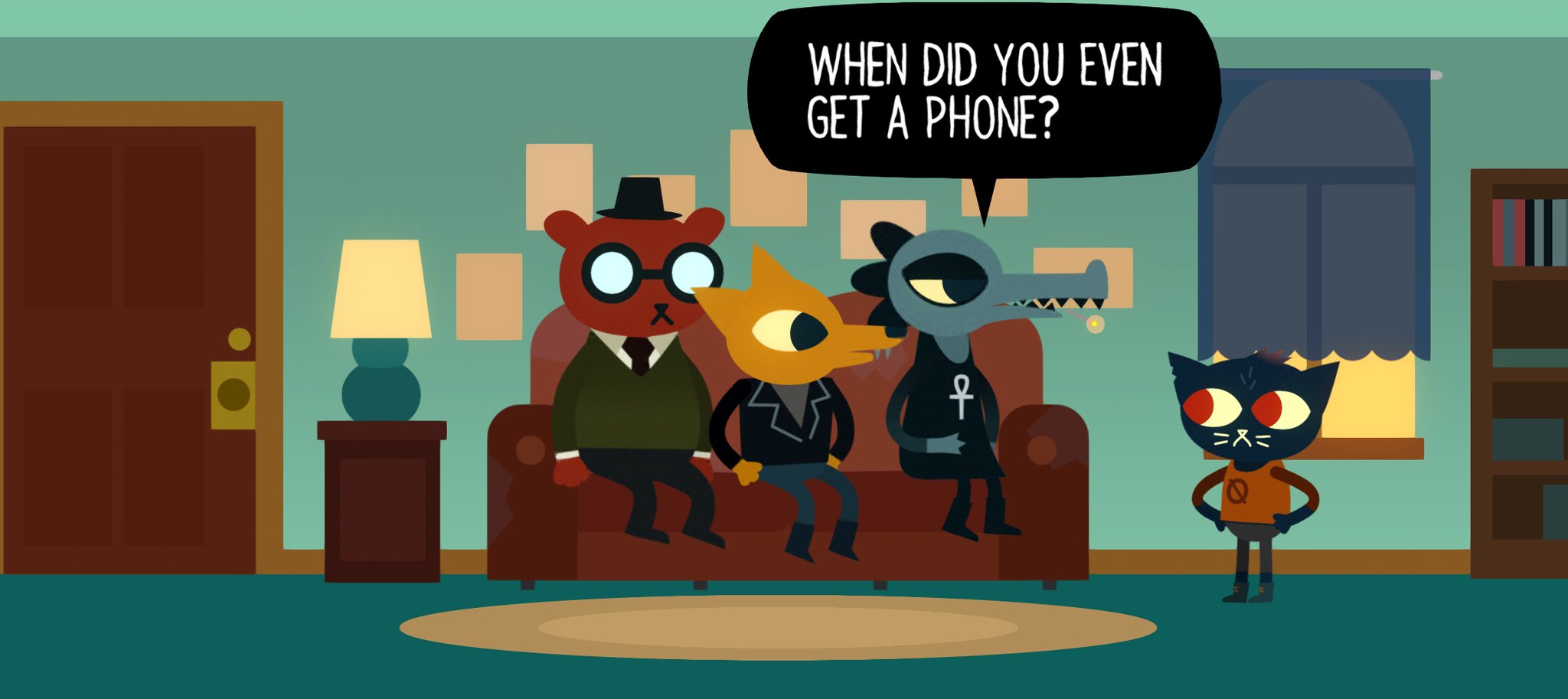
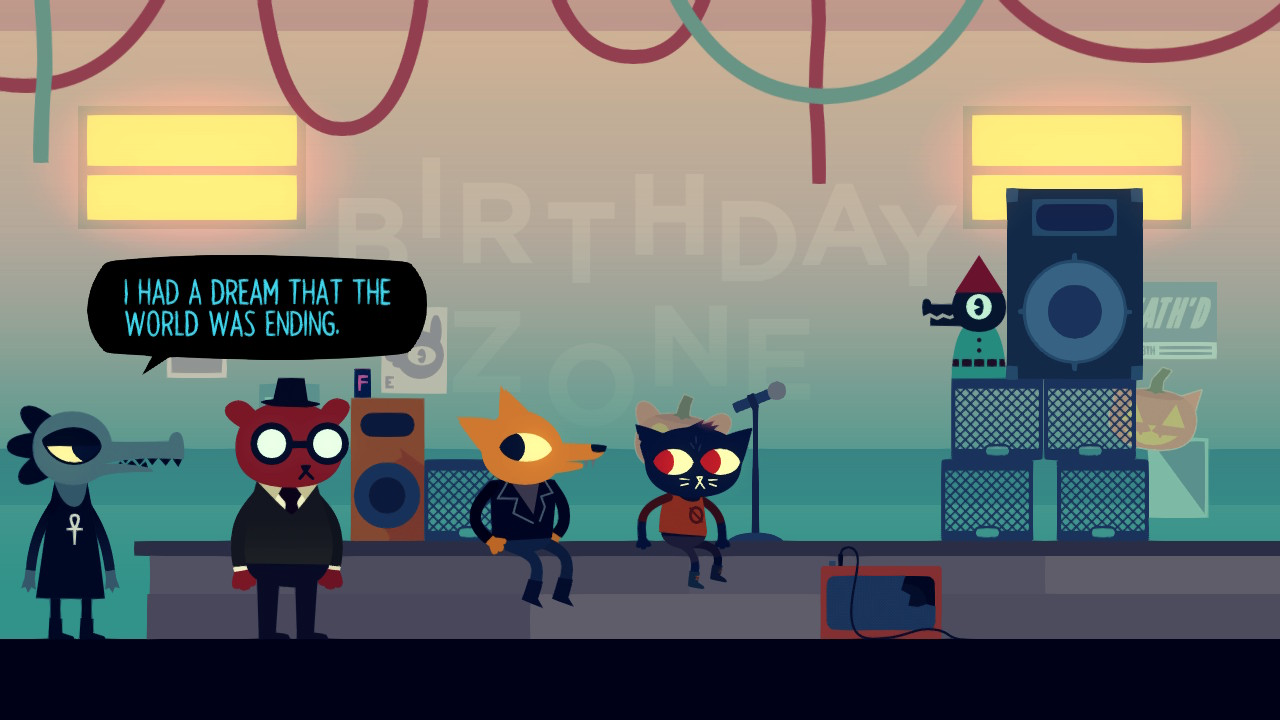
The game’s emphasis on personal connections is evident in how dialogue options operate. Players choose whether to accompany characters like Gregg or Bea, and while this choice doesn’t alter the storyline’s trajectory, it enriches the interaction experience and fosters a deeper bond between Mae and the chosen character. Each interaction unveils different facets of their personalities, history, and struggles, providing a personalized and immersive storytelling experience. For instance, spending time with Bea might lead to poignant discussions about her family and emotional turmoil, while time spent with Gregg offers lighter, yet equally significant moments of friendship.
Illusion of Choice and Themes of Agency
A striking aspect of the dialogue is how it illustrates the overarching theme that real choice often eludes us in life. Mae’s experiences often reflect this through the illusion of choice; despite the various options presented—such as her decision to drink at Harfest—events play out predictably, underscoring how circumstances often override personal agency. This thematic portrayal resonates strongly with players, as it mirrors the realities many face in their own lives, where choices feel predetermined by external factors.
Personalization in the Narrative’s Conclusion
As the game progresses, especially toward the conclusion, the time spent with particular companions influences the interactions that Mae has during the epilogue. This dynamic layer allows for a sense of closure that is unique to each player’s journey. By reflecting on the relationships built through earlier dialogue choices, the game reinforces emotional ties without altering the fundamental plot. This narrative elegance ensures that while the story remains consistent, it still feels personal and meaningful based on individual experiences throughout the game.
Thematic Exploration Through Conversations
Even when engaging with significant story themes—such as Bea’s personal struggles or broader mental health topics—the choices made during dialogue shape how players perceive and relate to these issues. However, they do not dictate their resolutions. This approach allows players to engage empathically with the characters, fostering understanding and reflection without diverting the story into multiple outcomes. The focus remains on emotional resonance rather than branching narratives, highlighting the game’s commitment to exploring the often harsh realities of life through the lens of its characters.
Conclusion
Overall, Night in the Woods utilizes dialogue choices as a means to enhance emotional connection and character exploration while simultaneously emphasizing themes of limited agency and relational complexities. By focusing on how choices influence interactions rather than the overall trajectory of the narrative, the game invites players to engage with its characters on a deeper level, reinforcing the poignant experiences of growing up and facing the challenges of adulthood. This deliberate choice in narrative structure ultimately amplifies the game’s emotional impact and authenticity.


Leave a Reply