
In “Night in the Woods,” exploration serves as a vital and immersive component, seamlessly marrying traditional platforming elements with a rich narrative centered on personal and communal themes. This exploration mechanic is not merely a backdrop for gameplay but is intricately woven into the fabric of storytelling, character development, and the overall atmosphere of the game. Below is a detailed examination of how exploration functions within the game:
Mechanics of Exploration
Platforming and Movement:
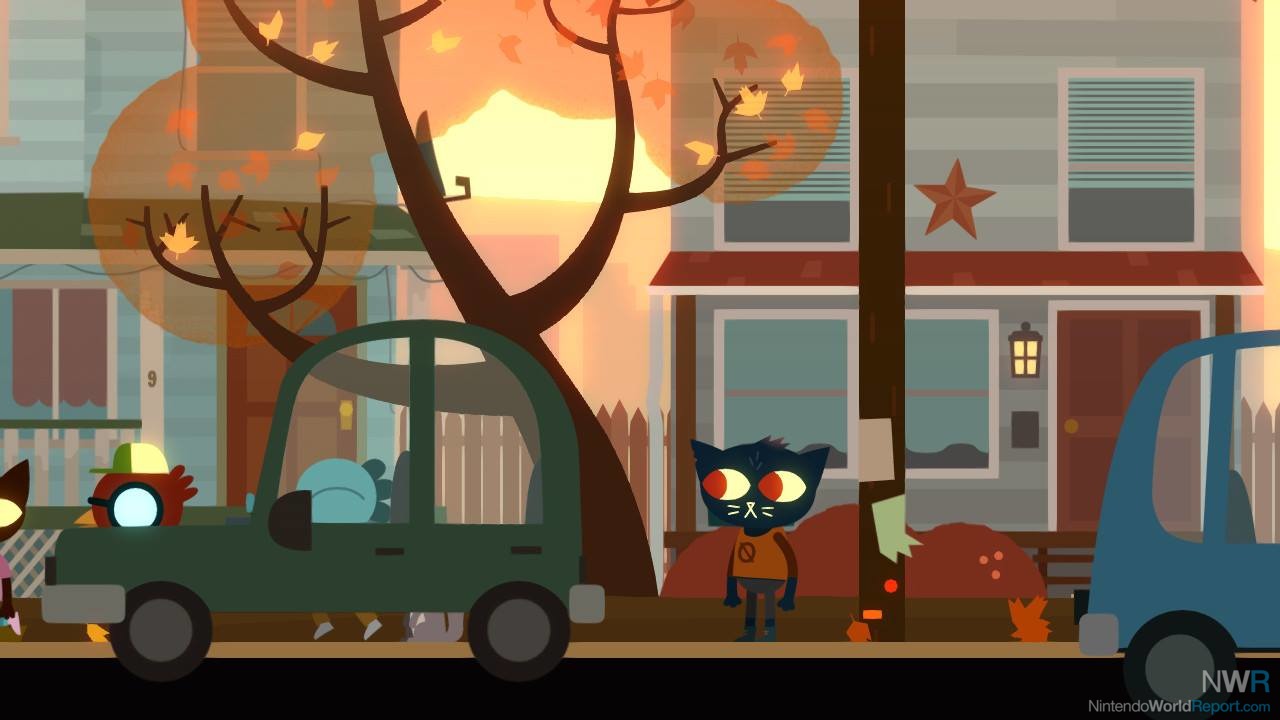
Players take on the role of Mae Borowski, a resilient young cat who returns to her hometown of Possum Springs. Mae’s movement capabilities—running, jumping, and climbing—facilitate an engaging platforming experience that encourages players to traverse various environments. Key locations such as the town square, the local diner, and the expansive woods are not just visually distinct; they are integral to the unfolding story, showcasing different facets of Mae’s life and the lives of the townsfolk she interacts with.
Day-to-Day Changes:
Each in-game day introduces new dialogues, events, and interactions, underscoring the flow of time in Possum Springs. This daily progression influences Mae’s exploration, as certain opportunities or interactions may be available on one day but not another. Players are prompted to venture out each day, which fosters a sense of curiosity and anticipation for discovering new story elements.
Narrative Focus and Spatial Storytelling
Story-Driven Exploration:
“Night in the Woods” prioritizes narrative, using exploration as a means to delve deeper into the emotional landscapes of its characters. Players are encouraged to engage with the environment in ways that reveal backstories and motivations, employing a style of storytelling that is often more impactful than traditional dialogue-driven narratives. Observations and conversations often reveal hidden nuances about Mae’s relationships and her environment, enriching the player’s understanding of the overarching themes of belonging and loss.
Spatial Storytelling:
The design of Possum Springs plays a significant role in spatial storytelling. As Mae navigates the town, players uncover environmental clues and subtextual narratives that hint at the town’s history and current conflicts. For instance, conversations with NPCs provide context about the local economy and changing social dynamics, allowing players to piece together the town’s intricate tapestry without needing to dive into elaborate cutscenes.
Environmental Details and Clues
Environmental Clues:
The world of “Night in the Woods” is dynamic, with areas evolving throughout the game. Exploration leads players to diverse environments, such as wooded paths, dilapidated structures, and alleys, which harbor clues about the town’s past and present turmoil. These elements are critical in enhancing the game’s atmosphere and teasing out the underlying mystery, particularly around the cult that worships the Black Goat and its connection to recent disappearances.
Relevance to the Mystery:
As players venture through the world, Mae’s exploration becomes essential to unearth dark secrets that haunt the community. Engaging with various characters and settings not only progresses the storyline but also enriches Mae’s understanding of her own identity amidst the town’s bizarre happenings.
Impact on Story and Character Development
Character Interactions:
Exploration frequently leads to meaningful interactions with Mae’s friends—Bea, Angus, and Gregg—who each possess unique struggles and perspectives. These interactions contribute to the emotional core of the game, allowing players to empathize with each character while also witnessing Mae’s evolution. The relational aspects encouraged by exploration solidify connections that inform the game’s narrative trajectory.
Consequences of Actions:
While “Night in the Woods” lacks traditional branching story arcs, the player’s choices and interactions still hold weight. Decisions made during exploration can affect the depth of Mae’s relationships and how her friends respond to her. This subtle interplay creates a relational tapestry that reflects the complexities of real life, emphasizing personal growth and the impact of social connections in navigating adversity.
Conclusion
In summary, “Night in the Woods” utilizes exploration not only as a gameplay mechanic but as a profound vehicle for storytelling and character development. By blending platforming with a richly narrated environment, players are invited to engage thoughtfully with Mae’s world, fostering connections and unraveling mysteries in a town that is as layered as its characters. Through exploration, players navigate both physical spaces and emotional landscapes, culminating in a unique and introspective gaming experience.

Leave a Reply