
Visual Storytelling and Character Design in Night in the Woods
The aesthetic and design choices in Night in the Woods play a pivotal role in how the narrative unfolds, providing layers of meaning that enhance the emotional engagement of the player. Below is an in-depth analysis of the various elements that contribute to the game’s unique storytelling approach:
Character Animation and Interactions
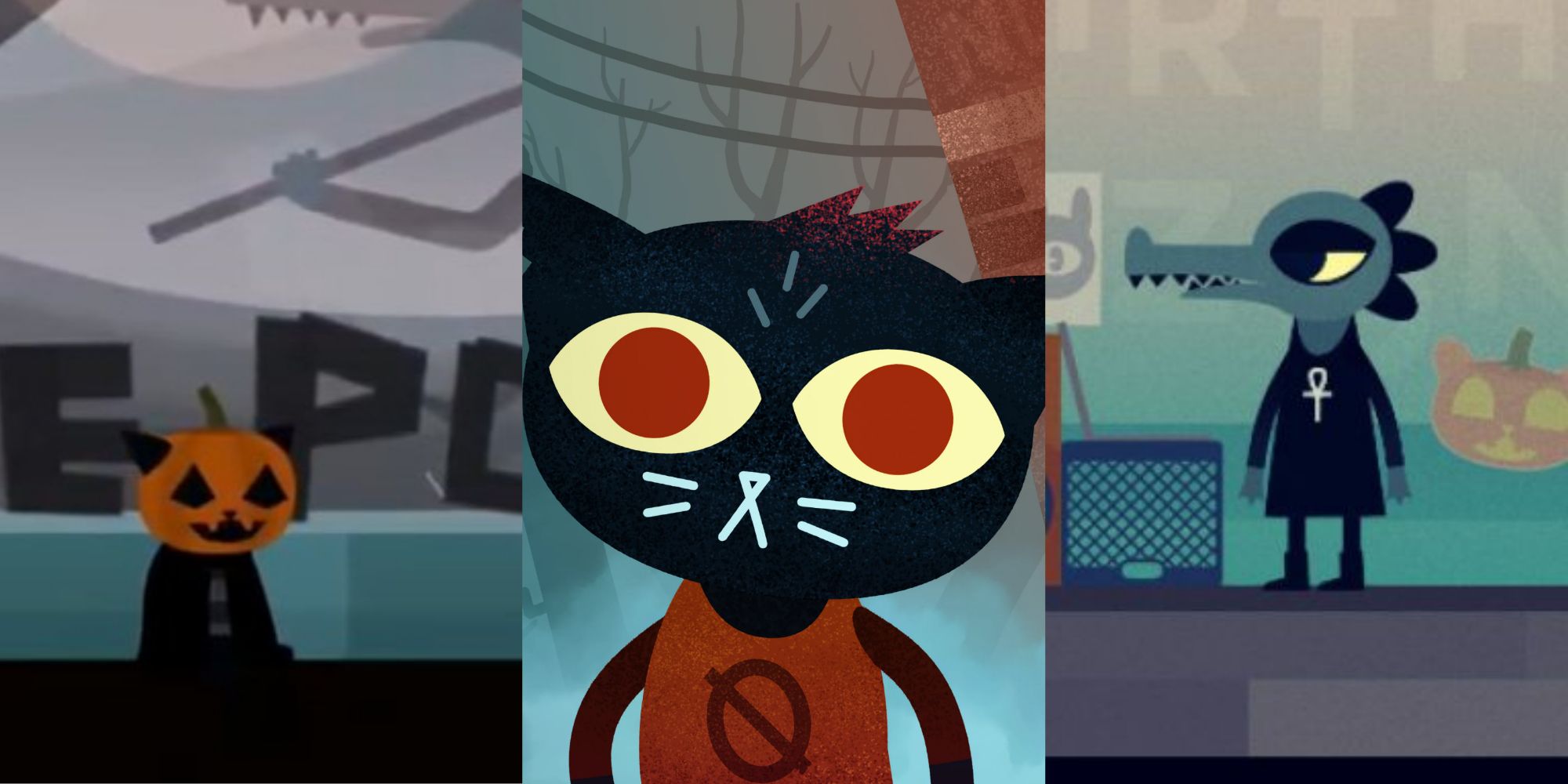
One of the most striking features of Night in the Woods is its meticulous character animations and interactions. The game utilizes a range of facial expressions and body language to effectively convey the emotions of its characters, allowing players to glean insights into their personalities and histories. For instance, characters might lean in during a conversation to indicate intimacy or withdraw to signify discomfort, showcasing the depth of their relationships. Such visual nuances serve not only to enrich the dialogue but also to provide players with a deeper understanding of the characters’ emotional landscapes, which are central to the narrative’s progression.
Environmental Storytelling
Possum Springs is not just a setting; it acts as a living entity filled with narrative significance. The game’s environments are intricately designed to reflect the town’s socio-economic fabric and the personal histories of its inhabitants. For example, the dilapidated state of certain areas can symbolize economic decline, while landmarks like the local diner or the town square evoke nostalgia and community memories. As players explore these spaces, they encounter visual cues that inform them about the past events that have shaped the characters, making exploration an experiential part of the storytelling.
Use of Space and Layout
The intentional design of Possum Springs promotes exploration and discovery, integral themes of the game. Ambiguities in the layout encourage players to wander, uncovering new places and encounters that gradually piece together the narrative tapestry. This thoughtful spatial design invites a sense of lingering curiosity, allowing players to engage with the story at their own pace. As players traverse the open spaces, they not only discover new facets of the plot but also additional layers to character development, enriching the overall narrative experience.
Symbolism and Art Style
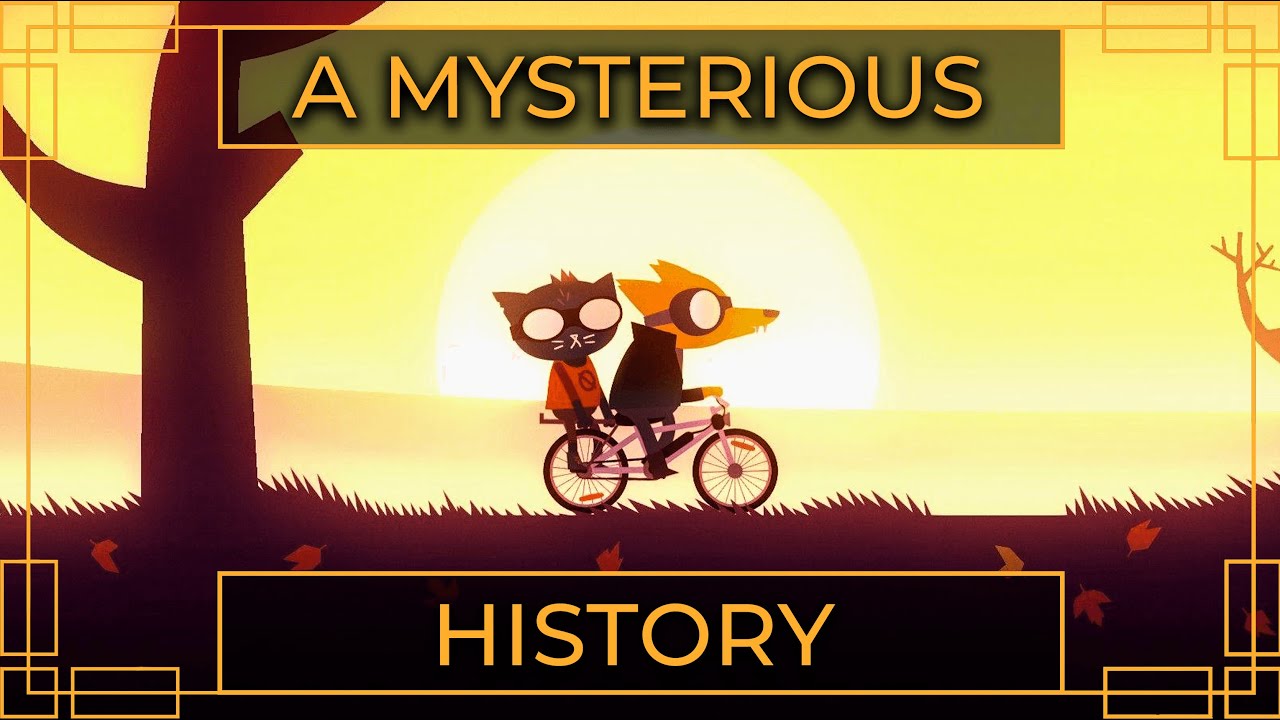
The game’s distinctive art style employs vibrant but sometimes subdued colors that correlate directly with the emotional states of the characters and the thematic elements of the story. This use of color creates a visual dichotomy that can emphasize the contrast between hope and despair, or nostalgia and reality. For example, brighter colors may represent youthful exuberance or the brighter moments in life, while muted tones could suggest sadness or burdens. Such symbolism enables players to engage with the emotional undercurrents of the narrative on a deeper level, prompting personal reflection alongside the characters’ journeys.
Interactive Elements
The integration of interactive mechanics further enhances the storytelling in Night in the Woods. Players participate in simple yet meaningful activities, from sharing food to engaging in mini-games with other characters. These interactions forge stronger bonds with the characters and facilitate a sense of belonging within the narrative. This immersive engagement allows players to feel as though they are contributing to the stories of their friends rather than merely witnessing events unfold. The interplay between gameplay and story makes for a rich, interactive experience that deeply connects players to the narrative.
Conclusion
Ultimately, Night in the Woods excels at weaving a narrative that is communicated through a sophisticated blend of visual storytelling, character design, environmental storytelling, and interactivity. These elements work in concert to create a deep, immersive experience that resonates with players, making them feel as if they are not just observers but active participants in the unfolding story of Possum Springs and its inhabitants. In doing so, the game not only narrates a story of personal and communal significance but also invites players to reflect on their own lives and the intricacies of human connection.



Leave a Reply