
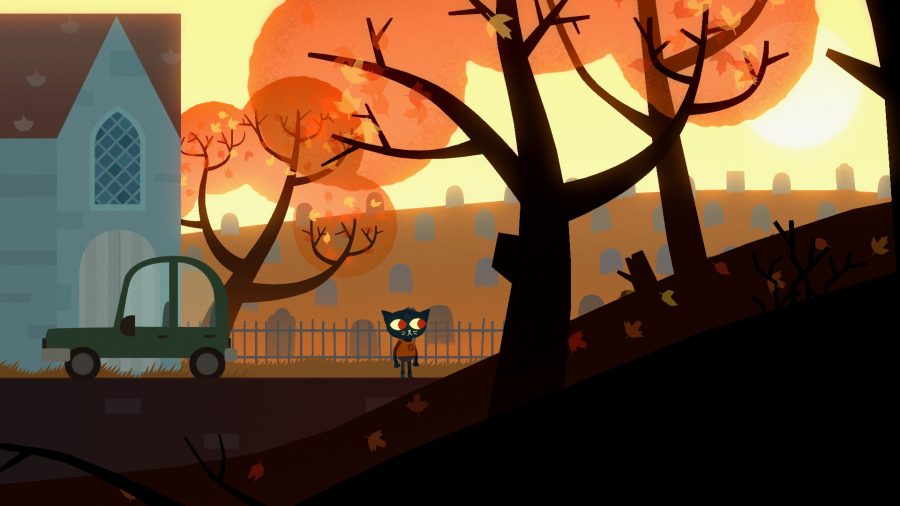
In Night in the Woods, Mae Borowski’s return to her hometown of Possum Springs can be seen as a complex interplay of various motivations that stem from her experiences and emotional state. While her reasons are not laid out in a straightforward manner, they reveal significant insights into her character and the themes of the game.
1. Academic Disengagement: Mae’s decision to drop out of college signals a critical moment of disillusionment. This action hints at a deeper struggle with identity and purpose, as she is overwhelmed by the expectations of academic life and her own aspirations. The choice to return home can be interpreted as a search for solace in a place that once felt safe and nurturing, contrasting with the pressures she faced at college.
2. Financial and Familial Concerns: Returning home after leaving school also brings about financial implications not only for herself but for her family as well. This aspect introduces a layer of guilt, as Mae feels a burden on her family due to the costs of her education and subsequent drop from it. In light of this stress, her return may be driven by a need for familial support and a longing for stability that comes from being with loved ones.
3. Reconnecting with Friends: A core aspect of Mae’s journey revolves around her desire to reconnect with her childhood friends—Bea, Angus, and Gregg. These relationships serve as a crucial anchor for Mae as she navigates through her confused emotions and uncertain future. Social connections play a vital role in providing her with a sense of community and belonging, especially as she confronts the changes that both she and her friends have undergone since their youth.
4. Facing Isolation and Mental Health Challenges: The narrative of Night in the Woods also delves into themes of mental health, with Mae experiencing moments of profound isolation and existential crisis. Her choice of returning home can be viewed as an instinctual effort to confront these feelings head-on in a familiar setting. Possum Springs embodies a sense of community that can be comforting amidst her struggles with loneliness and disconnection. Her friends and the environment can be seen as therapeutic outlets, potentially offering her a pathway towards healing.
In summary, Mae’s return to Possum Springs is a multifaceted decision influenced by her academic discontent, financial strains, a yearning for reconnection, and a need to confront her mental health challenges. These intertwined motivations create a rich narrative that explores the complexities of returning home and the importance of community and support systems during times of personal upheaval.




Leave a Reply