
In Night in the Woods, the act of collecting “Covers” and interacting with historical markers serves a crucial role in enhancing the player’s connection to the overarching themes and socio-economic context of Possum Springs. These elements do not merely function as optional tasks; instead, they are deeply intertwined with the narrative structure and emotional depth of the game.
Historical Markers
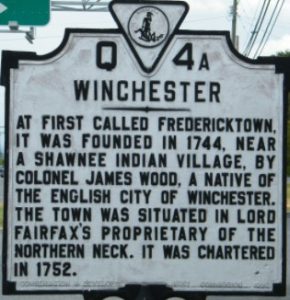
The historical markers scattered throughout Possum Springs play a vital role in revealing the town’s rich yet troubled past. Each marker unveils facets of the town’s industrial legacy, detailing events such as mining accidents, labor strikes, and the exploitation faced by the working class. These narratives paint a picture of economic decline and the resulting social tensions, ultimately framing the struggles of the town’s residents within a broader commentary on systemic oppression and capitalism.
By uncovering these histories, players gain insight into how the community’s present circumstances—marked by poverty and disenfranchisement—are rooted in historical injustices. This contextual knowledge not only deepens the storytelling but fosters a sense of empathy and connection to the characters who inhabit this world, illuminating their personal hardships and dreams against a backdrop of adversity.
Covers
Similarly, the “Covers” serve to embed players further into the cultural fabric of Possum Springs. Each collectible related to the artwork or lore of the town encapsulates anecdotes and shared experiences that define its community. Through these items, players encounter personal stories and artistic expressions that reflect the collective identity of the town’s inhabitants. This exploration of culture resonates with themes of resilience, survival, and the struggle against economic hardship, enriching the player’s understanding of both individual and communal narratives.
The significance of Covers lies in their ability to highlight the everyday realities faced by the townsfolk, resonating with themes of nostalgia and loss. They encourage players to engage more profoundly with these themes and consider the impacts of economic transition on a community. Instead of offering tangible gameplay advantages, these collectibles enrich the atmosphere and narrative depth, drawing players into a reflective engagement with the socio-political commentary permeating the game.
Thematic Exploration
Through the combination of these narrative tools, Night in the Woods facilitates a robust exploration of existential dread and class struggle. The collectibles invite players to confront the legacies of industry and the systemic forces that perpetuate inequality, fostering a more profound understanding of the challenges faced by working-class communities. By interacting with the historical markers and Covers, players are encouraged to think critically about the intertwining of personal and communal histories, as well as the broader implications of economic and social systems that continue to shape the lives of those in Possum Springs.
In conclusion, the integration of Covers and historical markers enriches the immersive experience of Night in the Woods, turning the game into a poignant reflection on the complexities of modern existence against a backdrop of historical depth, social critique, and community resilience. These elements serve not just as collectibles but as poignant reminders of the narratives that bind individuals to their histories and to each other.




Leave a Reply