
In Planet Zoo, the effective implementation of barriers and elevation is vital for creating engaging habitats that not only provide security for the animals but also enhance the visitor experience through improved viewing angles. Here’s how players can optimize their zoo designs using these features:
Using Barriers for Habitat Design and Viewing
1. Barrier Types and Placement:
– Selecting the correct type of barrier is essential based on the species housed within the habitat. Different animals have varying escape tendencies, necessitating barriers with appropriate resistance grades. For instance, stronger or larger animals, such as tigers or bears, require more robust barriers to prevent escapes.
– To deploy barriers, players should enter the barrier editor, choose from various wall types such as transparent glass for unobstructed views or sturdy concrete for secure enclosures, and strategically place them around the perimeter of each habitat. Adjusting the style and height of barriers can enhance the overall aesthetic and match the theme of the zoo.
2. Adjusting Barrier Height:
– It’s possible to raise or lower barrier heights to accommodate animal needs while also aiming for optimal sightlines for visitors. The Zoopedia provides crucial information regarding the minimum height needed for each species. Importantly, ensuring there are no climbable surfaces near barriers permits the use of lower fences, enabling a more open view for guests, particularly with large cat species that may not require excessively tall enclosures if positioned correctly.
3. Using Null Barriers and Construction Fences:
– Implementing null barriers can greatly enhance the viewing experience. These barriers are either transparent or have negligible visual impact while still containing the animals effectively. For instance, at strategic viewing points, players can use construction fences, which are temporary yet visually unobtrusive, to allow for a more immersive experience without compromising the safety or security of the animals.
Using Elevation to Improve Viewing Angles
1. Raising Habitats and Barriers:
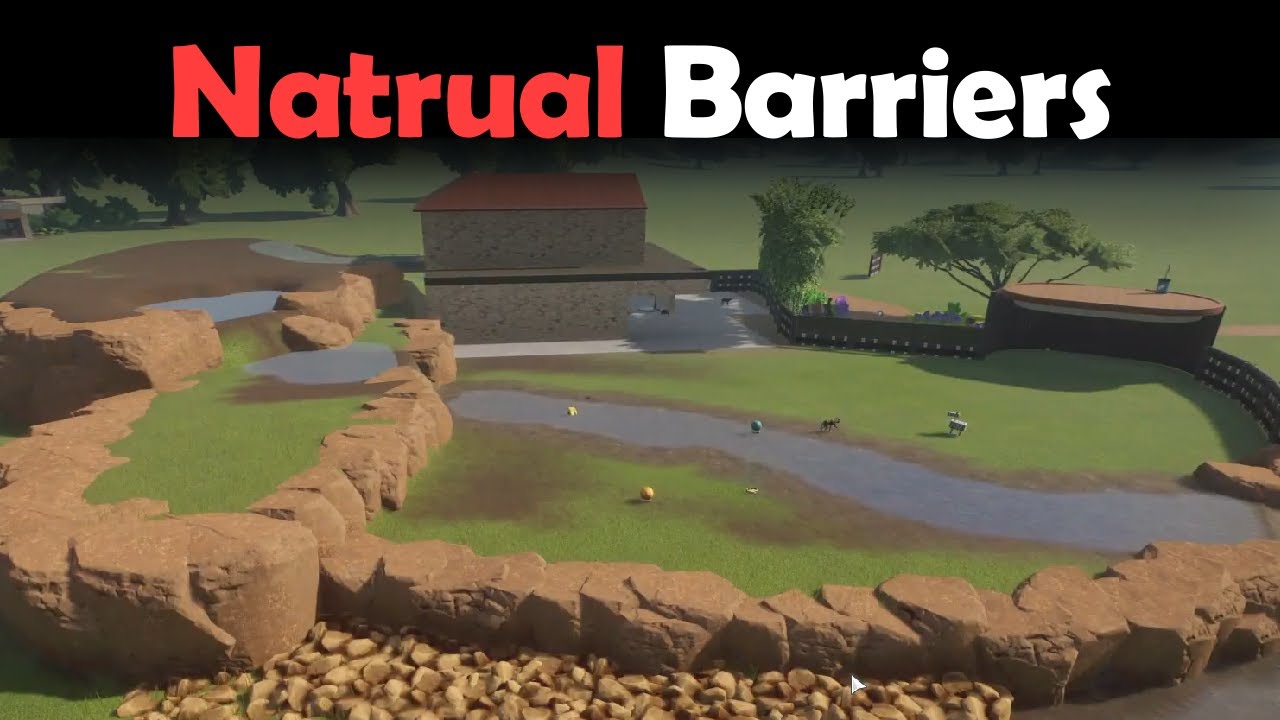
– Elevating habitats not only adds visual interest but also provides natural barriers that improve visitor sightlines. By lowering the habitat floor and raising nearby barriers, players can create effective separation that animals cannot cross, while visitors get a clear view over the top of the barrier, resembling a moat or ditch.
2. Terrain Sculpting with Barriers:
– Players can individually adjust the height of barriers or use height increase icons to sculpt terrain creatively. This allows for customized elevation differences that enhance visibility throughout the zoo, ensuring a practical and aesthetically appealing habitat design.
3. Underwater Viewing and Multi-Level Viewing Platforms:
– For aquatic animals, creating underwater viewing galleries is a fantastic feature. By modifying barriers and the terrain, players can offer guests a unique perspective on marine life. Additionally, constructing raised pathways or multi-level platforms helps to facilitate diverse views over broader, more complex enclosures, further immersing visitors in the experience.
Summary
To optimize habitat design and enhance the visitor experience in Planet Zoo, players should:
– Select barrier types and adjust their heights based on the specific needs of the species, avoiding climbable surfaces to allow for lower, less obstructive fencing.
– Utilize the barrier editor to adeptly raise or lower barriers and terrain, creating elevation variations that improve visibility while ensuring animal security.
– Incorporate null barriers and construction fences at viewing zones to maximize sightlines and encourage a sense of openness in animal enclosures.
– Design underwater viewing areas and elevated visitor pathways to provide immersive and varied viewing angles, fostering a dynamic experience for all guests.
By thoughtfully combining barrier use and terrain elevation, players can craft habitats that are not only secure for the animals but also enchanting and engaging for zoo visitors, striking a balance between naturalistic design and practical safety.


Leave a Reply