
In Pyre, successfully blocking orb passes hinges on mastering the game’s nuanced mechanics related to aura management and jump timing. Employing both strategically can significantly bolster your defensive capabilities.
Understanding Auras
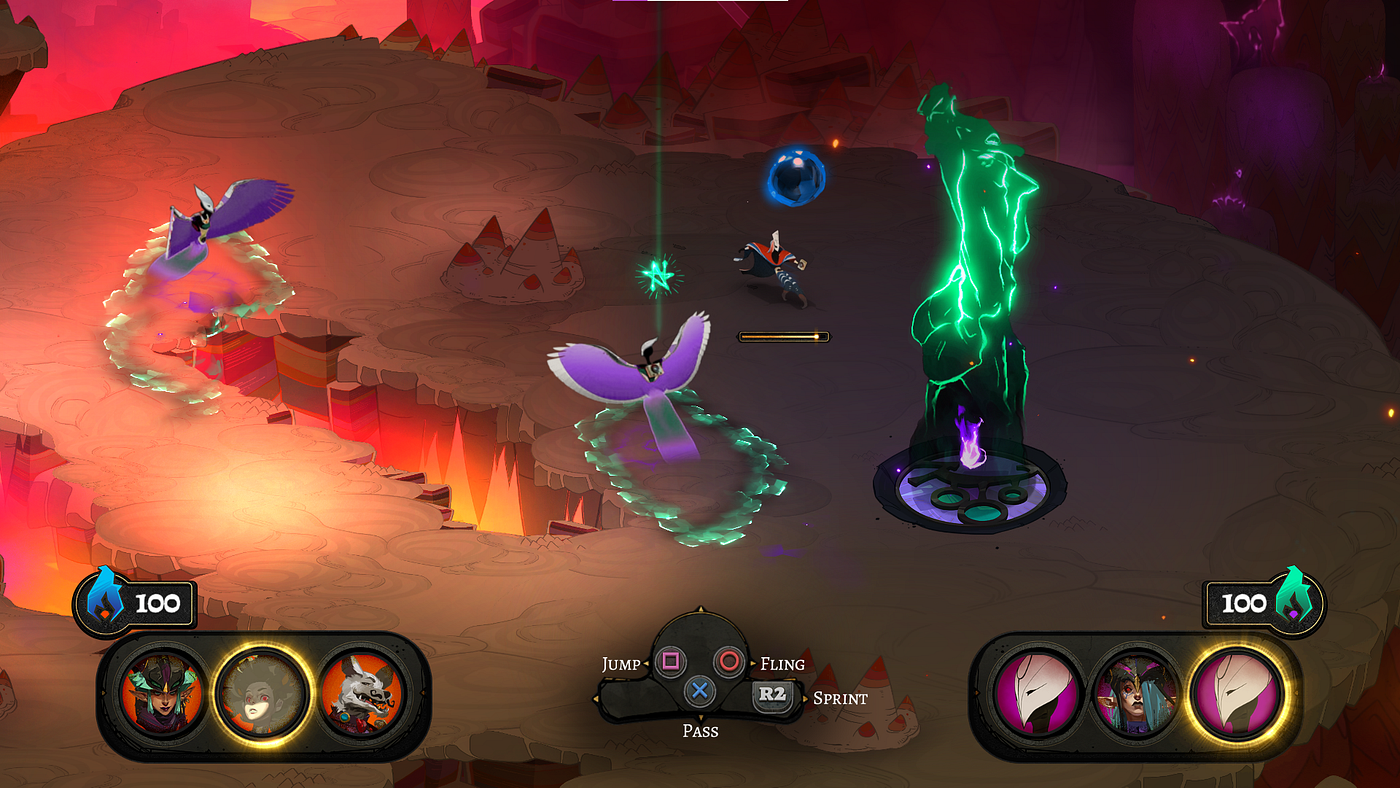
Auras serve a dual purpose: they allow characters to banish opponents and block passes. Characters with extensive auras, such as Jordi and Tizo, are particularly effective in this regard. They can aggressively dash towards enemies, thereby creating barriers that obstruct passing lanes. To maximize effectiveness:
– Position Aggressively: Maintain a presence in key lanes where you anticipate the opponent will attempt passes. Utilize large aura characters to act as both enforcers and deterrents.
– Control the Space: Make it difficult for opponents to approach the orb by positioning your characters where their large auras can threaten would-be pass receivers.
Timing Your Jumps
Defensive jumps are a powerful tool in Pyre. By timing your jumps effectively, you can avoid attacks that may disrupt your positioning, such as enemy dashes from harpies or landing demons:
– Avoid Disruption: When you predict an opponent’s aggressive move, use jumps to sidestep these threats and maintain control over your defensive formation.
– Maintain Aura Coverage: It’s crucial to ensure that your characters remain in a position where their auras can still impact opponents. This prevents openings that could lead to successful passes or orb captures.
Managing Vulnerability After Jumps
However, it’s essential to remember that after a character lands from a jump, their aura temporarily disappears, creating a brief vulnerability:
– Strategic Movement Post-Landing: Use this moment to reposition strategically. Focus on where your opponents may next direct the orb or where they plan their next attack, and be ready to respond.
– Anticipate Opponent Actions: Observe your opponent’s patterns and prepare to exploit the downtime created after they jump and land. Move quickly to either intercept potential passes or banish receiver attempts.
Orb and Pass Dynamics
Understanding how orbs behave post-loss can greatly influence your defensive strategy. The orb generally travels in the opposite direction of the carrier’s movement:
– Positioning for Interceptions: As you anticipate the orb’s trajectory following a failed pass or cut, position your characters accordingly. This allows you to anticipate enemy movements and react swiftly to contest the orb.
– Dynamic Response to Orb Control: When opponents have the orb, remember that they cannot use their auras, limiting their defensive capabilities. Use this to your advantage and time your movements to intercept passes effectively.
Practical Implementation Strategy
Bringing all these concepts together in gameplay involves:
– Active Anticipation: Predict and position in advance of opponents’ orb passes. Engage your large aura characters to cut off passes precisely as they unfold.
– Smart Defensive Jumps: Use jumps not just as evasive maneuvers but also as tactical positioning tools that keep your aura active and threatening.
– Exploit Aura Downtime: After opponents’ jumps, capitalize on their lack of aura to forcefully banish them or block their attempts to move the orb.
By combining effective positioning, smart use of jumps, and keen awareness of aura dynamics, you can build a formidable defense against orb passes in Pyre, thereby elevating your gameplay to outmaneuver and outsmart your opponents.

Leave a Reply