
In the game “Return of the Obra Dinn,” identifying characters by their titles, such as “sir” or “captain,” is integral to solving the mystery of the ship’s fate. This identification process employs a combination of contextual clues, dialogue analysis, and resource cross-referencing, leading to a rich narrative experience. Below is a detailed exploration of the various methods used to match titles to the corresponding individuals.
1. Contextual Association by Location and Role:
Each character’s location on the ship often correlates with their assigned duties and roles. For example, if a character is referred to as “sir” in proximity to the gunner’s store, this suggests a connection to the gunner or his mate. Players might deduce this: if a character is seen distributing firearms in that area, it’s logical to conclude they hold a significant position within the ship’s armament crew. This spatial reasoning helps players to build a mental map of roles based on where characters are found during pivotal moments.
2. Dialogue and Audio Cues:
The game’s reliance on audio and dialogue is crucial. Titles like “sir” and “captain” are not merely formalities but indicators of the social hierarchy and function aboard the ship. Since there are no visual identifiers until confirmed, players must attentively listen to how characters address one another. For instance, a character consistently called “captain” is likely to be the leader of the crew, identified as Robert Witterel in the game. The interactions and modes of address create a layered understanding of relationships and hierarchies among the crew members.
3. Cross-referencing the Manifest and Sketches:
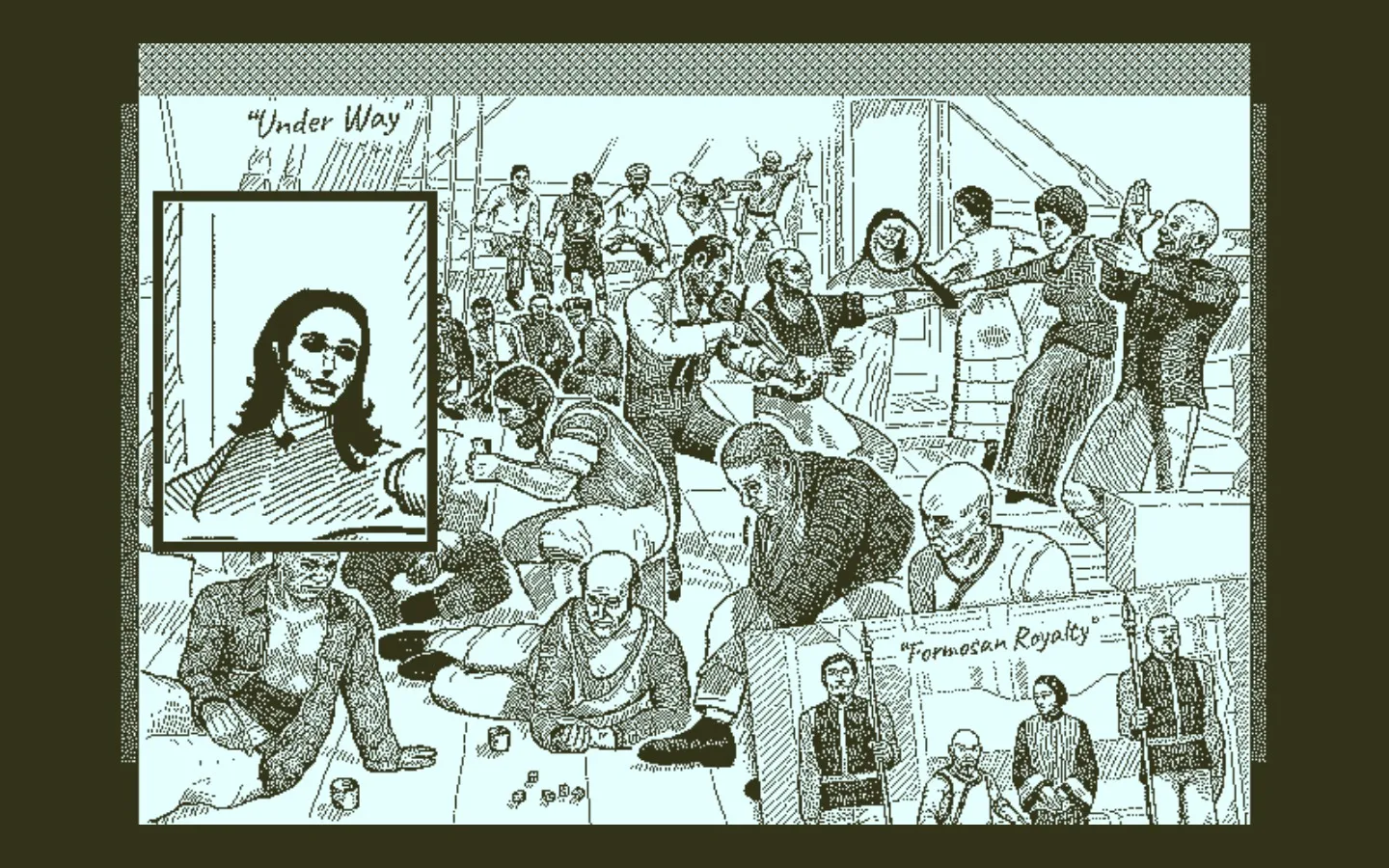
Players are equipped with a ship’s manifest along with sketches of the crew, providing essential references to aid in their deduction. This documentation lists individuals’ names, roles, and sometimes hints about their backgrounds or national origins—such as references to “Formosan Royalty.” By systematically narrowing down candidates based on this information, players can match the titles they hear in the dialogue to the specific names in these records. This method serves as a practical verification tool to ensure deductions align with the game’s established lore.
4. Confirmation System:
The game’s identification system promotes logical reasoning by requiring players to confirm identities in trios—matching names, causes of death, and sometimes identifying actions taken by others. This unique system discourages hasty guesses and instead encourages thoughtful analysis of the evidence gathered. As more identities are confirmed, players gain additional context that can illuminate the roles of unidentified characters, making it easier to fill in the blanks through deduction and process of elimination.
In summary, the process of associating titles such as “sir” and “captain” with their corresponding crew members in “Return of the Obra Dinn” involves a multi-faceted approach. Players leverage contextual clues from the characters’ dialogue and locations, utilize the ship’s documentation for cross-referencing, and engage with a robust confirmation system that rewards meticulous observation and logical deduction. This blend of elements ensures a challenging yet rewarding gameplay experience as players navigate the ship’s complex narrative and unravel the mystery surrounding its doomed voyage.


Leave a Reply