
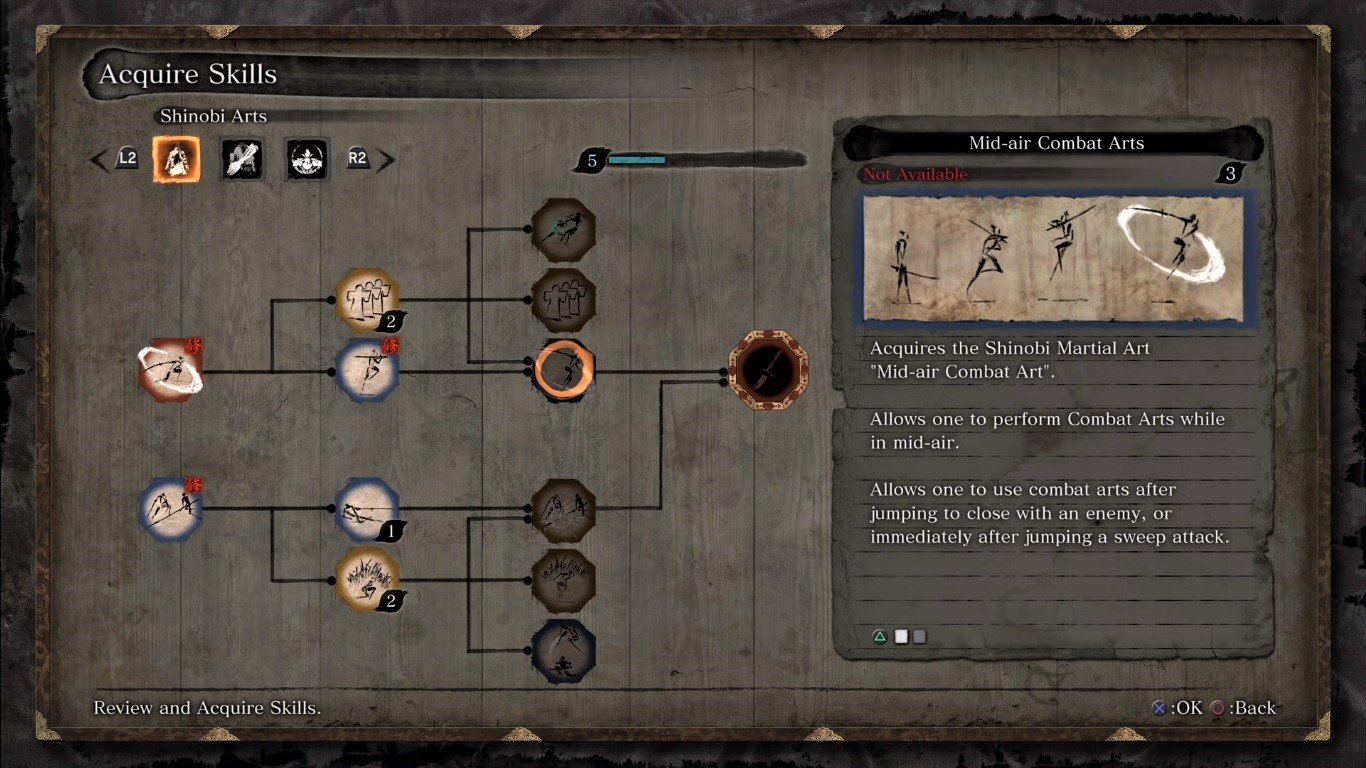
In Sekiro: Shadows Die Twice, Combat Arts are a central component of the game’s intricate combat system, serving as crucial skills that shape a player’s fighting strategy. These arts not only enhance the offensive capabilities of the player but also encourage adaptability to various combat scenarios, thus deepening engagement with the gameplay.
Key Impacts on Fighting Style
1. Versatility in Offensive Techniques:
Combat Arts like Whirlwind Slash showcase a more versatile approach, offering quick, circular attacks ideal for engaging multiple foes simultaneously. This enables players to take on crowds effectively without the need for Spirit Emblems, fostering a style that emphasizes area control and rapid strikes. Conversely, arts such as Ichimonji and its enhanced version, Ichimonji: Double, cater to a more aggressive strategy. These heavy overhead attacks inflict significant posture damage while also granting posture recovery, allowing players to maintain pressure on tougher opponents and break their defenses effectively.
2. Range and Mobility Considerations:
Combat Arts vary in their implications for range and mobility. The Ashina Cross, for instance, enables fast blade draws accompanied by swift double strikes. However, it presents a trade-off since players are vulnerable to attacks during this animation, pushing for a playstyle that emphasizes precise timing and cautious execution. On the other hand, the Nightjar Slash, with its spinning leap, allows for rapid repositioning, blending offense with defensive mobility and encouraging strategic positioning within the battlefield.
3. Synergy with Weapons and Stances:
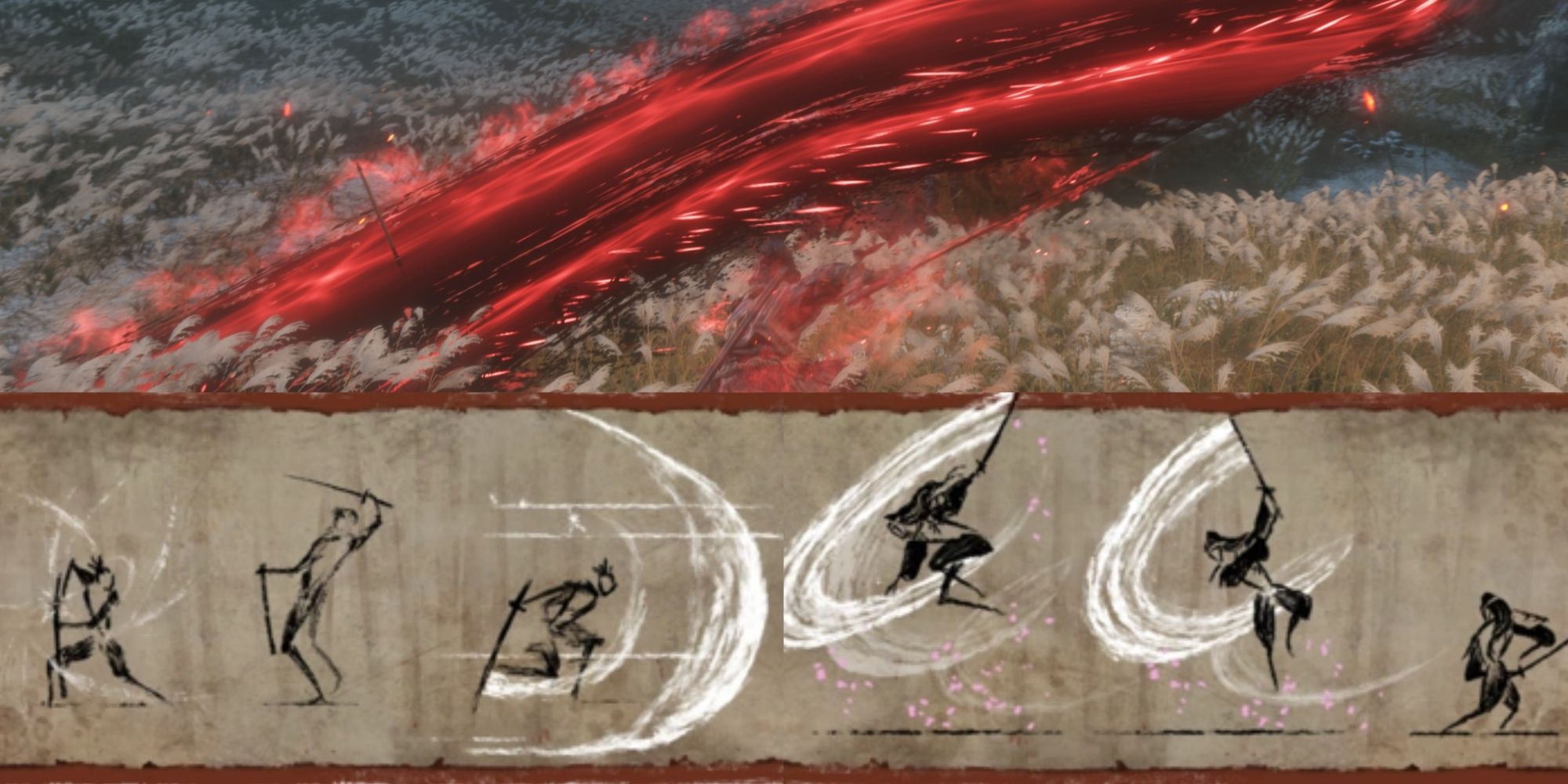
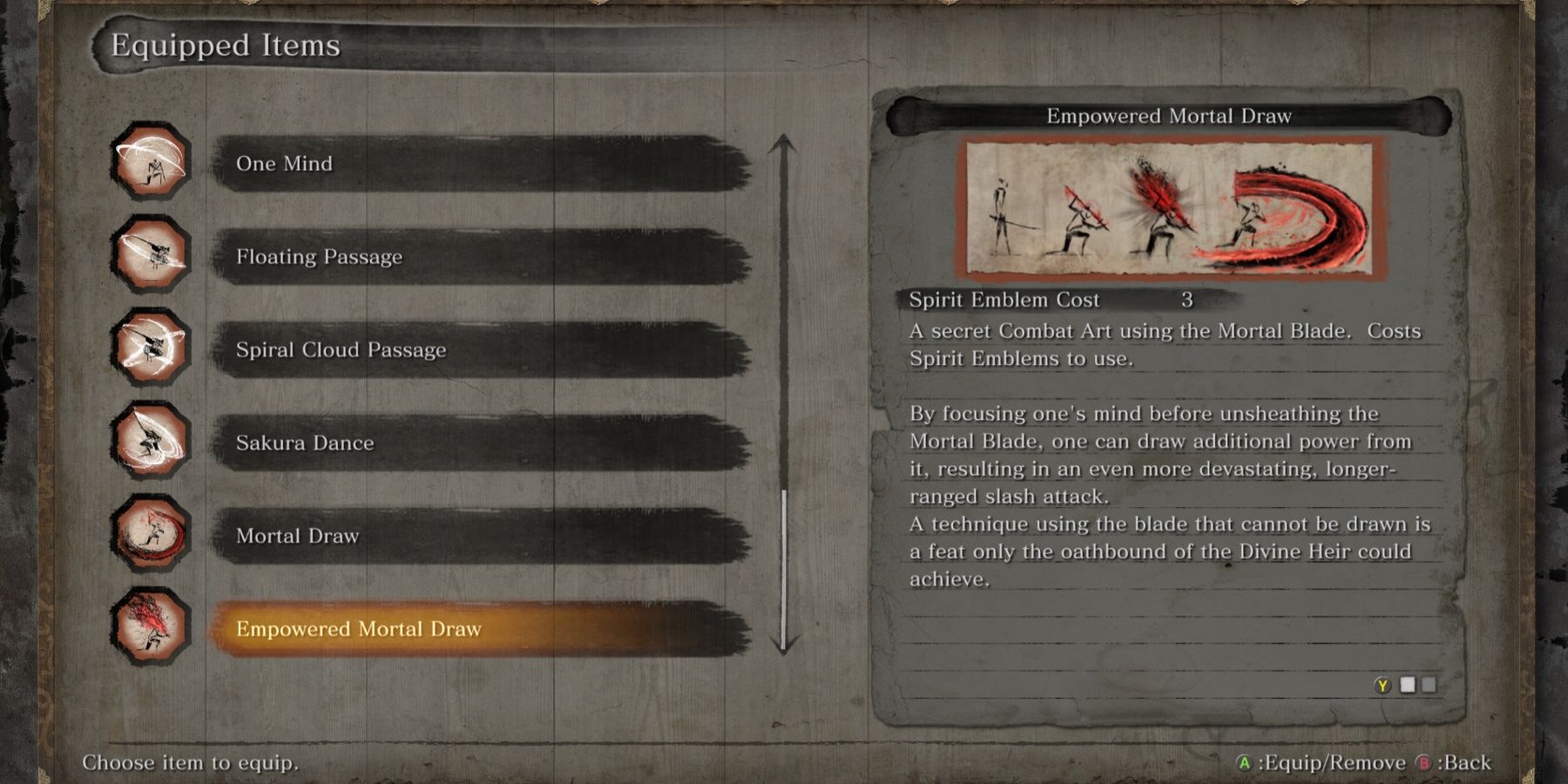
Certain Combat Arts are specifically designed to work with particular weapons or stances, enhancing gameplay through specialized mechanics. The Empowered Mortal Draw amplifies attacks made with the Mortal Blade, extending the reach and damage output significantly, allowing players to engage enemies from a safer distance while maintaining a potent offensive threat.
4. Tactical Variety and Resource Management:
The use of Spirit Emblems introduces a layer of strategic depth to combat. Many Combat Arts require these limited resources, compelling players to balance between the use of standard attacks and more powerful abilities. For instance, while Ashina Cross costs two Spirit Emblems, its ability to deal staggering damage makes it a valuable option in critical moments, despite its inherent limitations. This dynamic encourages players to adopt various strategies—whether to be more conservative in their resource use or to engage aggressively when circumstances are favorable.
5. Special Situational Uses:
Certain Combat Arts come equipped with unique effects, making them valuable tools against specific types of enemies, especially bosses. Spiral Cloud Passage serves as an example, providing significant utility that may turn the tide in difficult encounters. This encourages a more methodical and high-impact approach, where players need to assess each battle’s context and select the appropriate arts for maximum effectiveness.
Conclusion
Combat Arts in Sekiro: Shadows Die Twice significantly enrich the game’s combat mechanics by offering a wide array of offensive capabilities and tactical choices. Whether players choose to engage in crowd control, feint with rapid strikes, execute heavy posture-breaking moves, or carefully maneuver around foes, these Combat Arts ultimately empower players to personalize their fighting styles. The complexity introduced by these various techniques not only enhances the combat experience but also encourages exploration and mastery of the diverse combat system that Sekiro has to offer.

Leave a Reply